
Have you ever wondered how a smart mirror knows more than just your reflection? Imagine a mirror that not only shows your face but also gives you the weather, your schedule, or even health tips—all while you get ready.
Sounds like magic, right? But it’s all thanks to some clever technology working quietly behind the glass. If you want to discover exactly how a smart mirror works and how it can make your daily routine smarter and easier, keep reading.
This article will break it down step by step, so you’ll understand the secrets behind this futuristic gadget.
Credit: www.retailinfuture.com
Smart Mirror Basics
Smart mirrors blend technology with everyday use. They show information on a reflective surface. This allows users to see both their reflection and digital data. The basics of smart mirrors involve hardware and software working together. Understanding these basics helps appreciate their growing popularity.
Core Components
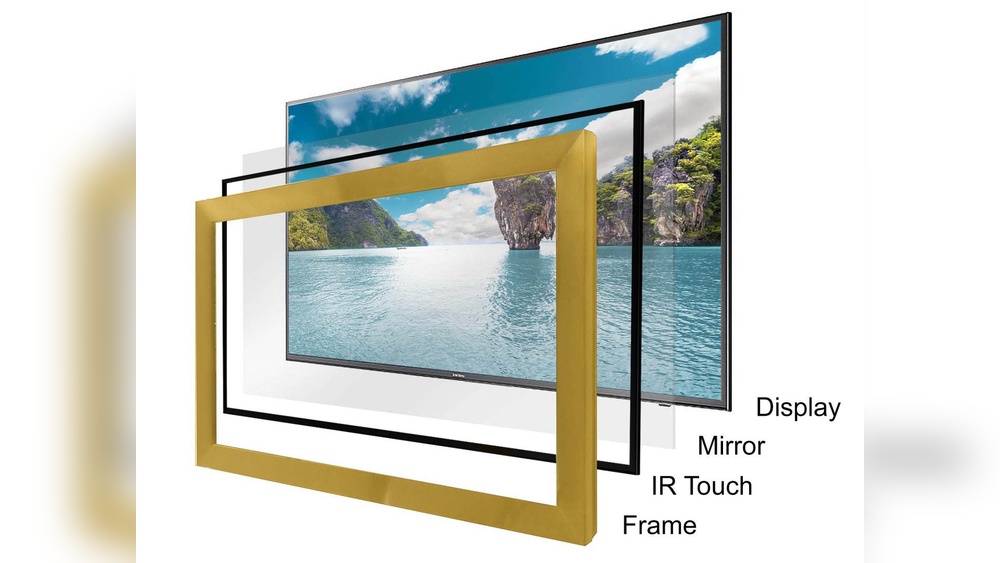
A smart mirror has several key parts. A two-way mirror lets light pass through from a screen behind it. This screen displays images and text clearly. A computer or microcontroller runs the software. Sensors detect motion or touch to interact with the user. Wi-Fi or Bluetooth connects the mirror to other devices. These parts work together to deliver useful information.
Types Of Smart Mirrors
Smart mirrors come in various types. Some focus on fitness, showing workout stats and goals. Others display weather, news, and calendar events. A few include voice control for hands-free use. Some mirrors offer makeup tutorials with lighting adjustments. Each type suits different needs and spaces. Choosing the right one depends on personal preferences and use cases.

Credit: premioinc.com
Technology Behind Smart Mirrors
Smart mirrors combine simple mirror surfaces with advanced technology. This blend creates a new way to see information instantly. The technology behind smart mirrors includes several key parts. Each plays a role to make the mirror interactive and smart.
Display And Reflective Surfaces
Smart mirrors use a special glass that reflects like a normal mirror. Behind this glass, there is a digital display. This display shows information such as time, weather, or news. The glass lets light from the display pass through. At the same time, it reflects the user’s image clearly. This dual function is what makes the mirror smart and useful.
Sensors And Cameras
Sensors detect the presence of a person in front of the mirror. They can also measure temperature or humidity. Cameras capture images or videos for features like facial recognition. These sensors and cameras help the mirror respond to users. They enable touch-free control and personalized information display.
Connectivity Options
Smart mirrors connect to the internet through Wi-Fi or Bluetooth. This connection allows real-time updates for apps and information. It also lets users sync their phones or other devices. Connectivity ensures the mirror stays current with news, weather, and calendar events. It also supports voice commands and smart home integration.
Features And Functionalities
Smart mirrors combine technology with everyday use. They show useful information while acting as a normal mirror. Their features make daily routines easier and more interactive.
These mirrors come with many smart functions. They help with tasks, keep you updated, and track your health. Here are some key features that stand out.
Voice Control Integration
Smart mirrors respond to voice commands. You can ask for weather updates or news. This hands-free control saves time and effort. It works with popular voice assistants. Commands are simple and clear. This feature adds convenience to your morning routine.
Personalized Data Display
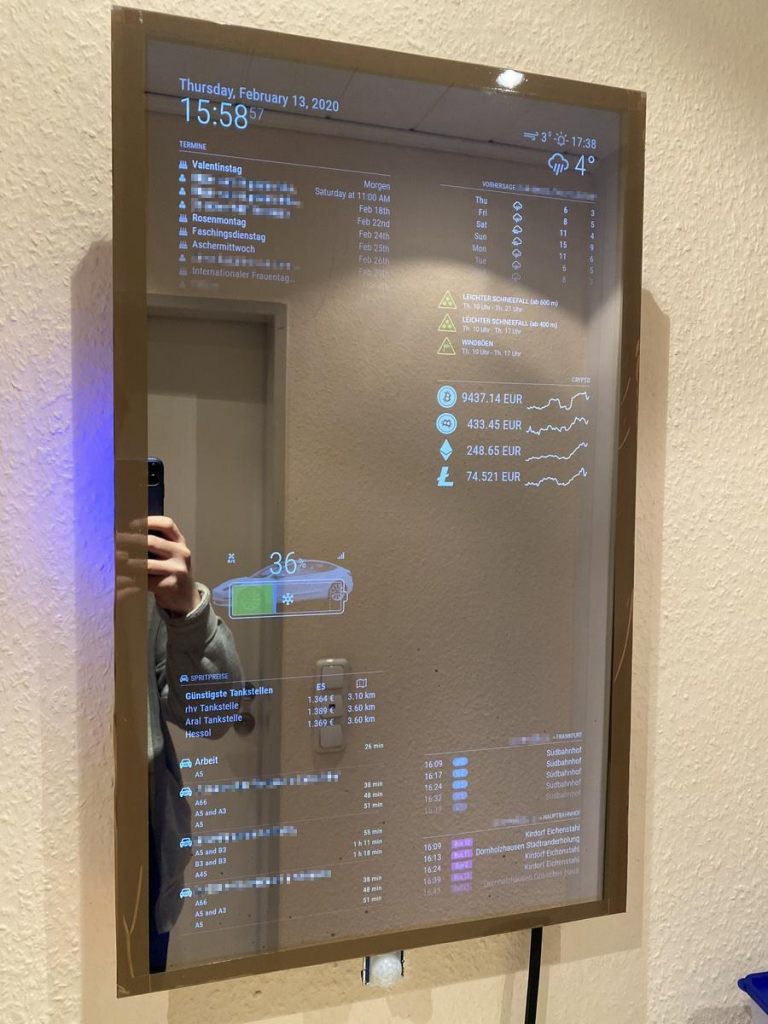
The mirror shows information made just for you. It can display time, calendar events, and reminders. Weather forecasts and traffic updates are common too. Users can choose what data appears. This keeps the display useful and relevant every day.
Health And Fitness Tracking
Smart mirrors track health stats like weight and heart rate. Some models include exercise guides and posture checks. They help monitor daily activity and progress. This makes staying healthy easier and more fun. You get real-time feedback during workouts.

Credit: smartbuilds.io
Applications In Daily Life
Smart mirrors are becoming common in many parts of daily life. They use sensors, cameras, and displays to show useful information. These mirrors go beyond just reflecting your image. They help with tasks, give updates, and offer interactive features.
Their practical uses reach into homes, stores, and hospitals. Each place uses smart mirrors in ways that fit its needs. This technology makes everyday activities easier and more efficient.
Home Use
Smart mirrors in homes act like personal assistants. They display weather, news, and calendars right on the glass. People use them to check their appearance while getting information. Some mirrors offer fitness coaching and track health data. This helps users stay on track with daily goals.
Retail And Fashion
In stores, smart mirrors help customers try clothes virtually. They show how outfits look without changing physically. This saves time and improves shopping experience. Retailers use them to suggest styles based on customer preferences. They also reduce the need for fitting rooms.
Healthcare Settings
Hospitals use smart mirrors for patient monitoring and care. They display vital signs and medical reminders clearly. Patients can follow exercise routines shown on the mirror. Doctors and nurses use them to improve communication with patients. These mirrors support better health management and recovery.
Benefits And Challenges
Smart mirrors offer many benefits but also face some challenges. They blend technology with daily routines. This mix brings convenience and new issues. Understanding both sides helps users decide if smart mirrors fit their needs.
User Convenience
Smart mirrors show useful info like weather and news. They save time by combining a mirror and a screen. Users can check schedules or control smart home devices easily. Some mirrors have voice commands for hands-free use. This makes morning routines faster and smoother.
Privacy Concerns
Smart mirrors collect personal data like voice and images. This raises worries about who can see or use this data. Some devices send information to cloud servers. Users must check privacy policies carefully. Protecting personal info is key for safe use.
Technical Limitations
Smart mirrors depend on stable internet connection. Poor Wi-Fi can cause delays or failures. Some mirrors may have limited app choices or slow response. Screen brightness can affect mirror quality. Regular updates are needed to fix bugs and improve features.
Future Trends
The future of smart mirrors holds many exciting possibilities. These devices will become smarter and more helpful in daily life. New technology will make interactions easier and more personal. The ways people use smart mirrors will also grow.
Ai And Machine Learning
Smart mirrors will use AI to understand users better. They will learn habits and preferences over time. This helps the mirror offer useful suggestions. For example, it might recommend outfits or skincare tips. AI will make the mirror more than just a display.
Enhanced Interactivity
Future smart mirrors will respond to voice and touch with more accuracy. They will recognize faces and emotions. This allows the mirror to adjust settings automatically. Users can get real-time feedback during workouts or makeup routines. Interactions will feel natural and smooth.
Wider Adoption Potential
Smart mirrors will become common in homes, gyms, and stores. Prices will drop, making them affordable for many people. Businesses will use them for personalized customer service. Schools and hospitals might also find new uses. The smart mirror will be part of everyday life soon.
Frequently Asked Questions
How Does A Smart Mirror Display Information?
A smart mirror uses a two-way glass with a digital display behind it. The display shows data like weather, news, or notifications. The reflective surface allows you to see yourself while viewing the digital content clearly.
What Technology Powers Smart Mirrors?
Smart mirrors are powered by embedded sensors, microprocessors, and display screens. They use Wi-Fi or Bluetooth to connect with smartphones and other smart devices. This technology enables real-time updates and interactive features.
Can Smart Mirrors Recognize Users?
Yes, many smart mirrors use facial recognition or voice commands. This helps personalize the displayed information for each user. It improves convenience by showing relevant data like calendar events or fitness stats.
How Do Smart Mirrors Connect To Other Devices?
Smart mirrors connect via Wi-Fi or Bluetooth protocols. This allows syncing with smartphones, smart home systems, or fitness trackers. The connection enables seamless data sharing and control from one central mirror interface.
Conclusion
Smart mirrors blend technology and everyday use smoothly. They use sensors and displays to show information clearly. You can see news, weather, or your calendar while getting ready. The mirror connects to the internet and other devices easily. This helps save time and keeps you informed.
Smart mirrors are becoming common in many homes now. They make daily routines simpler and more fun. Understanding how they work helps you appreciate their value. Think of smart mirrors as helpful tools in your day.