
You rely on your smoke detector to keep you safe every day. But have you ever wondered how long the 9V battery inside actually lasts?
Knowing this can make all the difference between peace of mind and unexpected danger. You’ll discover exactly how long your 9V batteries last in smoke detectors and learn simple tips to ensure your home stays protected. Keep reading—your safety depends on it.
Battery Life Expectations
Understanding how long a 9V battery lasts in a smoke detector helps you keep your home safe. Knowing the battery life expectations ensures you change batteries on time. This keeps the smoke detector working properly and alerts you in case of fire.
Typical Duration Of 9v Batteries
Most 9V batteries last about six months to one year in smoke detectors. Some high-quality batteries can last up to two years. The exact time depends on the battery type and usage. Regular smoke detectors use less power, so batteries last longer. Always check the battery label for estimated life span.
Factors Affecting Battery Life
Temperature changes can reduce battery life. Cold or hot places drain batteries faster. Smoke detectors with loud alarms use more power, lowering battery life. Frequent testing or false alarms also use more battery. Batteries stored a long time before use may have less power. Using cheap or old batteries can cause early failure.
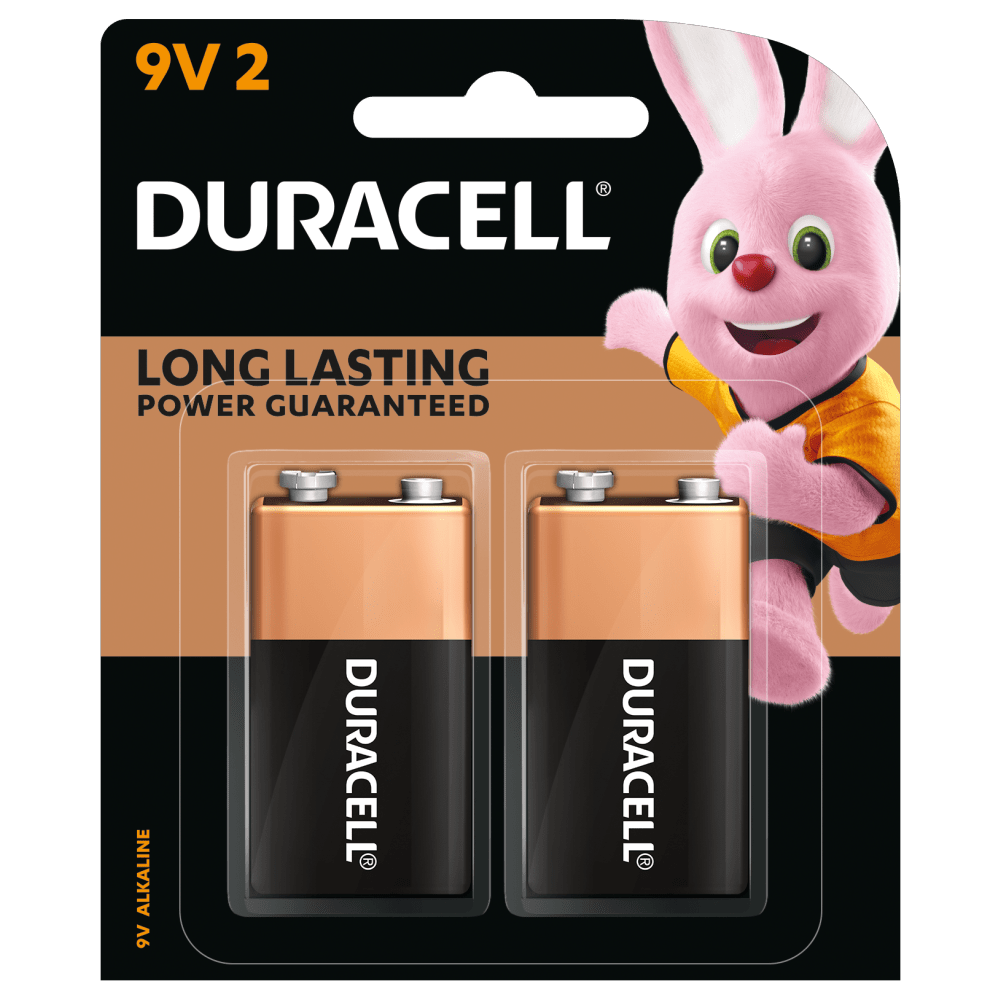
Credit: www.duracell-me.com
Battery Types And Performance
Choosing the right battery affects how long your smoke detector works. Different types of 9V batteries offer varied performance. Understanding these types helps you pick the best one for safety and cost.
Battery life depends on the chemistry inside and how much power it can store. Some last longer but cost more. Others are cheaper but need frequent changes. Knowing these differences helps you maintain your smoke detector effectively.
Alkaline Vs Lithium 9v Batteries
Alkaline 9V batteries are the most common choice for smoke detectors. They are affordable and easy to find. These batteries usually last about 6 to 12 months in a smoke detector.
Lithium 9V batteries last much longer than alkaline ones. They can power a smoke detector for up to 10 years. Lithium batteries cost more but reduce the need for frequent replacement. They also work better in extreme temperatures.
Rechargeable Options
Rechargeable 9V batteries offer an eco-friendly alternative. You can recharge them many times, saving money over time. They often last 3 to 5 years if cared for properly.
These batteries need a special charger and regular recharging. Their capacity may be lower than alkaline or lithium. Still, they work well if you check them regularly and keep them charged.
Smoke Detector Power Usage
Smoke detectors rely on batteries to stay alert and protect your home. The power usage of these devices is very low. This helps the batteries last for a long time. Understanding how smoke detectors use power can help you know how often to change the batteries.
Each smoke detector has a small sensor and a loud alarm. Both need power to work. The sensor is always on, watching for smoke. The alarm only uses power when it sounds. This balance keeps battery use low while keeping you safe.
How Smoke Detectors Consume Power
Smoke detectors use a tiny amount of electricity to run the sensor. The sensor checks the air constantly. This steady use is called standby power. It uses very little energy but keeps the detector ready to alert.
When smoke is detected, the alarm starts. The alarm uses much more power than the sensor. This alarm usually runs for a few minutes during a test or alert. This short burst uses more battery energy but happens rarely.
Some detectors have lights that blink to show they work. These lights also consume a small amount of power. The overall power use depends mostly on the sensor and alarm activity.
Impact Of Features On Battery Drain
Extra features in smoke detectors can increase battery use. For example, a voice alarm uses more power than a beep. Some models connect to Wi-Fi or smart home systems. These features need constant power, draining the battery faster.
Photoelectric sensors can use more power than ionization types. Detectors with combined sensors might drain batteries quicker. Battery life shortens with frequent testing or false alarms too.
Choosing simple models with fewer features often means longer battery life. It is important to balance safety features with battery needs.

Credit: www.youtube.com
Signs Of Battery Wear
Batteries in smoke detectors do not last forever. Over time, they lose power and need replacement. Recognizing signs of battery wear helps keep your home safe. Early detection prevents smoke detectors from failing when you need them most.
Low Battery Alerts
Most smoke detectors give a warning when batteries run low. A common alert is a short beep or chirp every minute. This sound means the battery cannot power the device fully. Ignoring these alerts can leave your home unprotected. Replace the battery as soon as you hear the warning sound.
Performance Issues Linked To Battery Life
Weak batteries can cause smoke detectors to work poorly. The alarm may sound late or not at all. Some detectors might reset or stop functioning entirely. Testing your smoke detector regularly helps find these problems early. Always use fresh 9V batteries for best performance.
Extending Battery Life
Extending the life of 9V batteries in smoke detectors saves money and ensures safety. Proper care helps batteries last longer and keeps alarms working well. Small steps can make a big difference in battery performance.
Simple habits can prevent early battery drain. This keeps your home protected without frequent battery changes.
Proper Installation Tips
Always insert the battery with the correct polarity. The positive and negative ends must match the smoke detector’s markings. A loose battery connection can cause the alarm to beep or fail. Press the battery firmly into place for a secure fit.
Use fresh, high-quality 9V batteries. Cheap or old batteries lose power faster. Avoid mixing old and new batteries in one detector. Replace all batteries at the same time to keep power steady.
Maintenance Practices
Test your smoke detector monthly. Press the test button to check if it sounds. Clean the detector regularly using a soft brush or vacuum. Dust and debris block sensors and drain battery power.
Replace batteries at least once a year, even if the alarm works well. Keep spare batteries nearby for quick replacement. Remove batteries if the detector will not be used for a long time. This prevents battery leakage and damage.
Battery Replacement Guidelines
Battery replacement is key to keeping smoke detectors working well. Old batteries can fail without warning. This puts your home safety at risk. Knowing when and how to replace batteries helps avoid problems.
Regular checks and timely changes keep your smoke detector ready. It also prevents false alarms caused by weak batteries. Follow clear guidelines to protect your home and family.
Recommended Replacement Intervals
Change 9V batteries in smoke detectors at least once a year. Many experts suggest replacing batteries every 6 to 12 months. Some detectors beep when batteries run low. Do not ignore these sounds. Test your smoke detector monthly to check its function. Replace batteries immediately if the alarm sounds weak or chirps.
Safe Disposal Of Old Batteries
Do not throw old 9V batteries in the trash. They contain harmful chemicals that can pollute the environment. Take used batteries to a local recycling center. Many stores offer battery recycling programs. Store old batteries in a plastic bag before disposal. This prevents accidental fires from battery contact. Proper disposal helps keep the planet safe and clean.
Common Myths About 9v Batteries
Many people believe certain things about 9V batteries in smoke detectors that are not true. These myths can cause confusion and lead to improper battery use. Understanding the facts helps keep smoke detectors working well and ensures safety.
Battery Life Misconceptions
One common myth is that 9V batteries last only a few months in smoke detectors. Actually, most 9V batteries can last up to a year or longer in these devices. Another false idea is that expensive batteries always work better. In reality, many affordable brands perform just as well as premium ones. Some think removing the battery during storms saves power. This practice can disable the alarm, risking safety.
Best Practices Clarified
Change your 9V battery at least once a year to keep your smoke detector ready. Test your detector monthly to make sure it works. Store extra batteries in a cool, dry place to keep them fresh. Avoid mixing old and new batteries together in the same device. Follow these simple steps for longer battery life and better protection.

Credit: annarborwithkids.com
Frequently Asked Questions
How Long Does A 9v Battery Last In Smoke Detectors?
A 9V battery typically lasts 6 to 12 months in smoke detectors. Usage and alarm frequency affect battery life. Regular testing ensures reliable performance.
When Should I Replace The 9v Battery In Smoke Detectors?
Replace the 9V battery annually or when the low-battery alert sounds. Timely replacement keeps your smoke detector functional and safe.
Can Expired 9v Batteries Affect Smoke Detector Performance?
Yes, expired batteries can cause weak alarms or failure. Always use fresh batteries for optimal smoke detector performance.
Are Rechargeable 9v Batteries Suitable For Smoke Detectors?
Rechargeable 9V batteries are not recommended due to lower voltage and discharge rates. Use standard alkaline 9V batteries for best results.
Conclusion
9V batteries in smoke detectors usually last about one year. Regular checks help keep your home safe. Replace batteries as soon as you hear the low battery beep. Using fresh batteries ensures your smoke detector works well. Don’t wait until the battery dies completely.
A working smoke detector can save lives. Stay safe by changing batteries on time. Simple steps protect your family every day. Keep your smoke detector ready, always.