
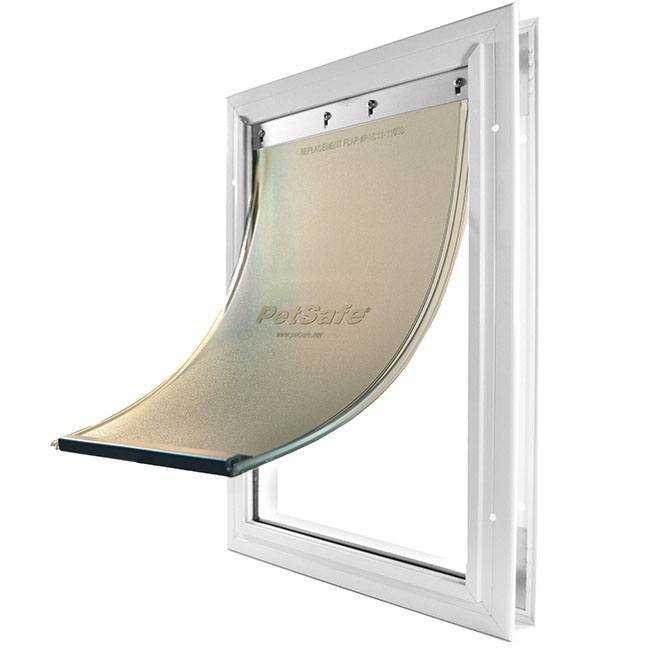
If you have a PetSafe Freedom pet door, you know how convenient it is for your furry friend to come and go as they please. But what about keeping the cold air, drafts, and unwanted noise out of your home?
Insulating your pet door is the key to maintaining comfort and saving energy. You’ll discover simple, effective ways to insulate your PetSafe Freedom door so your pet stays happy and your home stays cozy. Keep reading to learn easy steps that anyone can follow—your home and your pet will thank you!
Benefits Of Insulating Pet Doors
Insulating a pet door like the Freedom Petsafe offers many benefits. It helps keep your home comfortable and lowers energy costs. Proper insulation creates a barrier that blocks outside air. This keeps your indoor space warmer in winter and cooler in summer. It also protects your pet from harsh weather conditions while using the door. Simple steps to insulate can make a big difference in your home’s environment and your pet’s comfort.
Reducing Energy Loss
Pet doors can let warm or cool air escape. This causes your heating or cooling system to work harder. Insulation stops air leaks around the pet door. It saves energy by keeping the air inside your home. Less energy use means lower utility bills. You get a cozy home without wasting power.
Maintaining Indoor Temperature
Insulated pet doors help keep a steady indoor temperature. They block drafts that make rooms cold or hot. This keeps your living spaces more comfortable. Your heating and cooling systems run less often. That also extends the life of your HVAC equipment. A steady temperature means a better home environment for everyone.
Protecting Pets From Weather
Pets feel cold or hot air just like humans. Insulated pet doors shield your pet from rain, wind, and snow. The barrier helps keep your pet warm in winter. It also prevents hot air from rushing in during summer. Your pet can use the door safely and comfortably year-round.
Choosing The Right Insulation Materials
Choosing the right insulation materials for your Pet Door Freedom Petsafe is key to keeping your home comfortable. Good insulation stops cold air from entering and warm air from escaping. This helps save energy and keeps your pet cozy. Different materials work well with pet doors, depending on your needs and local weather.
Weatherstripping Options
Weatherstripping is a simple way to seal gaps around the pet door. It uses strips of rubber, foam, or vinyl that stick around the edges. These strips block drafts and reduce noise. Weatherstripping is easy to install and replace. It is also affordable and comes in various thicknesses for better sealing.
Foam Sealants And Panels
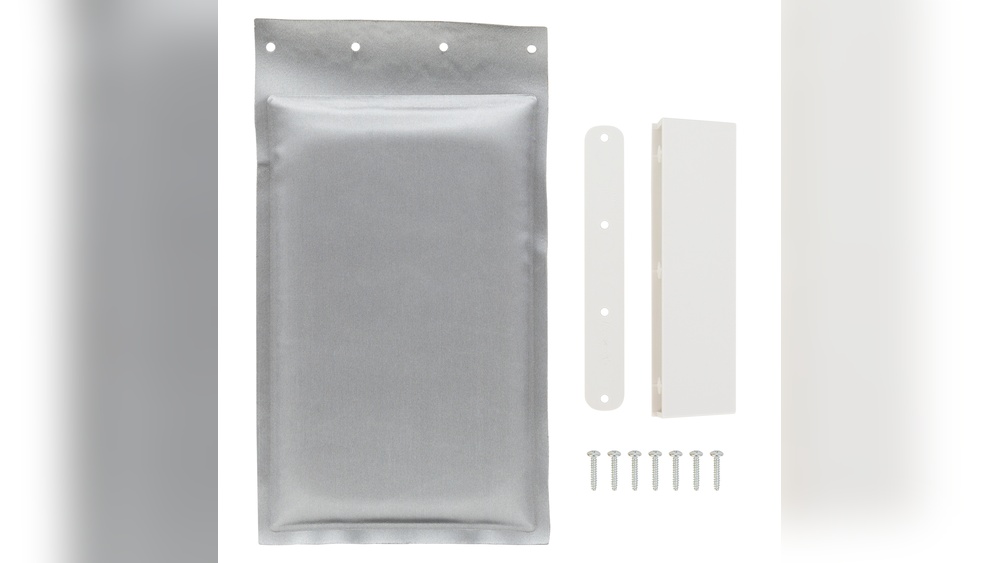
Foam sealants fill larger gaps and cracks near the pet door frame. They expand to cover spaces and create a strong barrier. Foam panels can cover the door when not in use. These panels add extra insulation and keep cold air out. Foam materials are lightweight and easy to handle for most pet owners.
Magnetic Flaps And Covers
Magnetic flaps attach to your pet door to create a tight seal. They close quickly after your pet passes through. These flaps block wind, rain, and insects. Magnetic covers can be removed or adjusted easily. They offer flexible protection and help maintain indoor temperature.
Step-by-step Insulation Process
Insulating your Freedom Petsafe pet door helps keep your home warm and saves energy. The process is simple and takes only a few steps. Follow this guide carefully to make sure your pet door is properly sealed against drafts and cold air.
Measuring The Pet Door
Start by measuring the pet door’s frame. Use a tape measure to get the height and width. Measure from the outer edges for accuracy. Note these numbers down. Accurate measurements ensure a perfect fit for insulation materials.
Cleaning And Preparing The Area
Clean around the pet door frame with a cloth. Remove dirt, dust, and old adhesive. A clean surface helps new materials stick better. Make sure the area is dry before moving on. This step prevents gaps and improves insulation.
Applying Weatherstripping
Choose weatherstripping that fits your pet door size. Cut strips to match the frame measurements. Press the weatherstripping firmly along the edges. This seals gaps where cold air can enter. Weatherstripping reduces drafts and noise.
Installing Foam Or Magnetic Covers
Select a foam or magnetic cover designed for pet doors. Cut the cover to fit the door size if needed. Attach the cover following the product instructions. Foam covers block cold air and keep warmth inside. Magnetic covers allow easy pet access while sealing tightly.

Credit: support.petsafe.net
Energy-saving Tips For Pet Door Use
Using a pet door like the Freedom Petsafe adds comfort for your pet. It also can affect your home’s energy use. Saving energy is simple with the right steps. These tips help keep your house warm in winter and cool in summer. Small actions make a big difference in energy bills.
Closing Door When Not In Use
Close the pet door flap when your pet is inside. This stops cold or hot air from entering your home. Some pet doors have locks or covers for this purpose. Using these features helps keep your home’s temperature steady. It also reduces heating and cooling costs.
Using Door Covers During Extreme Weather
Cover the pet door during very cold or hot days. A simple insulated cover blocks drafts and heat loss. You can buy covers made for pet doors or make your own. Placing a cover outside prevents strong winds from entering. This extra layer keeps your home more comfortable and energy-efficient.
Regular Maintenance And Inspection
Check your pet door often for damage or wear. Look for cracks, tears, or loose parts that let air through. Clean the flap to ensure it closes properly every time. Fixing small problems early keeps the door working well. A well-maintained pet door saves energy and lasts longer.
Common Mistakes To Avoid
Insulating a Pet Door Freedom Petsafe is a smart way to keep your home comfortable. Many make mistakes that reduce the insulation’s effectiveness. Avoiding these errors saves time and energy.
Ignoring Gaps And Cracks
Small gaps let cold air enter easily. Overlooking cracks around the pet door wastes insulation efforts. Check all edges carefully. Seal every gap with weatherstripping or caulk. This step improves the door’s energy efficiency.
Using Incompatible Materials
Not all materials work well with pet doors. Some insulation types block the door’s movement. Others degrade quickly in outdoor conditions. Choose materials made for pet doors and outdoor use. This choice ensures durability and proper function.
Neglecting Pet Comfort
Pets need easy access through the door. Thick insulation can make the flap hard to open. Avoid heavy materials that restrict movement. Use soft, flexible insulation that pets can push through easily. This keeps your pet happy and safe.

Credit: kafaatsa.com
Enhancing Pet Door Efficiency
Enhancing the efficiency of your Freedom Petsafe pet door helps keep your home comfortable. It also saves energy by reducing drafts and heat loss. Small upgrades and smart additions make a big difference in how well your pet door works.
These improvements protect your home from cold air in winter and hot air in summer. Your pet stays happy and safe with better door insulation.
Upgrading To Insulated Models
Switching to an insulated pet door model reduces heat loss significantly. These doors have thicker panels and weatherproof seals. They block cold air from entering your home. Insulated models also help keep warm air inside. This upgrade offers better protection against wind and rain. It is a simple way to improve door efficiency without major changes.
Adding Draft Stoppers
Draft stoppers are easy to install and very effective. They fit around the pet door edges to block air leaks. These stoppers use soft materials that seal gaps tightly. They reduce noise and prevent dust from coming in. Draft stoppers are affordable and work well with existing doors. Use them to stop drafts and save on heating costs.
Incorporating Smart Door Features
Smart pet doors add control and efficiency to your setup. They open only when your pet is near, using sensors or collars. This stops unwanted air flow and keeps pets safe. Some models have timers or remote controls. These features help you manage door use throughout the day. Smart doors combine convenience with better insulation for your home.
Credit: www.petdoors.com
Frequently Asked Questions
How Do I Insulate A Pet Door Freedom Petsafe?
To insulate, use foam weatherstripping around the frame. Add a draft stopper or insulated flap to minimize heat loss. Regularly check seals for wear and replace if needed. These steps improve energy efficiency and keep your home cozy.
What Materials Work Best For Insulating Pet Doors?
Foam weatherstripping, insulated vinyl flaps, and draft stoppers work well. These materials block drafts effectively and are durable. Choose weather-resistant options for outdoor exposure to ensure long-lasting insulation. Proper materials maintain comfort and save energy.
Can I Install Insulation Without Damaging The Pet Door?
Yes, apply adhesive foam strips carefully around edges. Avoid drilling or altering the door structure. Use removable insulation accessories like magnetic flaps for easy installation. This approach protects the door and maintains its functionality while improving insulation.
How Often Should I Check Pet Door Insulation?
Inspect insulation every 3 to 6 months, especially before winter. Look for cracks, gaps, or worn materials that reduce effectiveness. Timely maintenance ensures optimal insulation and energy savings. Replace or repair parts as needed to maintain performance.
Conclusion
Insulating your Freedom Petsafe pet door keeps your home warm and saves energy. Simple steps like adding weatherstripping and using insulated panels work well. These small changes stop drafts and protect against cold air. Your pets stay comfortable all year long.
Maintaining the door’s seal helps prevent heat loss. Taking time to insulate makes a big difference in comfort and bills. Enjoy peace of mind knowing your pet door works efficiently. A little effort goes a long way for a cozy home.