
Have you ever been startled by a smoke detector going off at the worst possible moment? Whether you’re dealing with false alarms during cooking or need to temporarily silence your detector for maintenance, knowing how to disable smoke detectors safely is crucial.
But before you take any action, it’s important to understand the right steps to avoid risks and keep your home secure. You’ll discover simple, clear instructions to disable your smoke detector when necessary—and when you should never do it. Keep reading to protect your safety while managing those annoying alarms effectively.

Credit: waynealarm.com
Reasons To Disable Smoke Detectors
Smoke detectors are vital for home safety. Still, there are times you might need to disable them temporarily. Knowing the right reasons helps keep safety a priority while managing your space.
Temporary Maintenance Needs
Sometimes smoke detectors need cleaning or battery changes. Disabling them briefly stops annoying alarms during this work. It prevents false alarms while you maintain the device properly.
Avoiding False Alarms
Cooking smoke or steam often triggers false alarms. Turning off detectors near kitchens or bathrooms can avoid constant noise. This action helps reduce stress and unnecessary interruptions.
During Renovations Or Repairs
Renovation dust and fumes can set off alarms. Disabling smoke detectors during such work prevents frequent alerts. It allows workers to focus without disturbing the household.
Credit: www.netatmo.com
Safety Precautions Before Disabling
Disabling a smoke detector requires careful thought. Safety is the top priority. Smoke detectors save lives by alerting you to fire early. Taking steps before turning off the device helps prevent risks. Follow simple safety precautions to protect everyone in your home.
Informing Household Members
Tell everyone in your home about your plan. Make sure all know the smoke detector will be off. This helps avoid panic if the alarm does not sound. Clear communication keeps everyone alert and prepared.
Ensuring Alternative Safety Measures
Have another way to stay safe during the time the detector is off. Use a fire extinguisher or keep windows open for escape. Check that other alarms in the house still work. Safety tools must be ready and easy to reach.
Checking Local Regulations
Look up rules about disabling smoke detectors in your area. Some places have laws to keep these devices active. Following local laws avoids fines or safety hazards. Knowing the rules helps you act responsibly.
Tools Required
Disabling a smoke detector requires some specific tools to do the job safely and correctly. Having the right tools ready helps you avoid damage and keeps you safe. This section lists the tools you need before starting.
Basic Tools Checklist
- Flathead screwdriver – to open the detector’s cover
- Phillips screwdriver – for screws inside the unit
- Ladder or step stool – to reach ceiling-mounted detectors
- Replacement batteries – if you plan to reset after disabling
- Battery tester – to check if the battery is working
- Multimeter (optional) – for advanced electrical checks
Personal Protective Equipment
- Safety glasses – protect your eyes from dust or debris
- Dust mask – prevent inhaling dust from the ceiling or detector
- Gloves – protect your hands from sharp edges or electrical parts
- Non-slip shoes – ensure stable footing on ladders or stools
Step-by-step Guide To Disable
Disabling a smoke detector needs care and clear steps. Follow this simple guide to turn off your smoke detector safely. Each step helps you manage the device without damage or risk.
Locating The Smoke Detector
Find the smoke detector on the ceiling or high on the wall. Check common areas like kitchens, hallways, and bedrooms. Use a ladder or step stool to reach it safely.
Powering Off The Device
Look for the power switch or circuit connected to the smoke detector. Turn off the circuit breaker that controls the device. This stops electricity flow and prepares the detector for removal.
Removing The Detector
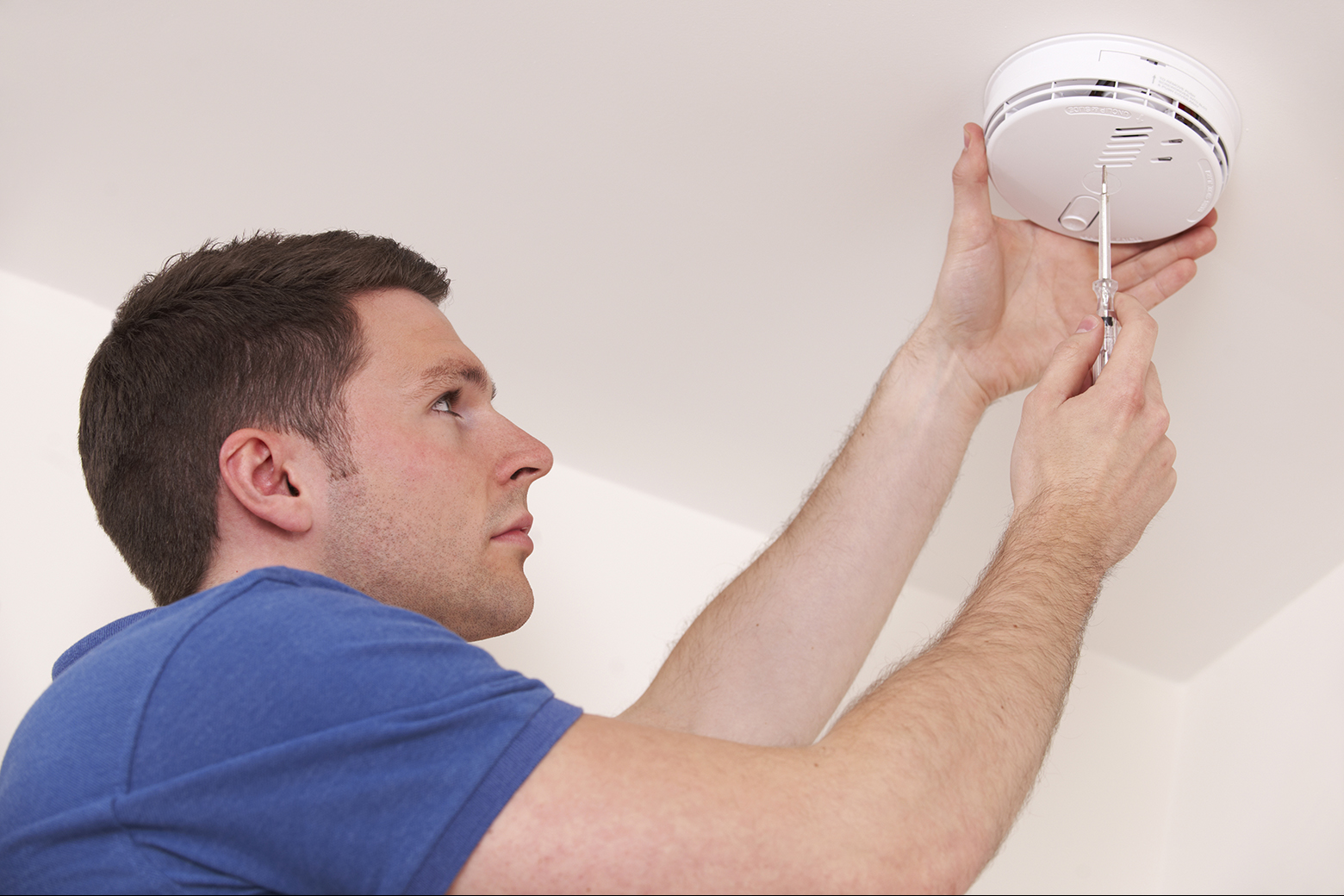
Twist or slide the smoke detector from its mounting plate. Hold it firmly while detaching to avoid dropping it. Keep the device close as you work on it.
Disabling The Battery
Open the battery compartment on the back of the detector. Take out the battery carefully. Without power, the smoke detector will stay off until reactivated.
Testing The Device
Press the test button on the smoke detector. No sound means the device is off. Replace the battery or reset the power to turn it back on later.
Common Mistakes To Avoid
Disabling smoke detectors requires care and attention. Many people make errors that can risk safety. Knowing common mistakes helps prevent accidents and ensures proper use.
Ignoring Manufacturer Instructions
Each smoke detector has specific instructions. Ignoring them can cause damage or malfunction. Always read and follow the manual carefully. It explains how to disable your model safely.
Disabling Without Backup Alarms
Turning off a smoke detector leaves your home unprotected. Never disable it without having another alarm in place. A backup alarm keeps you safe during maintenance or false alarms.
Forgetting To Re-enable
People often forget to turn the smoke detector back on. This mistake increases danger after disabling it. Set a reminder to re-enable the alarm as soon as possible. Safety depends on active smoke detectors.
Re-enabling Smoke Detectors
Re-enabling smoke detectors after disabling them is important for home safety. Smoke detectors protect your family by alerting you early to fire dangers. Proper steps ensure they work correctly and keep your home safe.
Proper Reinstallation
Place the smoke detector back in its original spot. Attach it firmly to the ceiling or wall. Make sure the power source, like batteries or wiring, is connected. Follow the manufacturer’s instructions carefully for best results.
Testing After Re-activation
Test the smoke detector to confirm it works. Press the test button until you hear the alarm sound. If the sound is weak or missing, check the battery or wiring. Replace batteries if needed and test again.
Regular Maintenance Tips
Clean the smoke detector regularly to remove dust and dirt. Change the batteries at least once a year. Test the alarm monthly to ensure it functions well. Replace the detector every 10 years for safety.

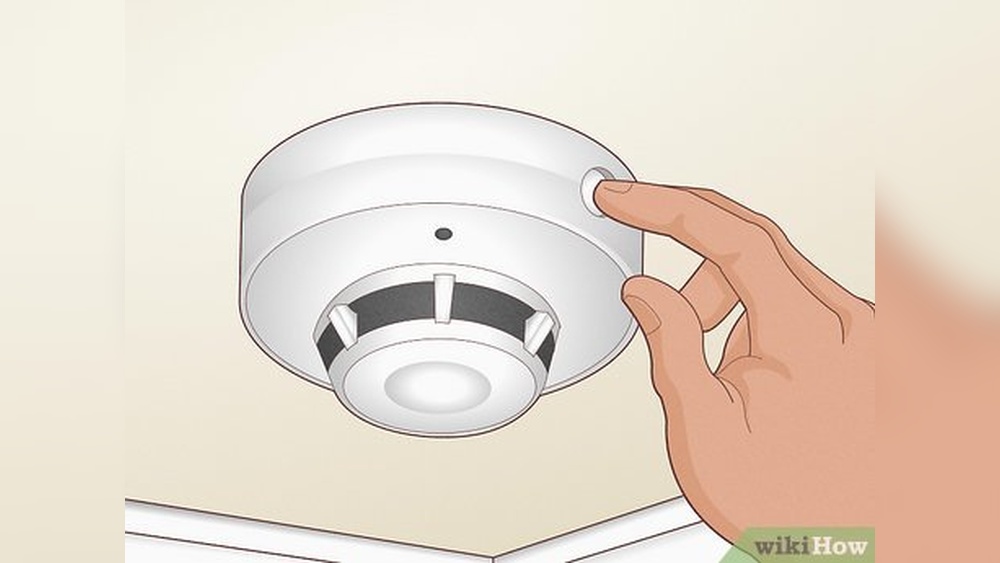
Credit: www.wikihow.com
Frequently Asked Questions
How Do I Temporarily Disable A Smoke Detector?
To temporarily disable a smoke detector, press and hold the test or silence button for 15-20 seconds. This pauses the alarm without removing the battery. Only do this during non-emergency situations like cooking to avoid false alarms. Remember to reactivate it promptly.
Can I Disable Smoke Detectors Without Removing Batteries?
Yes, some smoke detectors allow temporary silence using a button. This avoids battery removal and maintains power. Press the silence or hush button to stop alarms for a short period. Check your smoke detector’s manual for specific instructions.
Is It Safe To Disable Smoke Detectors At Home?
Disabling smoke detectors is unsafe unless for short, controlled reasons like cooking smoke. Long-term disabling increases fire risk and endangers lives. Always reactivate or replace detectors promptly to ensure home safety and compliance with fire codes.
How To Disable Smoke Detectors During Home Renovation?
During renovations, cover detectors with plastic bags or use the silence button temporarily. Avoid removing batteries to prevent damage or missing alarms. Turn detectors back on immediately after work to maintain safety standards.
Conclusion
Disabling smoke detectors needs care and caution. Always prioritize safety in your home. Turn off power before you start working. Follow the instructions carefully to avoid mistakes. Remember, smoke detectors save lives by alerting fires. Use this guide only when absolutely necessary.
Stay safe, and keep your home protected.