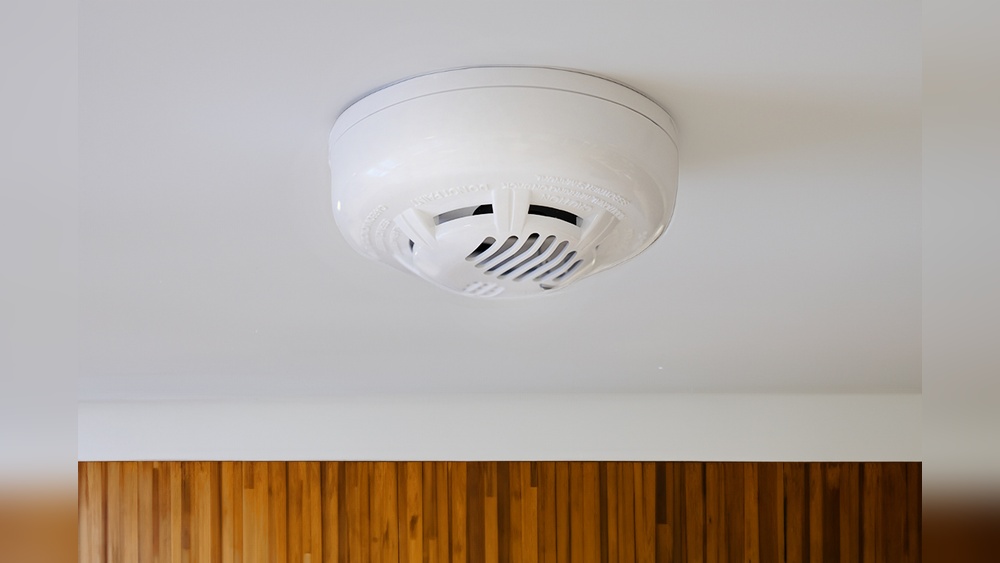

How many smoke and carbon monoxide detectors do you really need in your home? It’s a question that can make a big difference when it comes to keeping you and your loved ones safe.
You might think one detector per floor is enough, but the truth is more complex—and more important—than that. Knowing the right number and where to place these devices can protect your family from hidden dangers you might not even be aware of.
Keep reading to find out exactly how many detectors your home needs and why it matters more than you think.
Credit: www.lowes.com
Smoke Detector Basics
Smoke detectors save lives by warning about fire early. They detect smoke particles in the air. This alert gives people time to leave safely. Knowing the basics of smoke detectors helps keep your home safe.
Types Of Smoke Detectors
There are two main types of smoke detectors. Ionization detectors sense small smoke particles from fast fires. Photoelectric detectors spot larger smoke particles from slow, smoldering fires. Some models combine both types for better protection.
How Smoke Detectors Work
Smoke detectors use sensors to find smoke in the air. Ionization types have a small amount of radioactive material that reacts to smoke. Photoelectric types use a light beam that changes when smoke enters. When smoke is detected, the alarm sounds loudly.
Battery Vs. Hardwired Systems
Battery-powered detectors run on replaceable batteries. They are easy to install but need regular battery changes. Hardwired detectors connect to your home’s electrical system. They often have battery backup to work during power outages. Both types must be tested regularly for safety.
Carbon Monoxide Detector Essentials
Carbon monoxide (CO) is a silent and deadly gas. It has no color, smell, or taste. You cannot see or hear it. This makes it very dangerous in homes. CO detectors save lives by alerting you early. Understanding their importance helps you keep your family safe.
Knowing where CO comes from, the types of detectors available, and where to place them matters. These basics guide you to protect your home better.
Sources Of Carbon Monoxide
Carbon monoxide comes from burning fuels. Common sources include gas stoves, heaters, and fireplaces. Cars running in closed garages also produce CO. Faulty or blocked chimneys add to the risk. Any appliance that burns fuel can release CO.
Types Of Co Detectors
There are three main types of carbon monoxide detectors. Biomimetic sensors use a gel that changes color when CO is present. Metal oxide semiconductor sensors detect changes in electrical resistance. Electrochemical sensors produce a current when exposed to CO. Electrochemical detectors are the most accurate and reliable.
Placement Guidelines
Place CO detectors near sleeping areas to hear alarms at night. Install one on every level of the home. Avoid placing them right next to fuel-burning appliances. Mount detectors on walls about 5 feet above the floor. Keep them away from windows and vents. This placement ensures early and clear warning.
Recommended Number Of Detectors
Knowing the recommended number of smoke and carbon monoxide detectors is crucial for home safety. Too few detectors might leave you unprotected. Too many can cause confusion and false alarms. The right number depends on your home’s size and layout. This guide explains how to place detectors properly to keep your family safe.
Smoke Detector Placement Rules
Install smoke detectors inside every bedroom. Place one outside each sleeping area. Add at least one on every level of your home. Mount detectors on ceilings or high on walls. Avoid placing them near windows, fans, or vents. These can affect detector sensitivity.
Co Detector Placement Rules
Put carbon monoxide detectors near all sleeping areas. Install at least one on every floor of your home. Place them at knee height or according to the manufacturer’s advice. Keep CO detectors away from fuel-burning appliances. Do not install them in kitchens or bathrooms.
Detectors Per Room Vs. Per Floor
Most experts recommend one smoke detector per bedroom. Plus one outside the sleeping areas. One detector per floor is a minimum for CO alarms. Larger homes may need more detectors per room. Ensure clear sound coverage throughout the house. This setup offers the best protection for families.
Safety Codes And Standards
Safety codes and standards guide how many smoke and carbon monoxide detectors to install. These rules protect homes and save lives. Following them ensures your detectors work well and cover all needed areas.
Understanding these standards helps you place detectors in the right spots. It also helps avoid costly mistakes or missing important coverage.
National Fire Protection Association (nfpa) Guidelines
The NFPA sets key rules for smoke and carbon monoxide detectors. They recommend at least one smoke detector on every level of the home. One should be inside each bedroom and outside sleeping areas.
Carbon monoxide detectors should be installed near sleeping areas. The NFPA suggests testing alarms monthly and replacing batteries yearly. Detectors should be replaced every 10 years for best safety.
Local Building Codes
Local building codes may add extra requirements. These codes vary by city or state. Some places require hardwired detectors with battery backup. Others might have rules for detector placement in basements or garages.
Check local codes before installation. Following local laws ensures legal compliance and proper home safety.
Manufacturer Recommendations
Manufacturers give specific advice on their detector models. They detail where to place each unit for best performance. Some detectors cover larger areas than others.
Always read and follow the user manual. Proper installation keeps alarms working correctly and prevents false alerts.
Installation Tips
Proper installation of smoke and carbon monoxide detectors is crucial for safety. Correct placement ensures early warning and protection. Follow these simple tips to install your detectors effectively.
Ideal Locations For Detectors
Place smoke detectors inside each bedroom. Install one outside every sleeping area. Put a detector on every floor, including the basement. For carbon monoxide, place detectors near bedrooms. Avoid placing them too close to kitchens. Keep detectors away from windows and vents. Install detectors high on walls or ceilings.
Avoiding False Alarms
Keep smoke detectors away from cooking areas. Avoid placing them near bathrooms with showers. Do not install detectors near heating vents. Use detectors with a hush button to stop false alarms. Test different locations if alarms trigger often. Proper placement reduces unnecessary alerts.
Maintenance And Testing
Test detectors monthly to ensure they work well. Replace batteries at least once a year. Clean detectors gently with a vacuum or soft cloth. Replace smoke detectors every 10 years. Change carbon monoxide detectors every 5 to 7 years. Regular checks keep your home safe and secure.

Credit: cpisecurity.com
Combining Smoke And Co Detectors
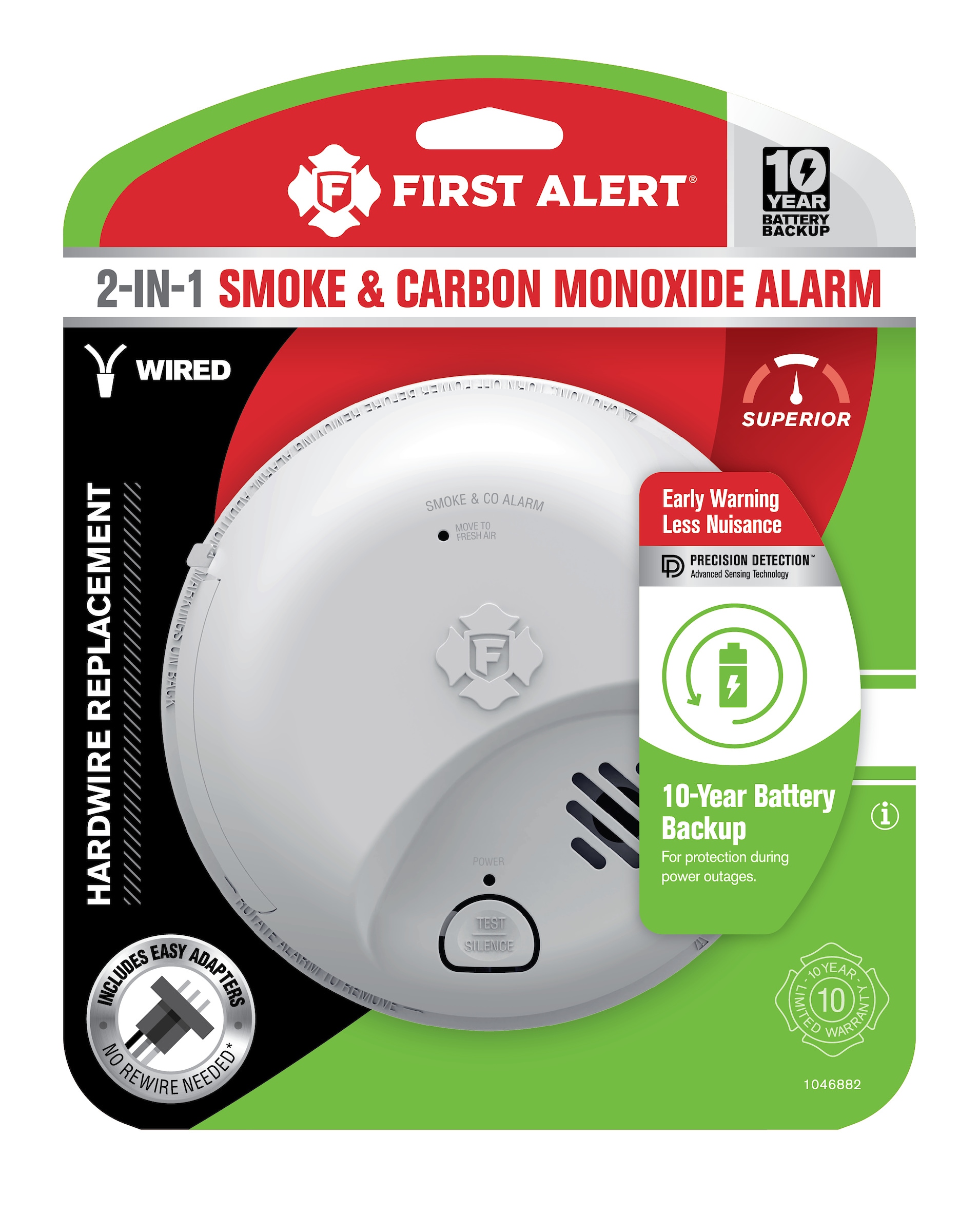
Combining smoke and carbon monoxide detectors into one device offers a practical solution for home safety. These combo units detect both fire and deadly gas, reducing the number of devices needed. They save space and simplify installation, making home monitoring easier.
Choosing the right combination unit can protect your family from two major hazards. It also ensures continuous alerts for both smoke and carbon monoxide threats.
Benefits Of Combo Units
Combo detectors save space on walls and ceilings. One device does two jobs, cutting costs on buying separate units. Installation is easier with fewer devices to mount and wire. They provide clear alerts for both smoke and carbon monoxide in one sound. Maintenance is simpler because only one battery or power source needs checking. Homeowners get peace of mind from reliable dual protection.
Limitations To Consider
Combo units may not be as sensitive as dedicated detectors. Smoke and carbon monoxide sensors require different placement for best results. A single device might miss early warnings if placed incorrectly. Some models have shorter battery life due to dual sensors. Replacing combo units can be more expensive than single-purpose devices. Check local safety codes; some require separate detectors for compliance.
Upgrading And Replacing Detectors
Upgrading and replacing smoke and carbon monoxide detectors keeps your home safe. Old detectors might not work well and miss dangers. New detectors have better sensors and features. Regular updates help protect your family from fire and gas risks.
When To Replace Detectors
Smoke detectors should be replaced every 10 years. Carbon monoxide detectors last about 5 to 7 years. Check the manufacturer’s label for exact dates. Replace detectors that beep or show error signals. Never ignore signs of malfunction.
Latest Technology Features
New detectors often connect to Wi-Fi for alerts on your phone. Some models can test themselves automatically. Voice alarms tell you the type and location of danger. Combination smoke and carbon monoxide detectors save space. These features improve safety and ease of use.

Credit: www.amazon.com
Frequently Asked Questions
How Many Smoke Detectors Are Needed In A House?
You should install smoke detectors inside each bedroom, outside sleeping areas, and on every floor. This ensures full coverage and early fire detection, enhancing home safety.
How Many Carbon Monoxide Detectors Do I Need?
Place at least one carbon monoxide detector on each floor, especially near sleeping areas. This placement helps detect toxic gas early and protects your family.
Where Should Smoke And Carbon Monoxide Detectors Be Installed?
Install smoke detectors on ceilings or high on walls in bedrooms and hallways. Carbon monoxide detectors should be near bedrooms but away from fuel-burning appliances.
How Often Should I Test Smoke And Co Detectors?
Test your smoke and carbon monoxide detectors monthly. Replace batteries at least once a year and replace the units every 7-10 years for optimal performance.
Conclusion
Every home needs enough smoke and carbon monoxide detectors. Place one on each floor and near bedrooms. Check them often to keep them working well. Replace batteries yearly or when the alarm sounds low. Proper detector placement saves lives and prevents danger.
Stay safe by following these simple steps today. Your family’s safety depends on it. Don’t wait to install or update your detectors now.