
Have you ever wondered what makes string LED lights glow so brightly while using so little power? Whether you’re decorating your home, garden, or a special event, understanding how these lights work can help you choose the best ones and use them more effectively.
You’ll discover the simple science behind string LED lights, how they save energy, and why they last longer than traditional bulbs. Keep reading to unlock the secrets that make your favorite lights shine brilliantly and efficiently.
Basics Of Led Technology
Understanding how string LED lights work begins with the basics of LED technology. LEDs are small but powerful light sources. They use less energy and last longer than regular bulbs. This makes them ideal for string lights used in homes, gardens, and events.
Knowing what an LED is and how it produces light helps explain why string LED lights are so popular. The technology behind LEDs is simple yet efficient. Let’s explore the key points.
What Is An Led?
LED stands for Light Emitting Diode. It is a tiny electronic device that emits light when electricity passes through it. Unlike traditional bulbs, LEDs do not have a filament. Instead, they use a semiconductor to create light. This makes LEDs more durable and less likely to break.
LEDs come in many colors and sizes. They can be very small, perfect for string lights. Their design allows them to work well in different settings, indoors or outdoors.
How Leds Produce Light
LEDs produce light through a process called electroluminescence. When electric current flows through the semiconductor, it releases energy in the form of light. This happens without heating a filament, which saves energy.
The light color depends on the semiconductor material used. This technology allows LEDs to create bright, clear light in many shades. It also means LEDs can turn on instantly without warming up.
Components Of String Led Lights
String LED lights are popular for decoration and lighting. Understanding their parts helps to know how they work. These lights have simple but important components. Each part plays a key role in lighting up spaces.
Led Bulbs
LED bulbs are the small light sources on the string. They use little energy but shine bright. These bulbs last long and stay cool. They create different colors and effects. Each bulb contains tiny chips that emit light.
Wiring And Circuitry
Wires connect all the LED bulbs together. They carry electricity from the power source to the bulbs. The circuit controls the flow of electricity. It keeps the bulbs safe and working well. Some circuits allow bulbs to blink or change colors.
Power Source
The power source gives electricity to the string lights. It can be batteries or a plug-in adapter. Some string lights use solar panels to charge. The power source needs to match the light’s voltage. It ensures the lights turn on and stay bright.
Electrical Flow In String Lights
String LED lights brighten spaces with a simple flow of electricity. Understanding how electrical flow works in these lights helps you grasp why some lights stay on even if one bulb fails. This flow depends on how the bulbs and wires connect in the string.
Series Vs Parallel Circuits
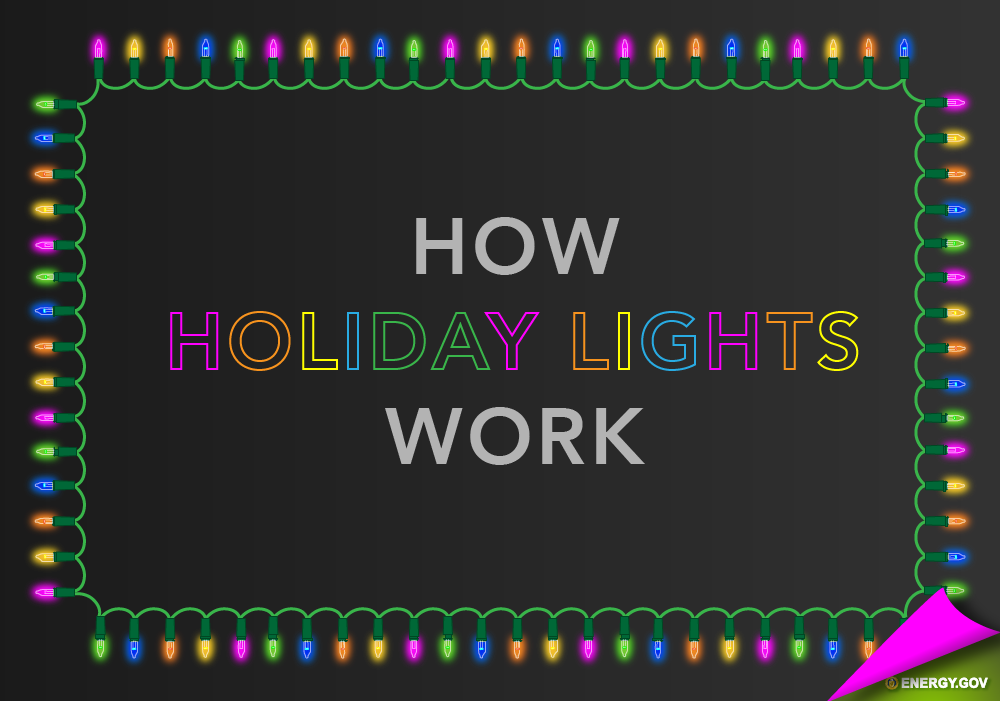
String lights use either series or parallel circuits. In a series circuit, electricity flows through each bulb one after another. If one bulb burns out, the whole string goes dark. This happens because the electrical path breaks.
Parallel circuits connect each bulb directly to the power source. Electricity flows through all bulbs independently. If one bulb fails, the rest stay lit. This setup is common in modern LED string lights.
Current And Voltage Roles
Current is the flow of electric charge through the wires. It powers the bulbs to produce light. Voltage is the force that pushes this current through the circuit.
In series circuits, the same current passes through all bulbs, but voltage divides among them. In parallel circuits, voltage stays the same across each bulb, but the current splits.
Credit: www.energy.gov
Color And Brightness Control
String LED lights offer great control over color and brightness. This control makes them perfect for many uses. From soft mood lighting to bright task lights, you can change how they look and feel. Understanding how color and brightness work helps you get the best results.
Types Of Led Colors
LED string lights come in various colors. Some use single-color LEDs like red, green, or blue. Others use RGB LEDs that mix red, green, and blue to create many colors. RGB lights let you pick any shade you want. Some string lights also include white LEDs for softer, natural light. Choosing the right type depends on your needs and space.
Adjusting Brightness Levels
Brightness control changes how light or dim the LEDs shine. Many LED string lights use dimmers or remote controls. These tools let you adjust brightness smoothly. Some lights use pulse-width modulation (PWM) to change brightness. PWM switches LEDs on and off quickly to control light output. This method saves energy and extends LED life. Brightness control helps set the perfect mood or save power.
Energy Efficiency Of Led Strings
String LED lights use very little electricity, making them energy efficient. They provide bright light without using much power. This efficiency helps reduce electricity bills and is better for the environment.
Comparing Leds To Traditional Lights
LED string lights use up to 80% less energy than traditional bulbs. Traditional lights heat up, wasting energy as heat. LEDs convert most energy into light. They last much longer and need fewer replacements.
Benefits Of Low Power Consumption
Low power use means lower electric bills. You can leave LED strings on for hours without high costs. They also produce less heat, reducing fire risks. Using less energy helps reduce your carbon footprint. LED strings are both safe and cost-effective for home lighting.
Common Features And Effects
String LED lights have many common features and effects that make them popular. They offer more than just simple illumination. These lights create moods and decorate spaces with ease. Their effects can change the feel of any room or outdoor area instantly. Understanding these features helps you use string LED lights better.
Flashing And Fading Modes
Most string LED lights come with flashing and fading modes. Flashing mode makes the lights blink on and off quickly. This effect adds energy and excitement to parties or events. Fading mode slowly dims the lights in and out. It creates a calm and cozy atmosphere perfect for relaxing.
You can switch between these modes with a small remote or a button on the string. Some lights offer multiple speed options for both flashing and fading. These modes add variety and fun to your lighting setup.
Smart Controls And Timers
Smart controls make string LED lights easy to use. Many models connect to apps on your phone. This lets you turn the lights on or off without moving. You can also change colors and effects right from your device.
Timers are another useful feature. Set the lights to turn on or off at certain times. This helps save energy and adds convenience. Timers are perfect for outdoor lights that should only shine at night.
Smart controls and timers bring more control and flexibility to your lighting experience.
Maintenance And Safety Tips
String LED lights add charm to any space. Keeping them safe and working well needs simple care. Proper maintenance helps lights last longer. It also stops accidents and electrical problems. Follow easy tips for handling and safety.
Handling And Storage
Always handle string lights with care. Avoid pulling or twisting the wires. Untangle them gently to stop damage. Store lights in a cool, dry place. Use a spool or a box to keep them neat. Proper storage prevents knots and breaks. It also protects the bulbs and wires.
Preventing Electrical Issues
Check lights for damage before use. Look for frayed wires or broken bulbs. Do not use lights with exposed wires. Use only the right power source. Avoid overloading electrical outlets. Turn off lights when not in use. Keep lights away from water or damp areas. These steps reduce the risk of shocks and fires.

Credit: electronics.stackexchange.com

Credit: electronics.stackexchange.com
Frequently Asked Questions
How Do String Led Lights Generate Light?
String LED lights use small light-emitting diodes (LEDs) that convert electricity into light efficiently. Each LED emits light when an electric current passes through it, producing bright, energy-saving illumination along the string.
What Powers String Led Lights To Work Efficiently?
String LED lights are powered by low-voltage DC electricity, often supplied via a plug-in adapter or batteries. This low power consumption makes them energy-efficient and safe for indoor and outdoor use.
How Are Leds Arranged In String Lights?
LEDs in string lights are connected in series, parallel, or a combination to ensure consistent brightness and reliability. This arrangement allows the lights to stay lit even if one LED fails.
Why Do String Led Lights Use Resistors?
Resistors control the electric current flowing through each LED, preventing damage from excess current. They help maintain stable brightness and extend the lifespan of the string LED lights.
Conclusion
String LED lights work by passing electricity through small bulbs. These bulbs use less energy and last longer than regular lights. You can connect many lights in a row for bright decoration. They come in different colors and styles to fit any space.
Understanding how they work helps you choose the right lights. Safe and easy to use, string LED lights brighten up homes and events. Now, you know why they are popular and how they light up your world. Simple and smart lighting for every occasion.