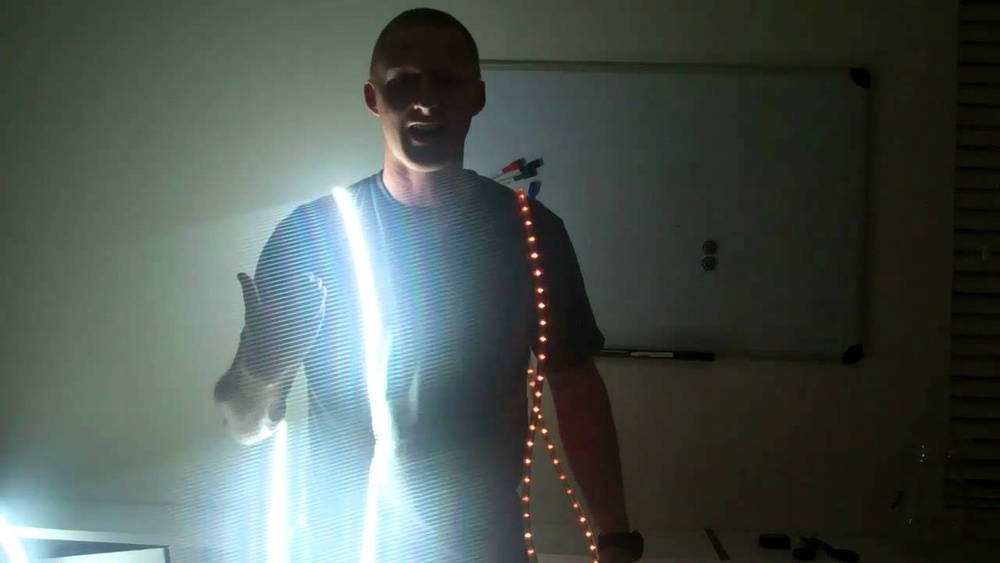

Have you ever wondered just how bright a LED string light can be? Whether you’re planning to light up your backyard, decorate a cozy corner, or add a magical glow to your next party, knowing the true brightness of these lights is key.
You want to make sure your space looks just right—not too dim, and definitely not blinding. You’ll discover exactly what determines the brightness of LED string lights and how to choose the perfect ones for your needs. Keep reading, because the glow you create could change everything about your space.

Credit: www.superbrightleds.com
Led String Light Basics
LED string lights are popular for bright and colorful lighting. They use small light-emitting diodes (LEDs) that save energy and last long. These lights come in many styles and sizes. Knowing the basics helps you choose the right type for your needs.
LED string lights are easy to install. They create a warm or bright glow, depending on the model. Their brightness depends on the number of LEDs and their power. Understanding these factors makes your lighting choice clearer.
Types Of Led String Lights
There are many types of LED string lights. Some have small bulbs, others have larger ones. Some lights shine steady, while others blink or change colors. The color options include warm white, cool white, and multicolor. You can find battery-powered or plug-in lights. Solar-powered lights are also common for outdoor use.
Common Uses And Settings
LED string lights fit many places and events. They decorate homes, gardens, patios, and balconies. People use them for holidays, parties, and weddings. Many add LED lights to rooms for cozy or festive moods. Outdoor string lights brighten yards and pathways safely. Their flexibility suits both indoor and outdoor settings.
Measuring Led Brightness
Measuring the brightness of LED string lights helps you choose the right lighting for your space. Brightness tells how much light the LEDs produce. It affects how well you can see and the mood the lights create. Understanding brightness measurements lets you pick lights that suit your needs.
Lumens Vs. Watts
Lumens measure the actual light output. Watts measure energy use, not brightness. A LED string light with 300 lumens is brighter than one with 100 lumens. Watts only tell how much power the light uses. Look at lumens to know how bright the light really is.
Color Temperature Effects
Color temperature changes how light looks. It is measured in Kelvins (K). Lower Kelvins (2700K) give warm, yellow light. Higher Kelvins (5000K) give cool, white light. Warm light feels cozy but looks less bright. Cool light feels sharp and shows more detail. Color temperature changes the brightness experience.
Factors Influencing Brightness
The brightness of a LED string light depends on several key factors. Understanding these factors helps you choose the best lights for your space. Brightness is not just about the number of bulbs. Quality and power source also matter a lot.
Led Quality And Brand
Good quality LEDs shine brighter and last longer. Well-known brands often use better materials. Cheaper LEDs may look dim or flicker. Quality affects color and brightness consistency too. Investing in trusted brands can improve your lighting experience.
Number Of Leds Per String
More LEDs usually mean more light. A string with 100 bulbs is brighter than one with 50. But spacing matters as well. Tightly spaced LEDs give a fuller look. Choose a number that fits your area and needs.
Power Source Impact
Power source affects brightness and stability. Battery-powered strings can be less bright than those plugged in. Voltage differences change LED output. Using a stable power supply keeps lights shining evenly. Check power details before buying to get desired brightness.
Comparing Brightness Levels
Brightness levels of LED string lights vary widely. Knowing these levels helps you pick the right light for your space. Brightness affects mood, visibility, and energy use. Here, we compare low, medium, and high brightness options. We also explore indoor and outdoor brightness needs.
Low Brightness Options
Low brightness LED string lights create a soft, cozy glow. They use fewer lumens, usually under 200 lumens. Perfect for bedrooms, patios, or quiet evenings. They save energy and reduce glare. Low brightness lights add charm without overwhelming the room.
Medium Brightness Options
Medium brightness lights produce between 200 and 500 lumens. They balance visibility and ambiance well. Great for kitchens, living rooms, and small outdoor areas. Medium brightness offers enough light to see clearly. Yet, it keeps the atmosphere warm and inviting.
High Brightness Options
High brightness LED string lights exceed 500 lumens. They provide clear, strong illumination. Suitable for large outdoor spaces, parties, or work areas. These lights enhance safety and highlight features. High brightness may use more power but boosts visibility greatly.
Indoor Vs. Outdoor Brightness Needs
Indoor spaces usually need softer light to create comfort. Low to medium brightness works best inside. Outdoor areas require brighter lights for safety and decoration. High brightness is common in gardens and patios. Weatherproof designs pair well with bright outdoor LEDs.
Maximizing Led String Light Brightness
LED string lights can brighten up any space, but their full potential depends on how you use them. Proper setup and smart accessories help you get the best light output. Small changes can make a big difference in brightness and ambiance.
Focus on installation and light control to boost brightness. These steps improve both the look and the feel of your lighting.
Proper Installation Tips
Place LED string lights where they can shine freely. Avoid covering them with thick materials that block light. Hang them higher to spread light over a larger area. Use hooks or clips to keep the lights straight and avoid tangles. Make sure power sources are secure and close by to keep light steady. Keep lights clean from dust and dirt for clearer brightness.
Using Reflectors And Diffusers
Reflectors bounce light to brighten dark spots. Use white or shiny surfaces near your lights to reflect more glow. Diffusers soften harsh light and spread it evenly. Place thin fabrics or frosted covers over lights to reduce glare. These tools balance brightness and create a cozy atmosphere. Experiment with placement to find the best effect for your space.

Credit: www.armacostlighting.com
Energy Efficiency And Brightness
LED string lights are popular for their bright glow and low energy use. These lights shine well while using less power than many other options. The balance of brightness and energy efficiency makes them ideal for homes, parties, and decorations. Understanding this balance helps in choosing the right LED string light for your needs.
Balancing Brightness With Power Consumption
LED string lights offer strong brightness with low power use. Each small bulb uses just a fraction of energy compared to traditional bulbs. This means you get bright light without high electricity bills. You can find LED strings with different brightness levels, measured in lumens. Choose a string that fits your space and lighting needs. Brightness varies by bulb type and number of bulbs in the string. More bulbs usually mean more light but also more power use. Efficient LED lights keep power consumption low even at higher brightness.
Long-term Cost Considerations
LED string lights cost less to run over time. They use less electricity, cutting monthly energy bills. These lights also last longer than regular bulbs. Fewer replacements mean saving money and less waste. The initial price might be higher than old bulbs. But lower power use and longer life make LED lights cheaper in the long run. Think of LED string lights as an investment. They save money while providing bright, reliable light for years.
Troubleshooting Dim Led String Lights
Dim LED string lights can spoil the mood and reduce visibility. Finding the cause helps restore their full brightness. This section guides you through common problems and easy fixes. Keep your lights shining bright.
Common Causes Of Dimming
One reason is low power supply. LED string lights need steady voltage to glow brightly.
Another cause is damaged bulbs. A single faulty bulb can affect the whole string.
Loose connections also reduce brightness. Wires or plugs not fitting well can drop power.
Old or worn-out lights naturally lose brightness over time. Age affects LED efficiency.
Simple Fixes And Maintenance
Check the power source first. Use a different outlet or battery pack to test.
Inspect bulbs carefully. Replace any that look dark or broken.
Secure all plugs and wires. Make sure they fit tightly and clean any dirt.
Clean the lights gently. Dust and grime can block the light output.
Store lights properly when not in use. Avoid tangling and moisture to extend life.

Credit: www.amazon.com
Frequently Asked Questions
How Bright Is A Typical Led String Light?
A typical LED string light emits between 200 to 800 lumens per string. Brightness varies by LED type, size, and power. Energy-efficient LEDs provide ample light for decoration without high electricity use. Always check product specs for exact brightness details before purchase.
What Factors Affect Led String Light Brightness?
Brightness depends on LED wattage, number of bulbs, and color temperature. Higher wattage and more bulbs increase brightness. Cooler color temperatures (5000K+) appear brighter to the human eye. Quality and design also influence how light disperses and its overall brightness.
Can Led String Lights Replace Traditional Bulbs?
LED string lights can replace traditional bulbs for decorative and ambient lighting. They consume less energy and last longer. However, they may not provide enough brightness for task lighting. Choose based on your brightness needs and intended use.
How To Measure Brightness Of Led String Lights?
Use a light meter to measure lumens or lux for LED string lights. Lumens indicate total light output, while lux measures light intensity at a surface. Checking product specifications often gives lumen ratings, making it easier to compare brightness across models.
Conclusion
LED string lights offer bright, energy-saving illumination for any space. Their brightness depends on bulb type, size, and number of LEDs. Choosing the right light means balancing brightness with power use. These lights work well for decoration and practical lighting.
They create a cozy and inviting atmosphere easily. Understanding brightness helps pick the best LED string lights for your needs. Bright and efficient lighting is just a simple choice away.


