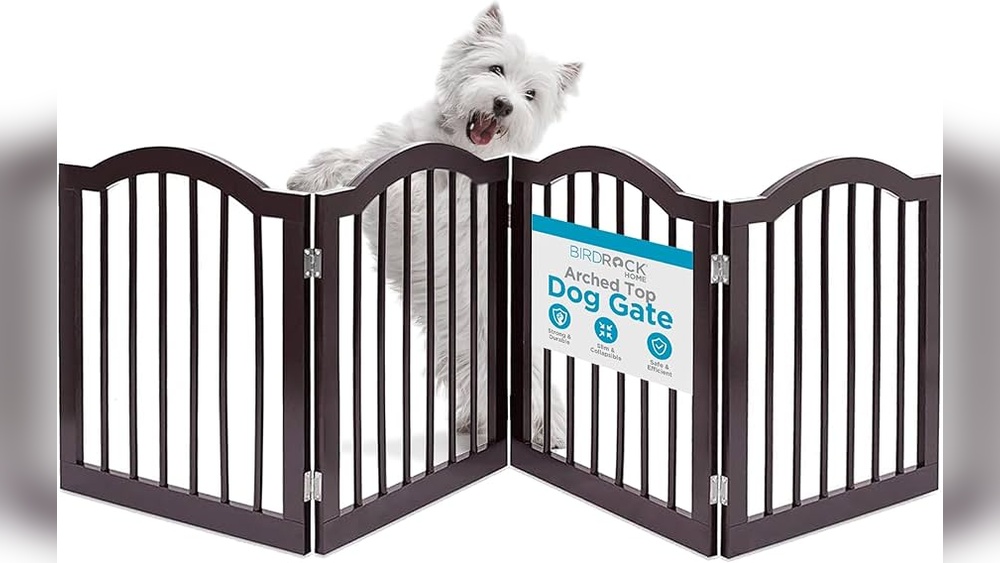

Are you worried about keeping your pet safe while giving them the freedom to roam certain areas? A free standing pet gate can be a perfect solution, but only if it’s secured properly.
If your gate isn’t stable, it could tip over and put your furry friend at risk. You’ll learn simple, effective ways to secure your free standing pet gate. By the end, you’ll feel confident that your pet’s space is both safe and comfortable.
Keep reading to discover tips that protect your pet and give you peace of mind.
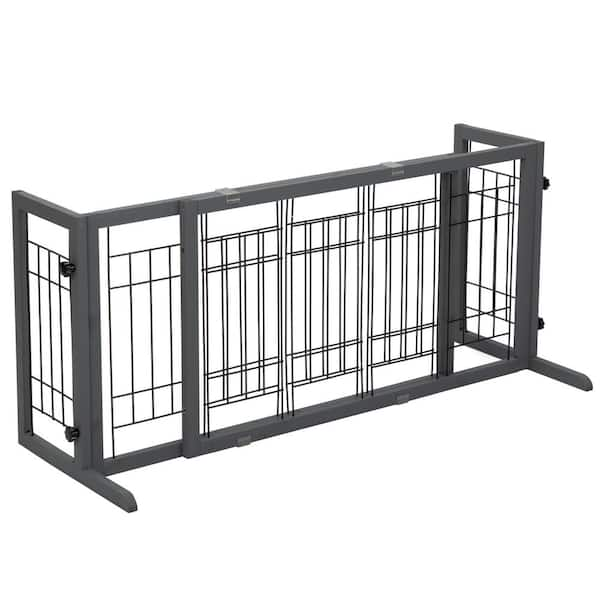
Credit: www.homedepot.com
Choosing The Right Pet Gate
Choosing the right pet gate is important to keep your pet safe and your home protected. The gate should fit your space and your pet’s needs. It must be strong enough to hold your pet but easy to move if needed. Understanding the features helps you pick the best gate for your home.
Materials And Durability
Pet gates come in different materials like wood, metal, and plastic. Metal gates are strong and last longer. Wooden gates look nice but may not hold up to heavy pets. Plastic gates are light but less durable. Choose a material that fits your pet’s strength and your home style.
Size And Height Considerations
Measure the space where you want to place the gate. The gate must be tall enough to stop your pet from jumping over. Small pets need shorter gates, while large dogs need taller ones. Make sure the width fits the doorway or hallway perfectly.
Portability Features
Some free standing gates are easy to move from room to room. Look for gates with handles or wheels for easy transport. If you travel with your pet, a lightweight gate is helpful. Portability lets you secure different areas quickly and safely.
Preparing The Installation Area
Preparing the installation area is the first step to secure a free standing pet gate safely. This process ensures the gate fits well and stays stable. Taking time to prepare helps avoid problems later.
Measuring Doorways And Openings
Measure the width of the doorway or opening carefully. Use a tape measure and note the exact size. Check the height too. This helps you pick a gate that fits perfectly. A gate too small or too big won’t work well.
Clearing The Space
Remove any furniture or items near the installation area. Clear the floor space where the gate will stand. This gives room to place and adjust the gate. A clean space also prevents the gate from tipping over.
Assessing Floor Surface
Look at the floor where you plan to place the gate. Smooth and flat floors are best for stability. Carpets or rugs can make the gate wobble. Consider placing a mat under the gate for extra grip if the floor is slippery.
Securing The Gate Without Drilling
Securing a free standing pet gate without drilling protects your walls and floors. It keeps your home safe and damage-free. Many pet owners prefer this method to avoid permanent marks. There are easy ways to keep the gate steady and strong. These methods use simple tools and materials you may already have.
Using Tension Rods
Tension rods create pressure between two walls or door frames. They hold the gate firmly in place. Choose rods with rubber ends to avoid slipping. Adjust the rods to fit tightly without damaging surfaces. This method works well in narrow spaces and doorways.
Adding Non-slip Pads
Non-slip pads stick to the bottom of the gate. They prevent sliding on smooth floors. These pads are soft and protect your floors from scratches. Place them under each leg or corner of the gate. This simple step improves stability and safety for your pet.
Weighting The Base
Adding weight to the gate’s base stops it from tipping over. Use heavy items like sandbags or weighted mats. Attach the weight securely so it does not shift. This method works best for larger gates or active pets. It keeps the gate steady without drilling or damage.
Enhancing Stability With Accessories
Free standing pet gates are great for keeping pets safe. But they can wobble or tip over easily. Adding simple accessories can make the gate more stable. These tools help keep the gate steady and secure. They prevent accidents and give you peace of mind.
Wall Anchors And Brackets
Wall anchors and brackets attach the gate to a wall. They stop the gate from moving side to side. Anchors are strong and hold tight to the wall. Brackets create a firm connection between the gate and the wall. This setup keeps the gate in place even if pets push on it.
Anti-tip Straps
Anti-tip straps prevent the gate from falling forward or backward. These straps fasten the top of the gate to a fixed point. They limit how much the gate can move. Straps are easy to install and adjust. They add safety by stopping tipping accidents.
Rubber Feet And Grips
Rubber feet and grips stick to the bottom of the gate. They increase friction between the gate and the floor. This reduces slipping on smooth surfaces. Rubber grips protect floors from scratches too. These accessories help the gate stay put without damaging your home.
Safety Checks And Maintenance
Keeping a free standing pet gate safe is important. Regular checks and care help prevent accidents. Simple steps keep the gate strong and reliable for your pet’s safety. Small efforts protect pets from harm and give peace of mind to owners.
Regular Stability Testing
Check the gate’s stability often. Push gently on different sides. The gate should not wobble or move easily. Tighten any loose parts you find. A stable gate stops pets from pushing it over. Test stability after moving the gate to a new spot.
Cleaning And Inspection
Clean the gate regularly to remove dirt and dust. Use a damp cloth and mild soap. Check for cracks, broken parts, or sharp edges. Look closely at hinges and locks. Clean parts last longer and work better. Fix or replace damaged pieces right away.
Adjusting For Growing Pets
Pets grow fast. Adjust the gate height and width to fit your pet. Make sure gaps are small enough to stop pets from slipping through. Change the gate’s position if your pet’s behavior changes. A well-fitted gate keeps pets safe as they grow.

Credit: www.amazon.com
Common Mistakes To Avoid
Securing a free standing pet gate might seem easy. Yet, many make mistakes that reduce safety and stability. Avoiding these errors keeps your pet safe and your gate firm. Focus on key areas to get the best results.
Overlooking Gate Height
Choosing the right gate height matters a lot. Too short a gate lets pets jump over easily. Too tall, and it becomes hard to move or place. Measure your pet’s height and jump ability first. Match the gate height to your pet’s needs.
Ignoring Floor Conditions
Floor type affects gate stability. Smooth floors like tile or wood can cause slipping. Uneven or carpeted floors may not support pressure well. Use non-slip pads or grips under the gate. Check the floor surface before placing the gate.
Skipping Regular Checks
Regularly check the gate for wear and tear. Loose parts or weak hinges can cause failure. Tighten screws and bolts often. Replace damaged parts quickly to keep the gate secure. Routine checks prevent accidents and keep pets safe.

Credit: bona-store.com
Frequently Asked Questions
How Do You Install A Free Standing Pet Gate Securely?
Place the gate on a flat surface and ensure it fits the space well. Use non-slip pads or grips under the gate legs to prevent sliding. Check stability by gently pushing the gate to ensure it won’t tip over easily.
What Materials Improve The Stability Of Pet Gates?
Rubber or silicone pads enhance grip on smooth floors. Weighted bases add extra stability to prevent tipping. Secure locking mechanisms keep the gate firmly closed, improving overall safety and durability.
Can Free Standing Pet Gates Be Used On All Floor Types?
Yes, they work on hardwood, tile, carpet, and laminate floors. Use non-slip pads on smooth surfaces for better grip. Avoid placing gates on uneven floors to maintain stability and prevent accidents.
How To Prevent Pets From Knocking Over Free Standing Gates?
Choose gates with a wide, heavy base for better balance. Add weights or secure the gate to nearby furniture if possible. Supervise pets initially to train them to avoid pushing or jumping on the gate.
Conclusion
Securing a free standing pet gate keeps pets safe and spaces organized. Choose a stable gate that fits your doorway well. Place it firmly on the floor and check for wobbling. Use additional supports if needed for extra strength. Regularly inspect the gate to ensure it stays secure.
This simple step protects pets from danger and keeps your home neat. A well-secured gate offers peace of mind every day. Take time to set it up right. Your pet will thank you with happy, safe days.