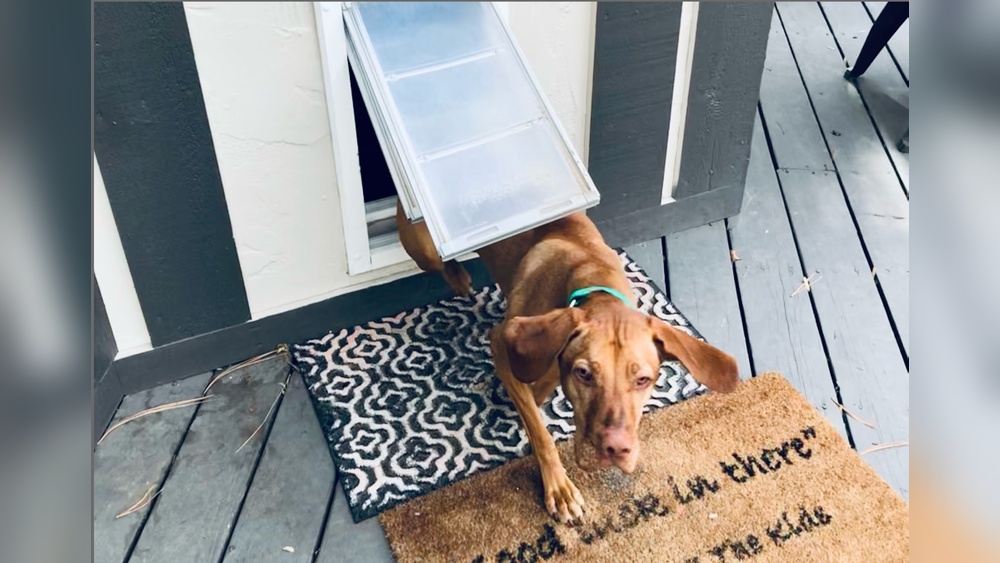

Is your pet door ready for the cold months ahead? Winter can bring chilly winds, snow, and drafts that sneak in through your pet’s door.
If you don’t take steps to winterize it, your home could lose heat, and your furry friend might feel uncomfortable. But don’t worry—preparing your pet door for winter is easier than you think. In this guide, you’ll discover simple, effective ways to keep the cold out and warmth in.
Keep reading to make sure your pet door stays cozy and energy-efficient all season long!

Credit: www.glassdogdoors.com
Seal Drafts And Gaps
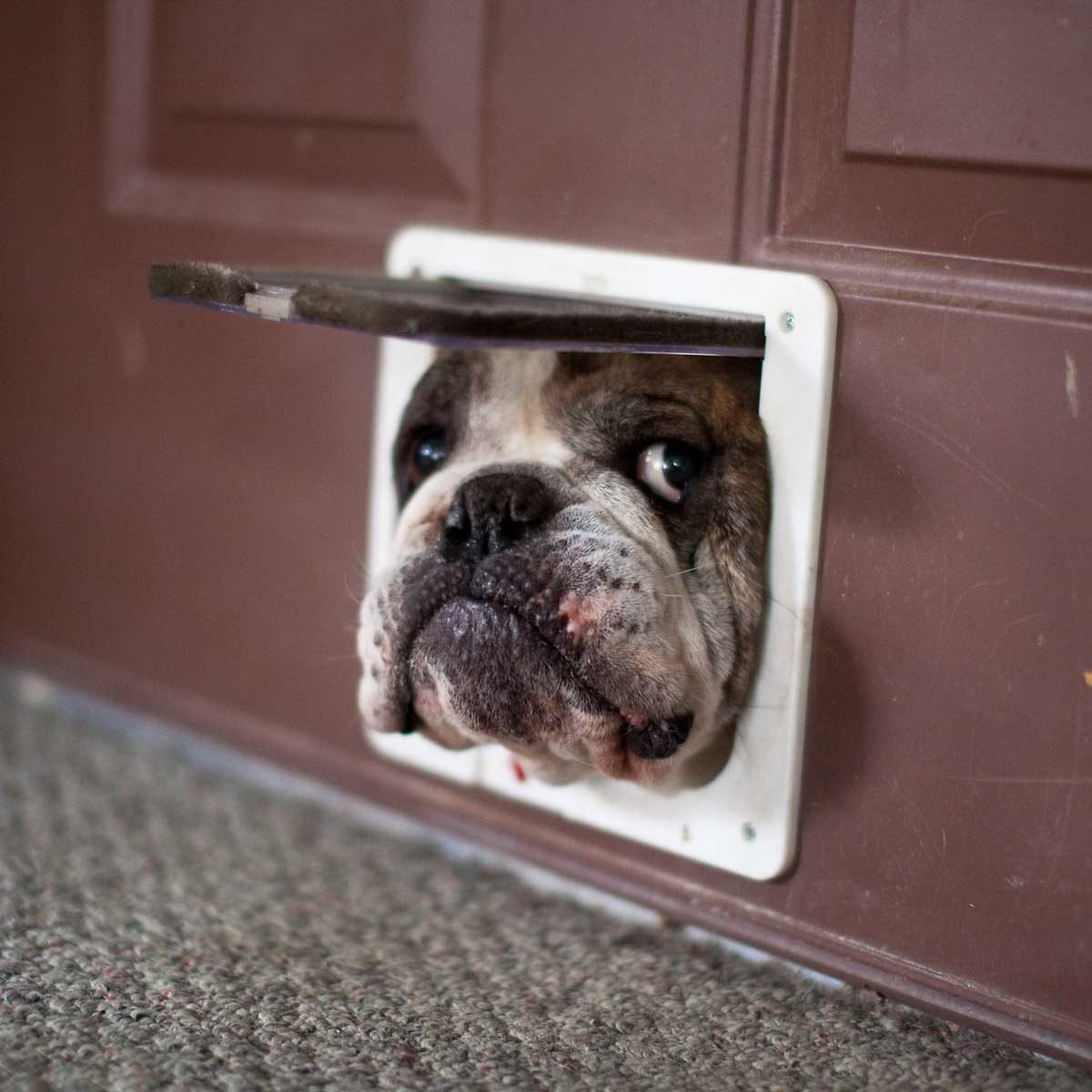
Sealing drafts and gaps around your pet door helps keep cold air out. This makes your home warmer and saves energy. Small cracks can let chilly air inside. Fixing these leaks is key to winterizing your pet door. Follow these steps to stop drafts and keep your pet door snug.
Inspect Door Frame
Look closely at the pet door frame. Check for cracks or spaces where air might come through. Use a flashlight to see clearly. Pay attention to corners and edges. Mark any areas that need fixing. This step helps you find all drafty spots.
Use Weatherstripping
Apply weatherstripping around the pet door frame. This soft material blocks air leaks. Choose foam or rubber strips for best results. Cut the strips to fit each side of the frame. Press firmly so they stick well. Weatherstripping creates a tight seal against cold air.
Apply Caulking
Use caulking to fill small gaps and cracks. Pick a weatherproof caulk for outside use. Apply a thin bead along the edges of the pet door frame. Smooth it out with a tool or your finger. Let it dry completely to seal drafts. This keeps winter air from sneaking in.
Credit: www.familyhandyman.com
Install Insulated Flaps
Installing insulated flaps on your pet door helps keep cold air out. It also stops heat from escaping your home. This simple change makes your pet’s entry cozy and safe during winter. Insulated flaps add a barrier that blocks wind and drafts. They work well to save energy and keep your home warm.
Choose Durable Materials
Pick materials that hold up well in cold weather. Thick vinyl or heavy-duty plastic works best. These materials do not crack or break easily in freezing temperatures. They also resist wear from your pet’s paws and claws. Choose flaps with some flexibility to allow easy pet access. A sturdy flap lasts longer and protects better against cold.
Add Magnetic Closures
Magnetic closures help seal the flap tightly. This stops cold air from sneaking through gaps. Magnets keep the flap closed after your pet goes inside. They also make it easy for your pet to push the flap open. Look for strong magnets that cover the flap’s edges. This simple addition makes the pet door more energy efficient.
Protect Against Snow And Ice
Snow and ice can cause problems for your pet door during winter. They block the door and make it hard for pets to go in and out. Protecting the door from these elements keeps it working well and safe for your pet.
Clear Snow Regularly
Remove snow from around the pet door every day. This stops snow from piling up and blocking the door. Use a small shovel or broom to clear the area gently. Check both sides of the door to ensure easy access for your pet.
Use Ice Melt Safely
Choose pet-safe ice melt products to clear ice near the door. Some ice melts can harm your pet’s paws or skin. Apply the product carefully and avoid using too much. Keep an eye on the area to make sure it stays safe and clear.
Maintain Door Mechanisms
Maintaining your pet door’s mechanisms is key to keeping it working through winter. Cold weather can make parts stiff and cause damage. Regular care helps the door open and close smoothly. It also stops drafts from coming inside your home. Small steps protect your door and your pet’s comfort.
Lubricate Moving Parts
Apply a light lubricant to hinges and moving parts. This keeps them from sticking or freezing. Use a silicone spray or a lubricant made for outdoor use. Avoid heavy oils that can attract dirt. Lubricate at the start of winter and check monthly. Smooth parts mean less wear and easier use for your pet.
Check For Damage
Look closely at the door frame and flap for cracks or tears. Cold weather can cause materials to become brittle. Replace any damaged parts quickly to keep the door sealed. Check the locking mechanism to ensure it works well. A secure door keeps cold air out and pets safe inside.
Consider Heating Options
Keeping your pet door warm during winter helps protect your home and your pet. Heating options stop cold air from coming inside. They also prevent ice buildup around the door. These simple steps keep your pet comfortable and safe.
Use Heated Mats
Heated mats are thin pads that warm the floor near your pet door. They melt snow and ice quickly. Place them outside or inside the door frame. These mats use little electricity but work well. They also stop your pet’s paws from getting cold or wet.
Install Heated Door Frames
Heated door frames warm the edges of your pet door. They stop cold drafts from sneaking in. These frames are easy to install around most pet doors. They keep the door flexible and easy for pets to use. Heated frames make winter more comfortable for your pet and home.

Credit: www.youtube.com
Monitor Pet Comfort
Monitoring your pet’s comfort is key during winter. Cold weather can make pets uneasy. They need a safe, warm space. Watch them closely for signs of discomfort. Small changes in behavior tell you a lot.
Provide Warm Shelter
Create a cozy spot near the pet door. Use blankets or pet beds to add warmth. Make sure the shelter blocks wind and drafts. A well-insulated area helps keep pets safe. Keep the shelter dry to avoid chills.
Observe Pet Behavior
Notice if your pet hesitates at the door. Reluctance might mean it’s too cold outside. Shivering or restlessness are clear signs of discomfort. Pets may stay inside more during extreme cold. Adjust their environment to keep them happy.
Frequently Asked Questions
How Do I Insulate My Pet Door For Winter?
Use weather stripping and insulated flaps to seal gaps. Add foam or draft stoppers to reduce cold air entry. This keeps your pet warm and lowers heating costs efficiently.
What Materials Work Best For Winterizing Pet Doors?
Vinyl, rubber, and foam provide excellent insulation. These materials block drafts and withstand cold weather. Choose durable, flexible options for easy pet access and energy savings.
Can I Add A Cover To Protect My Pet Door?
Yes, install a removable cover or storm flap. It shields the door from wind, rain, and snow. This simple step enhances insulation and prolongs your pet door’s life.
How Often Should I Check My Pet Door In Winter?
Inspect weekly for drafts, cracks, or damage. Promptly fix or replace worn seals to maintain insulation. Regular checks ensure your pet door remains weatherproof throughout winter.
Conclusion
Winterizing your pet door keeps your home warm and safe. Seal gaps tightly to stop cold air from entering. Use insulated flaps or covers to block the chill. Regular checks help spot damage early and fix it fast. Protect your pet and save energy this cold season.
Simple steps make a big difference in comfort. Stay prepared and enjoy a cozy winter with your furry friend.