

Are you ready to transform your outdoor space with cozy, glowing string lights? Knowing how to stake led string lights properly can make all the difference between a dazzling setup and a tangled mess.
In this guide, you’ll discover simple, effective steps to secure your lights safely and beautifully. Keep reading, and you’ll learn how to bring warmth and charm to your yard without any hassle or frustration. Your perfect outdoor ambiance is just a few easy stakes away!

Credit: www.amazon.com
Choosing The Right Stakes
Choosing the right stakes for LED string lights is essential for a secure setup. The right stakes keep your lights steady and safe in different weather conditions. Picking the best stakes helps your lights look neat and prevents damage.
Types Of Stakes For String Lights
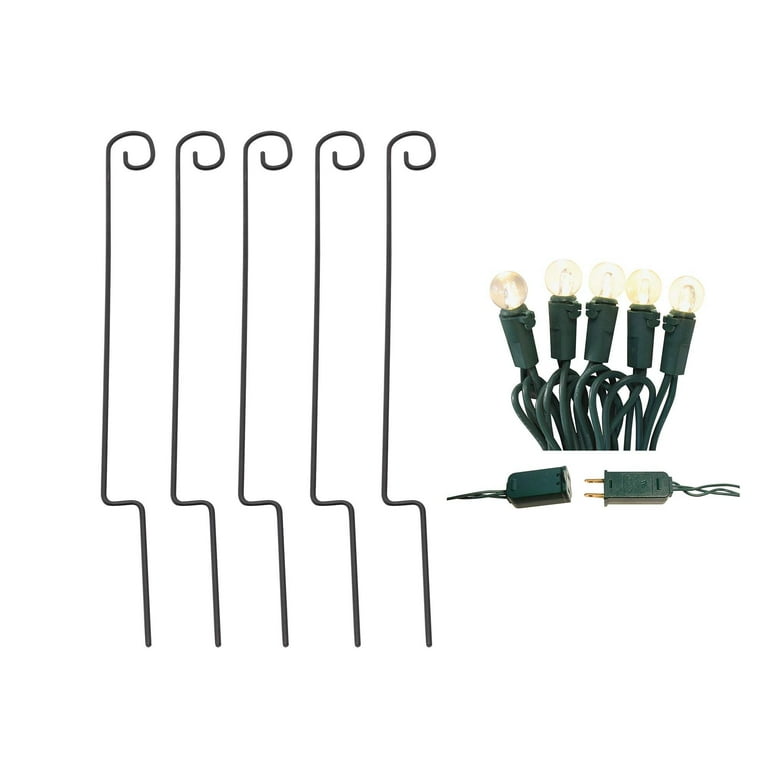
Several stakes suit LED string lights. Ground stakes are common and push directly into soil. They hold lights firmly in gardens or yards. There are also clip-on stakes. These attach to poles or fences. They work well for hanging lights along walls or railings. Some stakes have hooks to hold the light string in place. Choose a type based on where you want to place your lights.
Material And Durability
Materials affect stake strength and lifespan. Metal stakes resist bending and last long. They suit outdoor use well. Plastic stakes are lightweight but less strong. They might break in tough weather. Wood stakes offer a natural look but can rot. Pick a material that fits your environment and how long you want the stakes to last. Rust-resistant metal stakes are best for wet areas.
Size And Compatibility
Stake size matters for stability. Thin stakes may not hold heavy lights well. Thick stakes provide better support but need bigger holes. Match the stake size to the light string’s weight and length. Also, check if the stake fits your light’s design. Some stakes work only with certain string light models. Using the right size and type stops lights from sagging or falling.
Credit: www.homedepot.com
Preparing The Area
Preparing the area is a key step before staking LED string lights. It ensures the lights look great and stay secure. Clear space and plan the layout carefully. This helps avoid problems later. Follow these steps for a smooth setup.
Clearing The Ground
Remove rocks, sticks, and other debris from the ground. Clear the area where stakes will go. This prevents damage to the lights and stakes. A clean surface makes staking easier and safer.
Measuring The Layout
Measure the space where the lights will hang. Use a tape measure for accuracy. Plan the shape and length of the string lights. This step helps avoid extra slack or tight spots.
Marking Stake Positions
Mark where each stake will be placed. Use small flags or chalk for clear marks. Space the marks evenly to keep lights balanced. This guides proper stake placement during installation.
Installing The Stakes
Installing stakes for LED string lights is a simple step that secures your lights in place. Proper staking keeps lights neat and prevents them from sagging or falling. Follow clear steps to make sure your setup looks great and lasts long.
Inserting Stakes Into Soil
Choose a spot with soft soil. Push the stake firmly into the ground. Leave enough of the stake above soil to hold the light string. Avoid hard or rocky areas to prevent damage. Use a gentle rocking motion if needed to ease the stake in.
Ensuring Stability
Check the stake’s firmness after insertion. Press the soil around the base to tighten it. The stake should not wobble or tilt. If loose, remove and reinsert deeper. Strong stability supports your lights during wind or rain.
Adjusting For Uneven Terrain
Uneven ground needs careful stake placement. Use multiple stakes to follow the land’s shape. Adjust the height of stakes for an even light line. Shorten or lengthen stakes to match slopes and dips. This keeps your LED string lights balanced and secure.
Credit: www.walmart.com
Attaching String Lights
Attaching LED string lights properly makes a big difference. It keeps lights safe and looking good. Follow clear steps to attach the lights to stakes well. This helps the lights stay in place and last longer.
Use the right method to avoid damage and keep the lights bright. Small tips can make the process easier and safer. Let’s explore how to attach string lights correctly.
Securing Lights To Stakes
Start by holding the string lights near each stake. Wrap the light cord around the stake gently. Use zip ties or twist ties to hold the cord tight. Do not squeeze too hard to avoid breaking the wire.
Make sure the lights face outward for better shine. Secure every few inches for strong support. This stops the lights from moving in the wind or falling.
Spacing And Tension Tips
Keep even space between each stake for a neat look. Avoid pulling the string lights too tight. Too much tension can snap wires or damage bulbs.
Leave a little slack in the cord. This prevents stress on the wires when it moves. Proper spacing and tension keep lights safe and shining bright.
Avoiding Damage To Cords
Handle the cords gently to avoid cuts or breaks. Do not bend the cords sharply near stakes or plugs. Protect cords from sharp edges and rough surfaces.
Check cords for damage before attaching. Replace any worn or frayed cords to prevent hazards. Careful handling keeps your string lights working longer.
Power And Safety Considerations
Power and safety are the top priorities when staking LED string lights. These lights need proper wiring and protection to work well outside. Poor power setup can cause shorts, shocks, or even fires. Taking the right steps keeps your lights bright and your home safe.
Choosing Outdoor-rated Lights And Cords
Select LED string lights made for outdoor use. These lights resist water, dust, and cold. Use heavy-duty extension cords rated for outside. Indoor cords may crack or fail in wet weather. Outdoor cords have thicker insulation to protect wires.
Protecting Connections From Weather
Cover plugs and connections with waterproof covers. Use electrical tape or plastic bags to seal open ends. Keep connections off the ground to avoid puddles. Wet connections can cause shorts or shocks. Check connections regularly for wear or damage.
Using Timers And Surge Protectors
Use timers to turn lights on and off automatically. This saves energy and prevents overheating. Plug lights into surge protectors to guard against power spikes. Surges can damage bulbs and wiring. Timers and protectors extend the life of your lights.
Maintaining Your Setup
Keeping your LED string lights in good condition helps them last longer. Proper maintenance avoids damage and keeps your space bright and beautiful. A simple routine can save time and money.
Regular Inspections
Check your LED string lights often for any signs of wear. Look for frayed wires, loose bulbs, or broken stakes. Early spotting of problems prevents bigger damage. Ensure all connections are secure and stable.
Cleaning And Storage Tips
Dust and dirt reduce light brightness. Gently wipe bulbs with a soft cloth. Avoid harsh chemicals that can harm the lights. Store your lights in a dry, cool place. Coil them loosely to avoid tangling and breaking.
Replacing Damaged Components
Replace bulbs or stakes as soon as they break. Use parts that match your LED string lights. Damaged wires should be fixed or replaced by a professional. This keeps your setup safe and working well.
Frequently Asked Questions
How Do I Stake Led String Lights Safely?
To stake LED string lights safely, use sturdy stakes and secure the lights without damaging wires. Avoid sharp bends and keep connections dry. Place stakes firmly into the ground at regular intervals to prevent sagging and ensure even tension across the string.
What Materials Are Best For Staking Led String Lights?
Wooden, metal, or plastic stakes work well for LED string lights. Choose weather-resistant materials for outdoor use. Metal stakes offer durability, while plastic stakes are lightweight and easy to handle. Ensure stakes are long enough to anchor lights securely in soil or grass.
Can I Stake Led String Lights On Hard Surfaces?
Staking LED string lights on hard surfaces requires special anchors or adhesive hooks. Use removable hooks designed for walls or concrete. Avoid damaging surfaces by choosing non-invasive mounting options. Always check the weight and size of the lights before installation.
How Far Apart Should Stakes Be For String Lights?
Place stakes about 2 to 3 feet apart for optimal support. This spacing keeps the LED string lights taut and evenly distributed. Adjust distance based on light weight, string length, and terrain to prevent sagging or excessive tension on wires.
Conclusion
Staking LED string lights is simple and fun. Choose the right stakes and place them firmly in the ground. Make sure your lights stay secure and look neat. Proper staking helps prevent damage and keeps lights shining bright. Enjoy your beautifully lit space, day or night.
With a little care, your lights will last longer. Brighten your yard or garden easily and safely. Now, your outdoor area looks warm and inviting. Try staking your LED string lights today!


