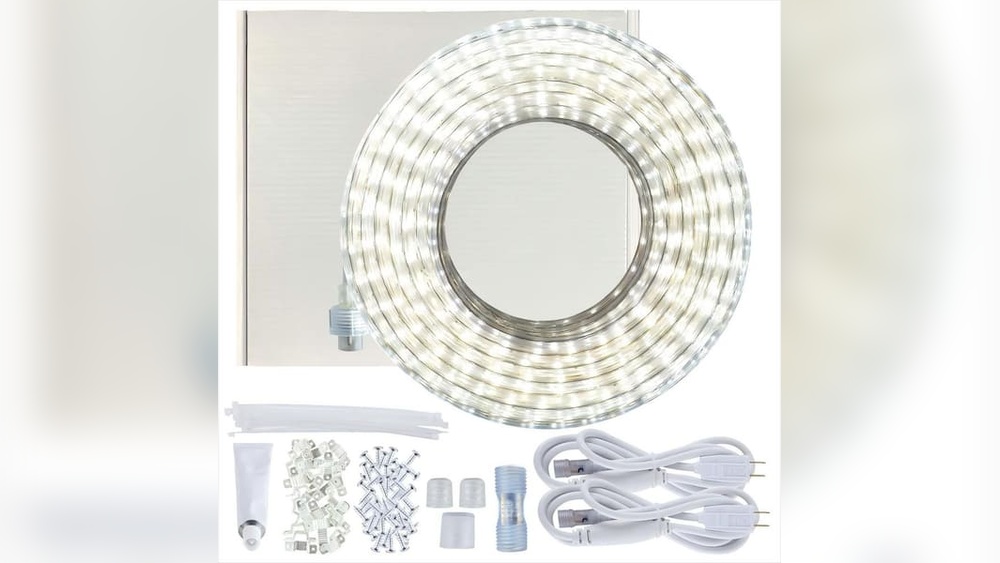

Are your LED flat light strings too long for your space, leaving you tangled in excess wires? You’re not alone.
When your lights don’t fit just right, it can spoil the look and cause frustration. But what if you could easily shorten your LED flat light string to fit perfectly, without damaging it or losing brightness? This guide will show you exactly how to do that, step by step.
Keep reading, and you’ll discover simple tricks to make your lighting neat, safe, and stunning—just the way you want it.

Credit: www.christmas-light-source.com
Tools Needed
Shortening an LED flat light string requires specific tools. These tools help you work safely and accurately. Having the right equipment makes the process easier. It also prevents damage to the lights or wiring.
Basic Tools
You need wire cutters to trim the light string cleanly. A wire stripper helps remove the insulation without cutting wires. A soldering iron is useful for reconnecting wires securely. Heat shrink tubing protects the new connections from moisture. A multimeter checks for electrical continuity before and after cutting. Small pliers help hold wires steady during work.
Safety Gear
Wear safety glasses to protect your eyes from wire bits. Use insulated gloves to avoid electric shocks. Work in a well-lit area to see wires clearly. Keep a fire extinguisher nearby as a safety precaution. Make sure your workspace is dry to reduce risk of shock. These safety steps keep you safe throughout the process.

Credit: www.birddogdistributing.com
Preparing The Light String
Preparing the LED flat light string before cutting is very important. This step helps avoid damage and ensures the lights work well after shortening. Take your time to check the string carefully. Small mistakes can cause the whole string to stop working.
Gather your tools and find a clean space to work. Good lighting helps you see the string’s details better. Being organized makes the process smoother and safer.
Inspecting The String
Look over the entire length of the light string. Check for any breaks, loose wires, or damaged bulbs. Make sure the string is not tangled or twisted. Damaged parts should be fixed or replaced before cutting. Identify the positive and negative wires clearly. This helps prevent wiring mistakes later.
Choosing The Cut Point
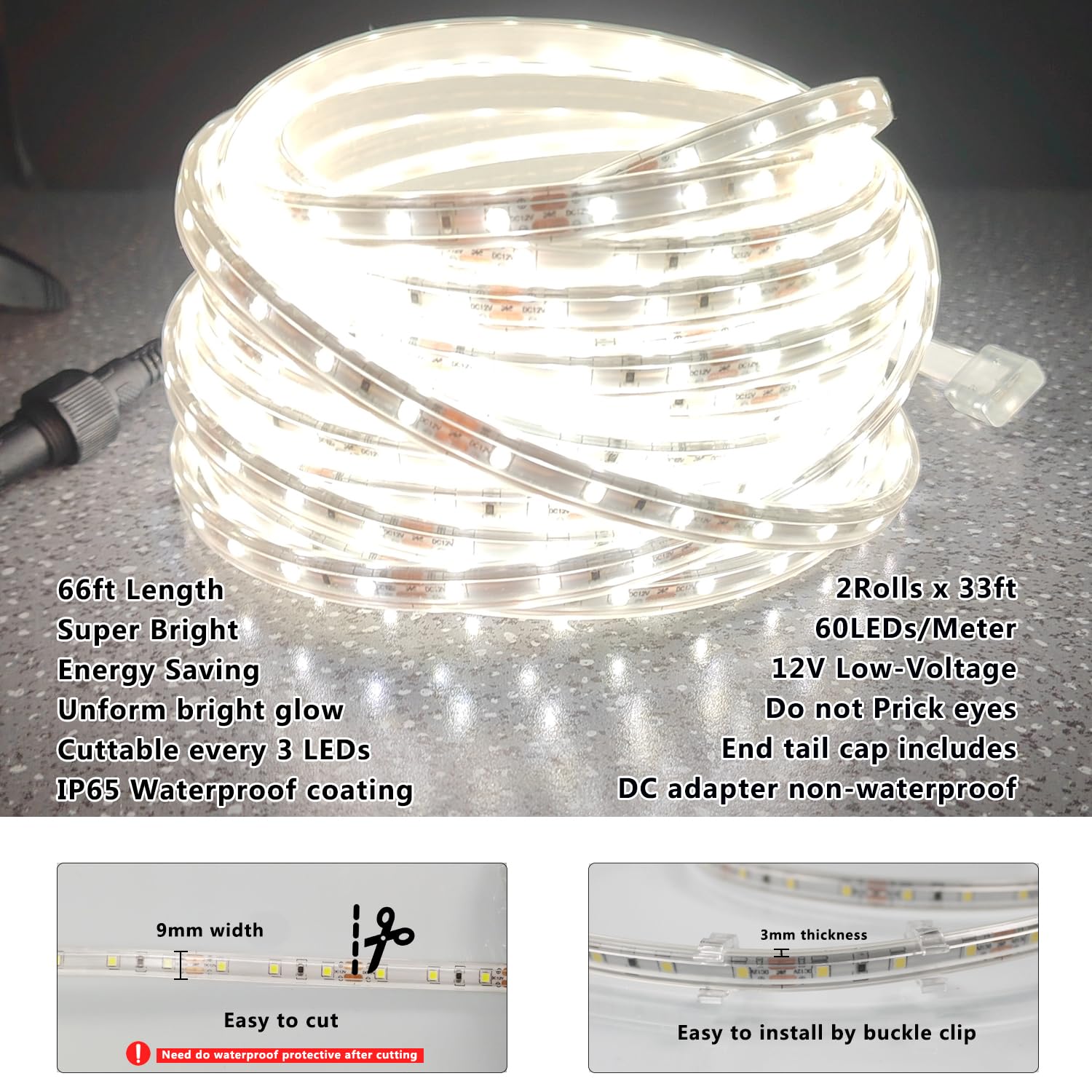
Find the marked cut points on the string. These are usually small scissors icons or lines. Cutting only at these points keeps the string safe and functional. Avoid cutting between lights or on wires. Measure the length you need before cutting. Double-check to avoid cutting too short or too long.
Cutting The Led String
Cutting an LED flat light string helps fit it perfectly in your space. It makes the string shorter without breaking the flow of lights. Careful cutting keeps the LED string working well and safe to use.
Marking The Cut Spot
Find the marked cut points on the LED string. These spots are usually printed or shown with a small line. Cutting only at these spots keeps the string intact. Mark the exact place with a pen or tape before cutting. Avoid cutting anywhere else to prevent damage.
Using The Right Cutting Method
Use sharp scissors or a small blade for clean cuts. Cut slowly and carefully along the marked spot. Do not twist or pull the string while cutting. After cutting, check the edges are smooth and neat. Proper cutting ensures the lights stay connected and safe.
Reconnecting The Wires
Reconnecting the wires is a key step when shortening an LED flat light string. Proper connections ensure the lights work safely and effectively. Take time to do each step carefully. Poor connections can cause flickering or stop the lights from working.
Stripping Wires
Start by stripping the insulation from the wire ends. Use a wire stripper tool or a small knife. Remove about half an inch of the outer layer. Be gentle to avoid cutting the wire strands. Expose enough wire for a good connection.
Twisting And Securing Connections
Hold the exposed wires side by side. Twist them together tightly in a clockwise direction. Make sure the wires do not separate. A firm twist creates a solid electrical connection. Avoid loose or uneven twists that can cause problems.
Using Electrical Tape
Wrap electrical tape around the twisted wires. Cover all exposed metal to prevent short circuits. Stretch the tape as you wrap for a tight seal. Overlap the tape layers for better protection. This step keeps your connections safe and insulated.
Testing The Shortened String
Testing the shortened LED flat light string is a key step. It ensures the string works well after cutting and reconnecting. Proper testing helps find any issues early. It saves time and prevents damage. Follow simple steps to check the string’s performance and safety.
Powering On
Connect the shortened string to its power source carefully. Use the correct voltage to avoid damage. Turn on the power switch gently. Watch the lights closely for even brightness. Each LED should glow without flickering or dim spots. If all lights turn on steadily, the string is working.
Troubleshooting Common Issues
Some lights may not turn on after shortening. Check all wire connections for tightness and contact. Look for any visible cuts or damage on wires. Replace or repair faulty sections with proper tools. If flickering occurs, check the power supply for stability. Clean any dirt or moisture from connectors. Test the string again after fixes to confirm the problem is solved.
Additional Tips
Shortening an LED flat light string can be simple with the right care. Taking extra steps helps protect your lights and keeps them bright. These tips guide you through safe handling and better results.
Avoiding Damage
Cut the string only where marked. Avoid cutting wires or circuits. Use sharp scissors for clean cuts. Handle the string gently to prevent breaks. Keep the lights away from water or heat. Store unused parts safely to avoid tangles or bends.
Maintaining Brightness
Do not cut too many lights from the string. Check the power source matches the shortened string. Use connectors designed for your LED string type. Avoid overloading the electrical circuit. Clean the lights carefully with a soft cloth. Keep the bulbs free from dust and dirt.
Credit: www.amazon.com
Frequently Asked Questions
How Do I Safely Shorten An Led Flat Light String?
To safely shorten an LED flat light string, first unplug it. Cut the wire only at designated points. Use electrical tape or heat shrink tubing to insulate exposed wires. Test the lights before final installation to ensure they work properly.
Can I Cut Any Part Of An Led Flat Light String?
No, only cut at marked cutting points on the LED flat light string. Cutting elsewhere can damage the circuit and stop lights from working. Always check the manufacturer’s instructions for exact cutting locations.
What Tools Are Needed To Shorten Led Flat Light Strings?
You need wire cutters, electrical tape or heat shrink tubing, and a multimeter. Wire cutters cut the string at marked points. Tape or tubing insulates exposed wires. A multimeter tests electrical continuity after cutting.
Will Shortening Led Flat Light Strings Affect Brightness?
Shortening the string generally does not affect brightness if done correctly. Ensure all connections are secure and insulated. Avoid cutting too many LEDs as this may impact the overall light output.
Conclusion
Shortening an LED flat light string is simple and safe. Follow each step carefully to avoid damage. Use the right tools and measure twice before cutting. Always check the string works after adjusting its length. This way, you get the perfect size for your space.
Enjoy bright, neat lighting without extra hassle. Keep these tips in mind for future projects too. Your lights will look great and last longer. Try it yourself with confidence!