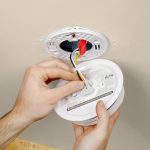
Your smoke detector is one of the most important safety devices in your home. But what good is it if it doesn’t have a working battery?
Knowing how to put a battery into your smoke detector quickly and correctly can keep you and your loved ones safe. You’ll discover simple, step-by-step instructions to get your smoke detector powered up in no time. By the end, you’ll feel confident handling this small but crucial task all on your own.
Let’s make sure your home stays protected—starting right now.

Credit: www.youtube.com
Choosing The Right Battery
Choosing the right battery is key to keeping your smoke detector working well. The right battery ensures your detector stays active and alerts you in time. A wrong or weak battery can stop the device from working.
Knowing which battery fits your smoke detector helps you avoid problems. It saves money and keeps your home safe. This guide explains the types of batteries, sizes, and where to get good ones.
Types Of Batteries For Smoke Detectors
Most smoke detectors use either 9-volt batteries or AA batteries. Some newer models use lithium batteries for longer life. Alkaline batteries are common and affordable. Lithium batteries last longer but cost more.
Pick a battery type that matches your smoke detector’s instructions. Using the wrong type can cause malfunctions. Always check the manual or look inside the detector for battery type info.
Battery Size And Compatibility
Battery size matters for fitting into your smoke detector. Common sizes include 9V, AA, and AAA. The wrong size battery won’t fit or make proper contact. Check the battery compartment for size details.
Compatibility means the battery must match the detector’s voltage and type. Using incompatible batteries can damage the device or shorten its life. Always use batteries recommended by the manufacturer.
Where To Buy Reliable Batteries
Buy batteries from trusted stores or online shops. Choose stores with good reviews and return policies. Avoid very cheap batteries, as they may fail quickly. Brands like Duracell, Energizer, and Panasonic offer reliable options.
Keep spare batteries at home for quick replacement. Check expiration dates to avoid old batteries. Proper storage keeps batteries fresh and ready for use.
Tools And Safety Tips
Installing a battery in a smoke detector is simple but needs the right tools and safety steps. Using proper tools makes the process smooth and safe. Following safety tips protects you and ensures the detector works well.
Essential Tools Needed
Gather a few tools before starting. A small screwdriver helps open the detector’s battery compartment. Have fresh batteries ready, usually 9-volt or AA types. A ladder or step stool may be needed to reach the detector safely. Keep a cloth nearby to clean dust from the detector.
Safety Precautions Before Installation
Turn off the power if your smoke detector is hardwired. This prevents electric shock during battery replacement. Avoid using damaged batteries to stop leaks or fires. Handle batteries with dry hands to avoid slipping. Test the detector after installing the battery to ensure it works properly.
Removing The Old Battery
Removing the old battery from a smoke detector is a simple but important task. It keeps your home safe by making sure the detector works well. This process is quick and does not need any special tools. Follow the steps carefully for a smooth battery change.
Locating The Battery Compartment
Start by finding the battery compartment. Most smoke detectors have it on the back or side. Look for a small panel or cover that can slide or lift open. Sometimes, you may need to twist the cover gently to open it. Be careful not to break the plastic parts.
Properly Taking Out The Old Battery
Once the compartment is open, see the battery inside. Note how it is placed. Remove the battery by gently pulling it out. Avoid using sharp objects that could damage the detector. Dispose of the old battery safely. Do not leave it inside the detector or throw it in regular trash.
Inserting The New Battery
Inserting a new battery into your smoke detector is simple but important. A fresh battery keeps your smoke detector working well. It helps protect your home and family from fire risks.
Follow these clear steps to place the battery correctly. This ensures your smoke detector will sound an alarm if smoke appears.
Aligning Battery Terminals Correctly
Start by checking the battery terminals. Look for plus (+) and minus (-) signs. Match these signs on the battery with those inside the detector. Proper alignment avoids damage and ensures power flows properly.
Hold the battery gently. Insert the positive end first if the detector’s instructions say so. This step is easy but very important for correct function.
Securing The Battery In Place
After aligning, push the battery firmly into the slot. Make sure it fits snugly without force. A loose battery can cause the detector to fail or beep wrongly.
Close the battery compartment cover securely. Check that it clicks or locks into place. This keeps the battery safe inside and the detector ready to work.
Testing The Smoke Detector
Testing the smoke detector ensures it works properly after you insert the battery. This step is very important for your safety. A smoke detector that does not work can put you at risk. Regular testing helps find problems early and keeps your home safe.
Using The Test Button
Most smoke detectors have a test button on the front or side. Press and hold this button for a few seconds. A loud alarm sound means the detector is working. If you do not hear a sound, check the battery or the unit. Test the detector monthly to keep it reliable.
Signs Of Proper Functioning
A working smoke detector makes a loud, clear alarm sound during testing. The alarm should stop quickly when you release the test button. The detector’s light may blink to show it is active. No strange noises or delays should occur. These signs mean the smoke detector is ready to protect your home.

Credit: support.firstalert.com
Maintenance Tips
Proper maintenance keeps your smoke detector working well. It helps protect your home and family. Simple steps can extend the life of your device. Regular care prevents false alarms and failures.
Follow these tips to keep your smoke detector reliable. Check batteries and clean the device often. Small actions make a big difference in safety.
When To Replace Batteries
Replace batteries at least once a year. Use a fresh, high-quality battery each time. Some smoke detectors beep when batteries run low. Don’t ignore these sounds. Test your device monthly to ensure it works. Change batteries immediately if the alarm is weak or silent.
Regular Cleaning For Optimal Performance
Dust and dirt can block the sensor. Clean your smoke detector every six months. Use a soft brush or vacuum on low power. Avoid water or cleaning sprays. Remove the detector from the ceiling carefully. Keep the sensor area free of debris. A clean smoke detector is more sensitive and accurate.
Credit: support.firstalert.com
Frequently Asked Questions
How Do I Open A Smoke Detector To Insert A Battery?
To insert a battery, twist or slide the smoke detector’s cover. Some models have a small latch or button to release the cover. Always refer to the user manual for specific instructions to avoid damage.
What Type Of Battery Is Needed For Smoke Detectors?
Most smoke detectors use a 9-volt or AA battery. Check the detector’s label or manual to confirm the correct type. Using the right battery ensures optimal performance and safety.
How Do I Properly Insert A Battery In A Smoke Detector?
Match the battery terminals with the smoke detector’s positive and negative slots. Insert the battery firmly but gently. Secure the detector cover back in place and test the device for functionality.
How Often Should I Replace Smoke Detector Batteries?
Replace batteries at least once a year or when the low-battery warning sounds. Regular replacement helps maintain the detector’s reliability and ensures your safety.
Conclusion
Putting a battery into a smoke detector is simple and quick. Always use the right battery type for your device. Make sure the battery fits snugly and the cover is secure. Test the smoke detector after inserting the battery to ensure it works.
Regular battery checks keep your home safe from fire hazards. Don’t forget to replace batteries at least once a year. A working smoke detector can save lives by giving early warnings. Safety starts with small steps like this. Keep your home protected and your family safe.