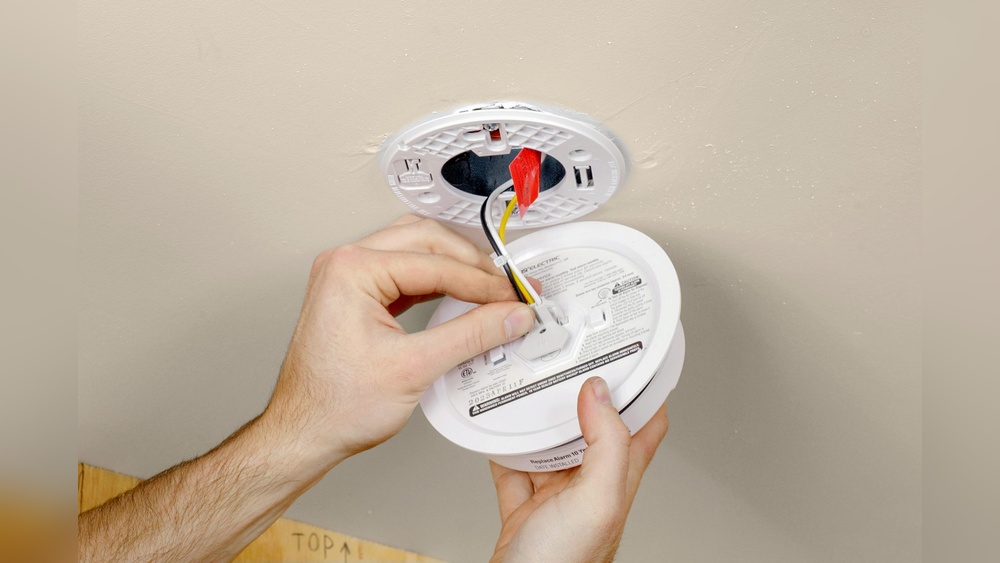

Have you ever wondered how smoke detectors are wired to keep your home safe? Understanding the basics of their wiring can help you ensure your smoke alarms work properly when you need them most.
You’ll discover the simple yet effective way these life-saving devices connect and communicate. By the end, you’ll feel confident checking or even installing smoke detectors yourself, making your home safer for you and your loved ones. Keep reading to learn how this crucial safety system comes together behind the walls.
Types Of Smoke Detectors
Smoke detectors come in different types. Each uses a unique method to detect smoke. Knowing these types helps you choose the best one for your home or office.
Some detectors are better at sensing fast, flaming fires. Others detect slow, smoldering fires early. Many homes use a mix for full protection.
Ionization Smoke Detectors
Ionization smoke detectors work using a small amount of radioactive material. This material ionizes the air inside a sensing chamber. When smoke enters, it disrupts the ion flow. The alarm sounds to warn about fire. These detectors detect fast, flaming fires quickly. They may not sense smoldering fires as well.
Photoelectric Smoke Detectors
Photoelectric smoke detectors use a light source and a sensor. Smoke particles scatter the light, triggering the sensor. These detectors are good at sensing slow, smoldering fires. They may react slower to fast, flaming fires. They cause fewer false alarms from cooking or steam.
Combination Alarms
Combination alarms include both ionization and photoelectric sensors. They provide broader protection against all types of fires. These alarms can detect both fast and slow fires. Many homes use combination alarms for better safety. They offer reliable and balanced fire detection.

Credit: www.youtube.com
Wiring Methods Explained
Understanding how smoke detectors are wired helps keep homes safe. Different wiring methods suit various needs and home setups. Each method has unique features that affect installation and performance.
Hardwired Smoke Detectors
Hardwired smoke detectors connect directly to the home’s electrical system. They use standard wiring and have a battery backup. This backup works during power outages. Hardwired systems provide reliable, continuous power. They often require professional installation due to wiring complexity.
Battery-operated Units
Battery-operated smoke detectors run only on batteries. They are easy to install anywhere in the home. These units do not need wiring or electrical work. Batteries must be replaced regularly for safety. This type offers flexibility but less constant power than hardwired models.
Interconnected Systems
Interconnected systems link multiple smoke detectors together. When one detector senses smoke, all alarms sound. This feature alerts everyone quickly, even in large homes. Interconnection can be wireless or wired. Wired interconnections often use the home’s electrical wiring, with battery backup.
Step-by-step Wiring Process
Wiring smoke detectors correctly is key to home safety. The process involves clear steps that anyone can follow. Each step ensures the detectors work well and alert you in time. Below is the detailed wiring process to help you install smoke detectors safely.
Planning The Layout
Start by choosing where to place each smoke detector. Check local building codes for required locations. Aim for ceilings or high on walls, away from vents and windows. Mark spots so you know where to run wiring. Planning helps avoid mistakes and ensures full coverage.
Running The Electrical Wiring
Turn off the power at the main breaker before starting. Use electrical wire rated for smoke detectors, usually 18 or 20 gauge. Run wires from the power source to each detector location. Keep wires neat and secure with clips or staples. Leave extra wire at each spot for easy connections.
Connecting Detectors In Series
Connect the smoke detectors by linking their wires in a series. Attach the hot wire to the detector’s power terminal. Connect the neutral wire to the neutral terminal. Use wire nuts to join wires securely. This setup allows all detectors to sound if one detects smoke.
Testing The System
Restore power and press the test button on each smoke detector. Ensure the alarm sounds loud and clear. Check that all connected detectors ring at the same time. Fix any loose connections or faulty detectors before finishing. Testing guarantees your system works in an emergency.
Safety Codes And Standards
Safety codes and standards ensure smoke detectors work correctly and protect lives. Proper wiring follows strict rules to avoid faults and hazards. These rules come from trusted organizations and local authorities. Understanding these guidelines helps in installing smoke detectors safely and legally.
National Fire Protection Association (nfpa) Guidelines
The NFPA sets the main rules for smoke detector wiring. Their standard 72 explains how to place and connect detectors. It requires detectors to be interconnected so all alarms sound together. The NFPA also defines power sources and backup battery needs. Following NFPA ensures maximum safety during a fire.
Local Building Codes
Local building codes add specific rules based on the area. They control how many detectors are needed and where to place them. These codes may require special wiring techniques or materials. Always check local codes before installing smoke detectors. Compliance avoids fines and ensures safety within the community.
Electrical Code Compliance
Smoke detector wiring must comply with national electrical codes. The National Electrical Code (NEC) covers wiring methods and circuit requirements. It requires dedicated circuits or proper connections to avoid overloads. Wiring must use approved cables and follow grounding rules. Meeting electrical codes prevents electrical fires and ensures system reliability.
Common Wiring Issues
Wiring smoke detectors may seem simple but often faces common issues. These problems can stop detectors from working properly. Fixing wiring issues ensures your safety and peace of mind. Understanding these common problems helps you spot and solve them fast.
Loose Connections
Loose connections cause smoke detectors to lose power or stop working. Wires can become loose during installation or over time. A loose wire breaks the electrical path. This stops the detector from receiving power. Check all wire connections carefully. Secure wires tightly in their terminals. Regular checks can prevent this problem.
Incorrect Polarity
Smoke detectors need correct polarity to work well. Polarity means connecting positive and negative wires properly. Reversing wires can stop the detector from operating. It may also cause false alarms or no alarms. Always match wire colors with the instructions. Double-check polarity before finalizing the setup. Proper polarity keeps your smoke detector reliable.
Power Supply Problems
Power supply issues are a major cause of detector failure. Smoke detectors need steady power from batteries or wiring. Dead or weak batteries cause detectors to beep or fail. Wiring problems like breaks or shorts can cut power. Use fresh batteries and test them regularly. Inspect wiring for damage or wear. A good power supply keeps smoke detectors active and ready.
Credit: help.aartech.ca
Maintenance Tips For Wired Smoke Detectors
Wired smoke detectors play a vital role in home safety. Proper care ensures they work well when needed. Regular maintenance keeps your system reliable and responsive.
Regular Testing
Test your wired smoke detectors once a month. Press the test button until the alarm sounds. This confirms the detector is active and alert. Don’t skip this step. It’s quick and easy but very important.
Battery Replacement
Wired detectors often have backup batteries. Replace these batteries every six months. Use the type recommended by the manufacturer. A fresh battery keeps the alarm working during power outages.
Cleaning And Inspection
Dust and debris can block smoke sensors. Clean detectors gently with a soft brush or vacuum. Check for any damage or loose wires. Make sure the detector is firmly attached to the ceiling or wall.
Advanced Features In Modern Smoke Detectors
Modern smoke detectors have many advanced features that improve home safety. These features make smoke detectors smarter and more reliable. They also help homeowners respond faster to fire hazards.
These improvements come from better wiring and technology inside the detectors. The new features connect smoke detectors to other devices and systems. This connectivity enhances their function beyond just sounding an alarm.
Smart Connectivity
Smart connectivity allows smoke detectors to link with smartphones. Users get alerts on their phones if smoke is detected. This feature works through Wi-Fi or Bluetooth. It helps monitor safety even when away from home. Some detectors can update automatically for better protection.
Voice Alerts
Voice alerts make warnings clearer and easier to understand. Instead of just a loud beep, detectors speak specific messages. They can say “Fire detected” or “Evacuate now.” This helps people react quickly and calmly. Voice alerts reduce confusion during emergencies.
Integration With Security Systems
Integration lets smoke detectors connect with home security systems. When smoke is detected, alarms trigger security cameras and lights. This setup improves overall home safety. It can also notify security companies for faster emergency response. Integration makes the whole system work together smoothly.

Credit: www.researchgate.net
Frequently Asked Questions
How Are Smoke Detectors Typically Wired In Homes?
Smoke detectors are usually wired in series or interlinked systems. This allows all units to sound an alarm when one detects smoke, enhancing safety throughout the home. Hardwired detectors connect to the home’s electrical system with battery backup.
What Is The Difference Between Hardwired And Battery Smoke Detectors?
Hardwired detectors connect directly to home power and have battery backups. Battery detectors operate solely on batteries. Hardwired types provide continuous power and interconnected alarms, while battery types are easier to install but require regular battery changes.
Why Are Interconnected Smoke Detectors Important?
Interconnected smoke detectors alert all units simultaneously. If one detects smoke, every alarm sounds, ensuring prompt warning throughout the property. This feature increases safety, especially in larger homes or multi-story buildings.
Can Smoke Detectors Be Wired Without Professional Help?
Basic smoke detector wiring can be DIY if you understand electrical safety. However, professional installation is recommended to ensure code compliance and proper interconnection. Incorrect wiring risks malfunction or false alarms.
Conclusion
Wiring smoke detectors correctly keeps your home safe. It ensures alarms work together and alert you fast. Knowing basic wiring helps you install or check detectors. Use the right wires and follow instructions closely. Test your system regularly to catch any problems early.
Stay prepared to protect your family from fire risks. Simple steps make a big difference in safety. Keep your smoke detectors wired and working well. Safety starts with smart, careful wiring choices.