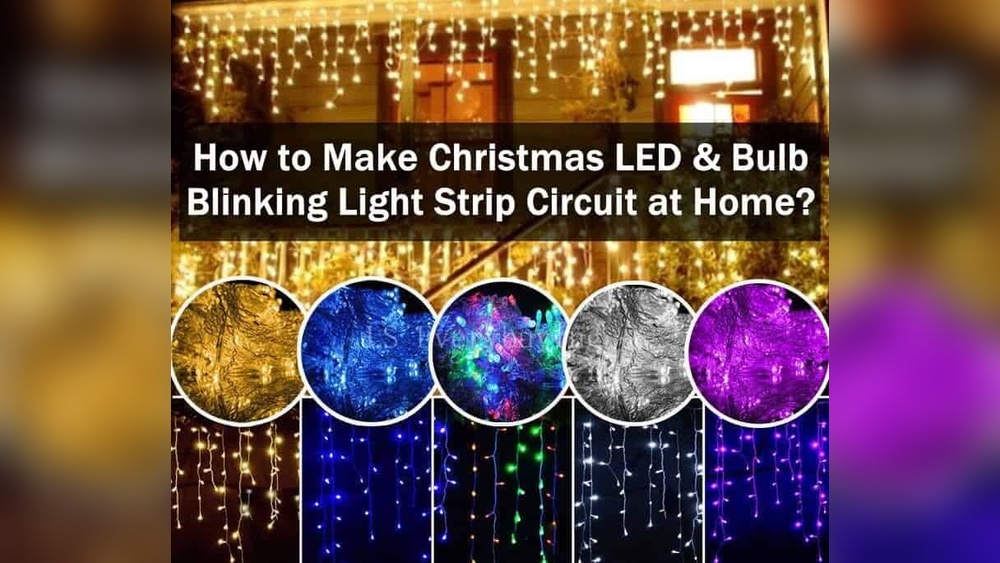

Do you want to add a magical touch to your space with LED string lights that flash just the way you like? Whether it’s for a party, holiday decoration, or simply to brighten up your room, making your LED string lights flash can instantly create an exciting atmosphere.
You might think it’s complicated or expensive, but it’s easier than you imagine. You’ll discover simple, effective ways to make your LED string lights flash, even if you’re new to DIY projects. Keep reading to unlock the secrets that will bring your lights to life and make your space truly stand out!
Choosing The Right Led String Lights
Choosing the right LED string lights is key to making them flash effectively. Not all LED lights have the same features or power needs. Picking the right type ensures your lights flash as you want. This section helps you understand what to look for in LED string lights.
Types Of Led String Lights
LED string lights come in many forms. Some have tiny bulbs, others larger. Some lights are made for indoor use, others for outdoors. Certain types include built-in flashing modes. Choose lights that fit your space and flashing needs.
Features That Support Flashing
Some LED lights have built-in controllers. These let you change flashing speed and patterns. Look for features like adjustable flash modes or remote control. Lights without these features may need extra equipment to flash.
Power Sources And Compatibility
LED string lights can run on batteries, USB, or plug-in power. Battery-powered lights are easy to move but may run out fast. Plug-in lights offer steady power but need an outlet. Choose lights with power sources matching your setup. Check if the flashing feature works with the power type.

Credit: www.amazon.com
Basic Flashing Techniques
Making LED string lights flash adds a lively touch to any space. Basic flashing techniques let you control the light patterns easily. These simple methods work with most LED string lights. You do not need special tools or skills.
Try these easy ways to make your lights flash and brighten up your room or party.
Using Built-in Flash Modes
Many LED string lights have built-in flash modes. These modes change how the lights blink or pulse. Find the control button on the light’s battery pack or plug. Press the button to cycle through different flash settings. Each press switches to a new pattern. Stop when you find the one you like. This method is quick and requires no extra parts.
Manual On-off Switching
Manual switching is the simplest way to create flashing lights. Turn the lights on and off quickly by using the power switch. You can do this by hand or with a remote if available. Adjust the speed of flashing by changing how fast you toggle the switch. This technique gives you full control over the flash timing. It is great for custom light shows or fun effects.
Battery Removal And Reconnection
Removing and reconnecting the battery can reset the light’s flash pattern. Open the battery compartment carefully. Take out the batteries for a few seconds. Put them back and close the compartment. The lights may start flashing in a different mode. This trick works if the lights do not have a mode button. It also helps fix minor glitches in the flashing function.
Diy Flashing Circuits
DIY flashing circuits let you make LED string lights blink with simple electronics. You can create patterns and control the speed of the flashes. These circuits work by turning the LED lights on and off rapidly.
Building your own circuit saves money and adds a fun challenge. It also helps you learn basic electronics. The parts are easy to find and can be put together quickly.
Simple Timer Circuits
Simple timer circuits use a few parts to flash LED lights. A common component is the resistor and capacitor. These parts create a time delay for turning the lights on and off. The speed of flashing depends on the values of these parts. You can change them to make the lights blink faster or slower.
Using A 555 Timer Ic
The 555 timer IC is popular for flashing LED lights. It is a small chip that controls timing accurately. Connect the LED, resistor, and capacitor to the 555 IC. This setup makes the LED blink in a steady pattern. The 555 timer is easy to use and reliable. It allows you to adjust the blinking speed by changing the capacitor or resistor.
Adding A Transistor For Control
A transistor can help control more LEDs at once. It acts like a switch that handles higher power. Connect the transistor to the 555 timer output and the LED string. The transistor turns the LEDs on and off based on the timer signal. This setup protects the timer chip and lights up more LEDs safely.

Credit: www.amazon.com
Microcontroller Methods
Microcontroller methods offer great control over LED string lights. These tiny computers allow precise flashing and effects. They let you customize how your lights blink, flash, and dance. Using microcontrollers, you can turn simple string lights into a visual show.
Programming An Arduino
Arduino boards are popular microcontrollers. They are easy to program and use. Write simple code to control each LED’s behavior. Connect your LED string to the Arduino pins. Upload the code to make the lights flash on and off. Arduino uses a language similar to C++, but simpler.
Controlling Flash Speed
Change the flash speed by adjusting delay times in the code. Short delays create fast blinking lights. Longer delays make slower flashes. You can set different speeds for each LED or group. Experiment with timing to find the best effect for your space.
Creating Patterns And Effects
Patterns add style and fun to your LED lights. Program sequences like chasing lights or fading effects. Use loops and arrays in the code for repeating patterns. Combine colors and speeds for unique displays. Microcontrollers allow endless creativity with simple commands.
Using Flash Controllers And Modules
Using flash controllers and modules is a simple way to make LED string lights flash. These devices control the light patterns without complex wiring. You can easily change how your lights blink or flash with a small controller. Many controllers come with preset modes and speed options. Modules add more control and customization to your setup.
Commercial Flash Controllers
Commercial flash controllers are ready-to-use devices made for LED lights. They plug directly into your light string or power source. Most models support different flashing patterns like strobe, fade, or blink. Some come with remote controls for easy adjustments. These controllers are affordable and user-friendly for beginners.
Connecting Modules To Lights
Modules connect between your LED string lights and power supply. You usually plug the lights into the module’s output port. The module then controls the power flow to make lights flash. Some modules require simple wiring, while others use plug-and-play connectors. Always check the voltage and compatibility before connecting.
Customizing Flash Settings
Flash controllers and modules allow you to customize flashing speed and pattern. Use buttons or switches to select your preferred mode. Some advanced models have apps or software for detailed control. You can set fast or slow flashes and mix different patterns. Custom settings make your lights unique for any event or decoration.

Credit: electronics.stackexchange.com
Troubleshooting Common Issues
Troubleshooting is key when LED string lights do not flash as expected. Problems can come from different parts of the setup. Identifying the exact cause helps fix the issue fast. This saves time and keeps your lights shining bright. Below are common issues and how to solve them.
Lights Not Flashing Properly
Check the controller settings first. Sometimes the flash mode is off or set too slow. Reset the controller or try different modes. Look for broken bulbs or loose connections in the string. Replace any damaged bulbs to restore flashing.
Power Supply Problems
Verify the power source is working. Use a different outlet or power adapter to test. Low voltage or weak batteries cause dim or no flashing. Make sure the power supply matches the lights’ requirements. Secure all plugs and wires to avoid power loss.
Circuit Malfunctions
Inspect the wiring for visible damage. Broken circuits stop the lights from flashing. Use a multimeter to check for electrical continuity. Repair or replace faulty wires or circuit boards. Avoid bending or twisting wires to prevent future issues.
Safety Tips For Diy Projects
Working on LED string lights can be fun and rewarding. Safety must come first in every DIY project. Small mistakes can cause big problems. Follow simple safety tips to keep yourself safe and protect your lights.
Handling Electrical Components
Always turn off power before touching wires or circuits. Use tools with insulated handles to avoid shocks. Check wires for damage before starting. Never touch wires with wet hands. Keep your workspace dry and clean.
Avoiding Overheating
Do not overload your circuit with too many lights. Use the correct voltage power supply for your LED string. Give your lights space to breathe. Avoid placing lights near flammable materials. Turn off lights when not in use.
Proper Insulation Practices
Cover all wire connections with electrical tape or heat shrink tubing. Make sure no bare wires are exposed. Insulation prevents short circuits and shocks. Use weatherproof materials if lights are outside. Check insulation regularly for wear and tear.
Frequently Asked Questions
How Do I Make Led String Lights Flash Quickly?
To make LED string lights flash quickly, use a flashing controller or a remote with speed settings. Adjust the speed until you get the desired flash rate. Some lights have built-in modes to change flashing speed easily.
Can I Use A Timer To Make Led Lights Flash?
Yes, a timer can control when LED string lights turn on and off. However, for flashing effects, use a dedicated flashing controller or smart plug with lighting modes for better control.
What Type Of Led String Lights Flash By Default?
Many LED string lights come with built-in flashing or twinkling modes. Look for “twinkle” or “flash” features on the packaging or product description to find lights that flash automatically.
Are Flashing Led String Lights Safe To Use Indoors?
Yes, flashing LED string lights are safe indoors if they have proper certification. Always check for UL or CE marks and ensure they are rated for indoor use to avoid hazards.
Conclusion
Making LED string lights flash is simple and fun. Choose the right controller or use a timer for easy flashing. Experiment with different patterns to find what you like best. Flashing lights add charm to any space or event. With a little effort, you can create beautiful effects quickly.
Try these tips to brighten your home or party. Enjoy the warm glow and lively flashes every time.