
Are your LED string lights refusing to turn on just when you need them most? It’s frustrating, isn’t it?
You’ve checked the plug and the switch, but still, no glow. Before you toss them out or buy new ones, there’s good news: you can often fix them yourself. You’ll discover simple, step-by-step solutions that anyone can follow. Keep reading, because by the end, you’ll know exactly how to bring your LED string lights back to life and light up your space again.
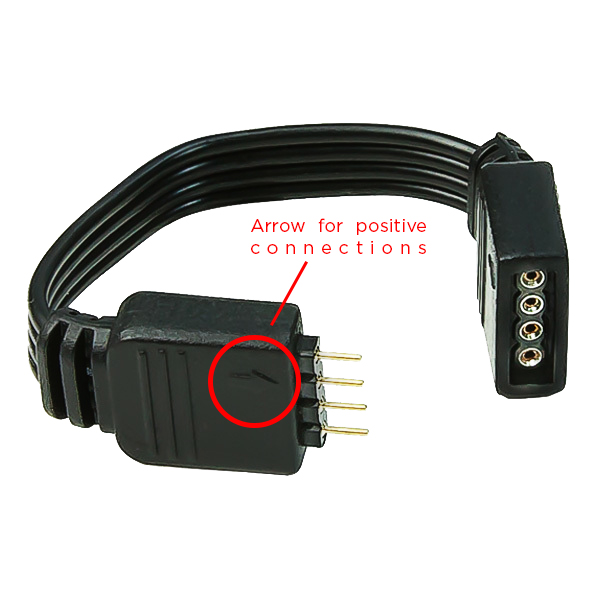
Credit: blog.1000bulbs.com
Common Reasons Led String Lights Fail
LED string lights often fail to turn on due to common issues. These problems stop the lights from working properly. Knowing the usual causes helps fix the problem quickly. Check each part carefully to find the fault.
Power Source Issues
The power source is the first thing to check. A loose plug or faulty outlet can stop the lights. Make sure the plug fits well and the outlet has power. Try another outlet to see if the lights work there. Sometimes, the power switch on the string lights is off. Always check the switch before moving on.
Damaged Wires
Wires carry power to all bulbs. If wires are broken, the lights won’t turn on. Look closely for cuts, bends, or worn spots in the wire. Damaged wires can cause short circuits or no power flow. Replace or repair wires carefully to restore the lights.
Faulty Bulbs
One bad bulb can stop the whole string. LED bulbs can burn out or break. Check each bulb and replace any that are dark or cracked. Use bulbs made for your light string to avoid problems. Sometimes, bulbs are loose and need tightening.
Blown Fuses
LED string lights often have fuses for safety. A blown fuse blocks electricity and stops the lights. Find the fuse box, usually in the plug. Open it and check the fuse for damage. Replace the fuse with one that matches the size and rating.

Credit: www.instyleled.co.uk
Tools Needed For Repairs
Fixing LED string lights requires the right tools. These tools help you find the problem quickly. They also make repairs safer and easier. Keep these tools ready before starting your repair.
Multimeter
A multimeter checks electrical flow in the lights. It shows if power reaches each bulb. This tool helps spot broken wires or bulbs. Use it to test voltage and continuity.
Electrical Tape
Electrical tape insulates wires after repair. It keeps wires from touching and causing shorts. Use it to cover exposed wires safely. It also protects against moisture and dirt.
Replacement Bulbs
Replacement bulbs fix burnt-out or broken lights. Keep spare bulbs that match your string lights. Swap out bad bulbs to restore brightness. Check your light set for the correct type.
Wire Cutters
Wire cutters trim damaged or frayed wires. They help remove broken parts cleanly. Use them to strip wire ends before reconnecting. Sharp cutters make repairs neat and safe.
Step-by-step Troubleshooting
Step-by-step troubleshooting helps find the problem with LED string lights. It breaks down the process into simple checks. Follow each step carefully to fix the lights.
Check The Power Outlet
Plug another device into the same outlet. This confirms if the outlet works. Try a different outlet to rule out power issues. Ensure the power switch is on. No power means lights cannot turn on.
Inspect The Plug And Cord
Look closely at the plug for damage or dirt. Check the cord for cuts or breaks. A damaged plug or cord stops electricity flow. Clean the plug contacts gently with a dry cloth. Replace the cord if it looks worn or broken.
Test Each Bulb
Remove each bulb and check if it is loose. Tighten bulbs by gently twisting them in place. Swap bulbs with new ones if available. A single bad bulb can stop the whole string. Test bulbs in a working string to confirm.
Examine The Fuse
Locate the fuse inside the plug or control box. Open the fuse cover carefully. Check if the fuse wire is broken or burnt. Replace the fuse with one that matches the rating. A blown fuse stops the lights from working.
Fixing Common Problems
Fixing common problems with LED string lights helps save time and money. Most issues are easy to spot and fix. This section explains simple steps to get your lights working again quickly.
Replacing Burnt Out Bulbs
Burnt out bulbs often cause LED string lights to stop working. Check each bulb carefully. Look for dark or broken bulbs. Remove the burnt out bulb by twisting it gently. Insert a new bulb of the same type. Make sure it fits well and is secure. Test the string lights after replacing bulbs.
Repairing Damaged Wires
Damaged wires can stop the power flow. Look for cuts, frays, or exposed wires along the string. Use electrical tape to cover small breaks. For bigger damage, cut the wire and strip the ends. Connect the wires with a wire connector or twist them tightly. Cover the connection with electrical tape for safety. Always unplug lights before repairing wires.
Changing The Fuse
The fuse protects your string lights from power surges. Find the fuse holder near the plug. Open it using a small screwdriver or your fingers. Remove the old fuse carefully. Replace it with a new fuse of the same rating. Close the fuse holder securely. This often fixes lights that won’t turn on.
Securing Loose Connections
Loose connections cause interruptions in power flow. Check plugs and sockets for a tight fit. Push plugs firmly into outlets. Inspect connectors between light sections. Reconnect any loose parts firmly. Wiggling the wires can help find loose spots. Keep connections dry to avoid shorts and damage.
Preventing Future Issues
Preventing future issues with LED string lights saves time and money. Proper care keeps the lights bright and working longer. Follow these tips to avoid common problems and enjoy your lights season after season.
Proper Storage Tips
Store LED string lights in a cool, dry place. Avoid damp areas that cause rust or corrosion. Wrap lights loosely to stop wires from tangling or breaking. Use a spool or a box to keep them neat. Proper storage reduces damage and extends light life.
Avoiding Overloading Circuits
Check the power limit of your circuit before connecting lights. Plugging too many lights into one outlet can cause failure. Use multiple outlets or extension cords with proper ratings. Overloaded circuits can blow fuses or damage lights. Keep the load balanced for safe use.
Regular Maintenance
Inspect lights before each use. Look for frayed wires or broken bulbs. Clean dust and dirt gently with a soft cloth. Replace any damaged parts immediately. Regular checks prevent small problems from becoming big issues.
Using Quality Lights
Choose LED string lights from trusted brands. Cheap lights may break easily or waste energy. Quality lights last longer and shine brighter. Invest in durable lights to avoid frequent repairs or replacements.
Credit: ledlightsdirect.com
Frequently Asked Questions
Why Won’t My Led String Lights Turn On?
Check the power source and connections first. Ensure plugs are secure and outlets work. Inspect for damaged wires or bulbs that may cause failure.
How Can I Test Led String Light Bulbs?
Use a multimeter to test each bulb’s continuity. Replace any bulbs that show no continuity or appear burnt out.
What Should I Do If The Fuse Is Blown?
Locate the fuse in the plug. Replace it with the exact same type and rating to restore power safely.
Can Moisture Cause Led String Lights To Malfunction?
Yes, moisture can cause short circuits and corrosion. Keep lights dry and use outdoor-rated lights in wet conditions.
Conclusion
Fixing LED string lights takes patience and a careful check. Start by testing the power source and connections. Replace any broken bulbs or wires you find. Clean dirty contacts to help electricity flow better. Small problems often cause the lights not to turn on.
Follow simple steps, and you can save your lights. Bright, glowing strings are worth the effort. Keep these tips handy for future use. Enjoy your cozy, well-lit space again without extra cost.