
Have you ever needed to disconnect a smoke detector but didn’t know where to start? Whether it’s for maintenance, replacement, or a false alarm, turning off your smoke detector safely is important.
If you’re worried about damaging it or triggering an alert, don’t be. This guide will walk you through simple, clear steps to disconnect your smoke detector quickly and confidently. Keep reading to learn how to protect your home without stress or confusion.
Types Of Smoke Detectors
Smoke detectors come in different types. Each type works in a unique way. Knowing these types helps you handle them safely. It also makes disconnecting them easier.
Battery-powered Models
Battery-powered smoke detectors run only on batteries. They are easy to install anywhere in the house. Changing batteries regularly keeps them working well. Disconnecting means removing the battery. This type is common in older homes or small spaces.
Hardwired Systems
Hardwired smoke detectors connect to the home’s electrical system. They usually have a backup battery for power outages. These detectors often link to each other for wide coverage. To disconnect, turn off the main power first. Then, remove the detector from its base.
Combination Units
Combination units use both hardwiring and batteries. They offer extra safety with two power sources. These models often include carbon monoxide sensors too. Disconnecting requires handling both the power and battery. They are popular in modern homes for full protection.
Safety Precautions Before Disconnecting
Before you disconnect a smoke detector, safety must come first. Smoke detectors protect your home from fire risks. Turning one off without care can cause danger. Follow these steps to keep everyone safe during the process.
Turn Off Power Supply
Switch off the power to the smoke detector at the circuit breaker. This stops any electric shock risk. If the detector runs on batteries only, remove them first. Always check that no power is running to the device.
Inform Household Members
Tell everyone in the home about the smoke detector being off. This prevents panic if the alarm sounds or does not work. Make sure kids and elderly people understand the situation. Safety depends on clear communication.
Prepare Replacement Alarms
Have a new smoke detector ready before disconnecting the old one. This ensures your home stays protected without gaps. Check the new alarm’s batteries and functionality. Replace the old device quickly to keep safety intact.
Tools Needed For Disconnection
Before disconnecting a smoke detector, gather the right tools. Using proper tools makes the job safer and easier. Prepare everything beforehand to avoid interruptions.
Screwdrivers
A screwdriver is essential to remove the smoke detector from its mounting bracket. Most detectors use either a flathead or a Phillips screwdriver. Check your smoke detector to see which type fits best. Using the right screwdriver prevents damage to the device or screws.
Ladder Or Step Stool
Smoke detectors are usually installed on ceilings. A sturdy ladder or step stool helps you reach the detector safely. Choose a height that lets you work comfortably without stretching or standing on tiptoes. Always ensure the ladder or stool is stable before climbing.
Protective Gloves
Wear protective gloves to keep your hands safe. Gloves protect you from dust, debris, and possible sharp edges. They also improve your grip on the smoke detector, reducing the chance of dropping it. Choose gloves that fit well and allow easy movement.
Step-by-step Disconnection Process
Disconnecting a smoke detector safely requires a clear and simple process. Follow the steps carefully to avoid damage or injury. Each step helps ensure the smoke detector is removed correctly. This guide breaks down the process into easy parts.
Locate The Smoke Detector
Find the smoke detector on your ceiling or wall. It usually sits in the hallway or near bedrooms. Make sure you can reach it with a ladder or step stool. Check for any screws or clips holding it in place.
Remove The Cover
Twist or pull the cover gently to open the unit. Some covers have a small tab or latch to press. Do not force it. Removing the cover exposes the battery and wiring inside.
Disconnect Battery
Take out the battery carefully to stop power flow. Some models have a battery pack or a single battery. Remove it to prevent the smoke detector from sounding or working while disconnected.
Detach Wiring
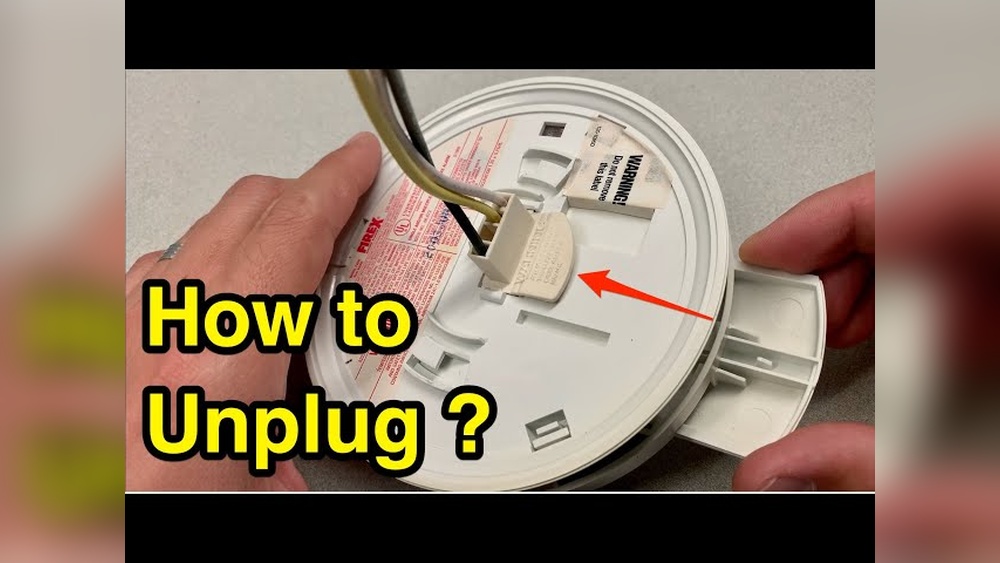
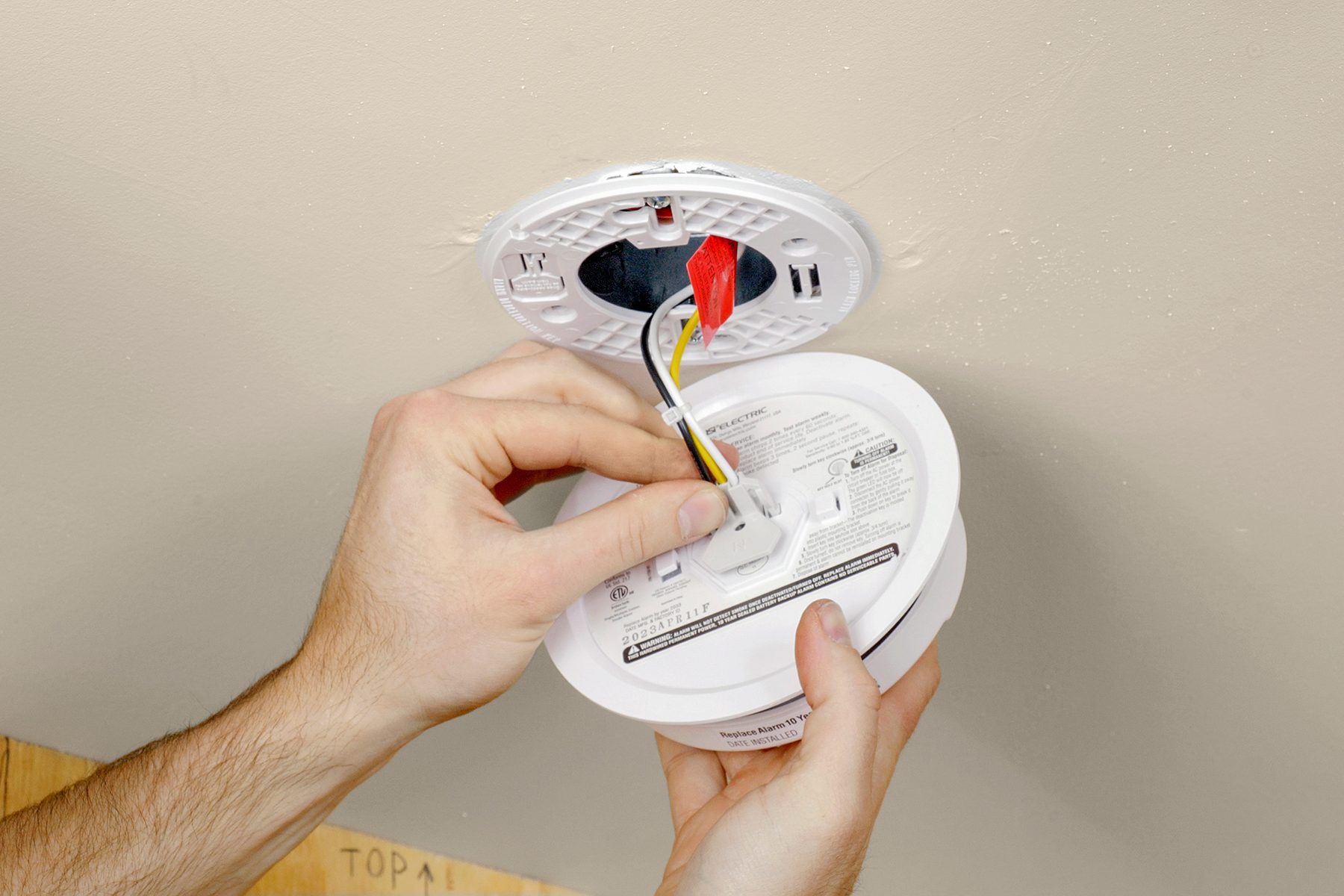
Look for wires connecting the smoke detector to the electrical system. Press the release tab or gently pull the connector apart. Keep track of the wires for future use or reinstallation.
Remove The Unit
Once the battery and wires are disconnected, remove the smoke detector from its base. Twist or pull it away from the mounting bracket. Store or dispose of the unit safely.
Dealing With Hardwired Smoke Detectors
Hardwired smoke detectors connect directly to your home’s electrical system. They have a backup battery but mostly rely on power from the house. Disconnecting them takes more care than battery-only models. Safety is the priority to avoid shocks or damage.
Follow clear steps to safely disconnect a hardwired smoke detector. Turn off the power first. Then handle the wiring correctly. This prevents accidents and keeps your home safe.
Switch Off Circuit Breaker
Locate your home’s circuit breaker panel. Find the breaker that controls the smoke detector. Flip the switch to the off position. This stops electricity to the detector. Double-check by testing the detector’s power.
Disconnect Electrical Connector
Remove the smoke detector from its mounting bracket. Look for the electrical connector attached to the back. Gently press the release tab or pull the connector apart. Avoid pulling wires directly to prevent damage.
Cap The Wires
After disconnecting, cover the wires with wire nuts. Twist the wire nuts securely over each wire end. This stops wires from touching and causing shorts. Use electrical tape for extra safety. Proper capping keeps the wiring safe until further use.
Credit: support.firstalert.com
After Disconnection Care
After disconnecting a smoke detector, proper care is essential to keep your home safe. Smoke detectors work best when all units function well. Taking a few steps ensures your safety and helps maintain your smoke alarm system.
Test Other Detectors
Check all other smoke detectors in your home. Use the test button on each unit. Make sure they beep loudly and clearly. Replace batteries if needed. Regular testing keeps your home protected.
Replace Or Upgrade Units
Old smoke detectors may not work properly. Consider replacing units that are over 10 years old. Newer models have better sensors and longer battery life. Upgrade for improved safety and peace of mind.
Dispose Of Old Detectors Properly
Do not throw old smoke detectors in the trash. Many contain small amounts of radioactive material. Take them to a local recycling center. Follow your area’s rules for safe disposal. This protects the environment and your community.
When To Call A Professional
Knowing when to call a professional is important for safety and proper handling. Smoke detectors can be tricky. Some situations need expert help to avoid damage or accidents. Calling a professional ensures the job is done right and safely.
Complex Wiring Issues
Some smoke detectors have complicated wiring. You may see many wires or unfamiliar connections. Wrong handling can cause electrical problems or fire risks. Professionals understand these systems well. They can disconnect the detector without causing harm.
Multiple Unit Systems
Homes with several interconnected detectors need care. Disconnecting one unit might affect others. This can stop all alarms from working. Experts know how these systems work together. They can fix or disconnect one unit safely.
Uncertain About Safety
Not sure about your safety while disconnecting? Feeling unsure about the process is normal. Smoke detectors involve electricity and fire safety rules. Professionals follow safety standards. They protect you and your home from risks.

Credit: www.youtube.com
Credit: www.familyhandyman.com
Frequently Asked Questions
How Do I Safely Disconnect A Smoke Detector?
Turn off the power at the circuit breaker first. Remove the detector from its mounting bracket. Disconnect the wiring harness or terminals carefully to avoid damage or shocks.
Can I Disconnect A Smoke Detector Without Losing Power?
No, disconnecting a smoke detector usually requires cutting its power source. Always switch off the main power before handling to ensure safety.
When Should I Disconnect A Smoke Detector?
Disconnect a smoke detector when replacing it, testing, or performing maintenance. Never leave it disconnected longer than necessary to maintain safety.
Is It Legal To Disconnect A Smoke Detector?
In most areas, disconnecting a smoke detector is only legal for maintenance or replacement. Permanent disconnection can violate safety codes and laws.
Conclusion
Disconnecting a smoke detector is a simple task when done carefully. Always turn off the power before starting. Remove the detector gently to avoid damage. Keep safety in mind to prevent accidents. Remember to reconnect or replace the detector soon.
Smoke detectors protect your home and family. Taking proper steps keeps everyone safe and sound. Stay cautious and follow instructions well. Safety matters most in every home.