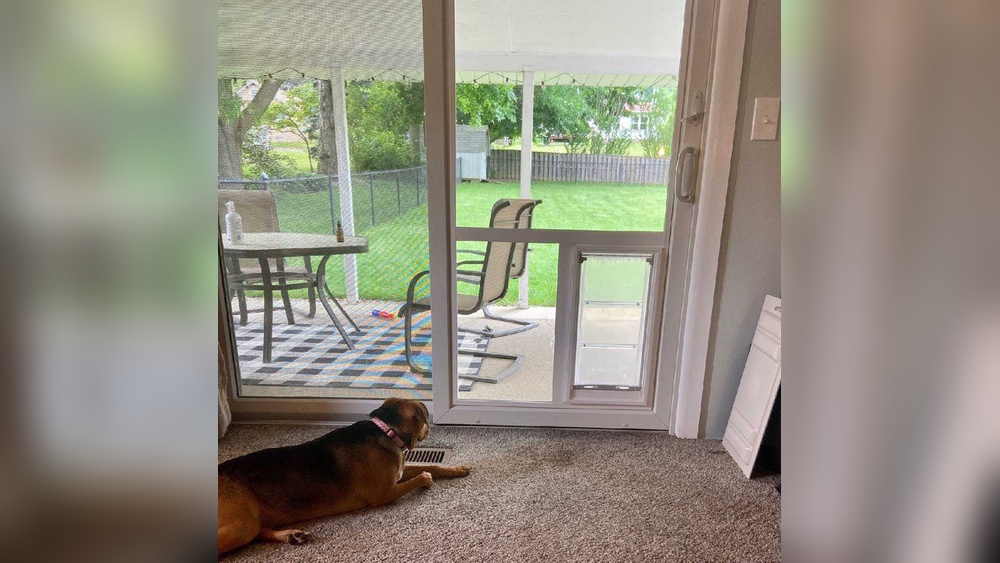

Are you tired of constantly opening the door for your pet every time they want to go outside? Imagine a simple solution that lets your furry friend come and go freely, without letting bugs or dirt inside your home.
Building a pet screen door is easier than you think, and it can save you time and hassle every day. In this guide, you’ll learn step-by-step how to create a durable, pet-friendly screen door that fits your space perfectly. Keep reading to discover how you can improve your pet’s comfort and your home’s convenience with just a few tools and some easy instructions.
Choosing The Right Materials
Choosing the right materials is the first step to build a strong pet screen door. The materials affect how long the door lasts and how safe it is for your pet. Good materials keep bugs out and let fresh air in. They also stand up to your pet’s paws and claws. Pick materials that suit your needs and budget.
Selecting Durable Screen Mesh
Choose screen mesh that is strong and tear-resistant. Fiberglass mesh is common and resists rust well. Pet-resistant mesh is thicker and harder to chew. Aluminum mesh lasts long but can dent easily. Make sure the mesh fits tightly to stop insects from entering.
Picking The Frame Material
The frame holds the mesh and keeps the door firm. Wood frames look nice but may warp with weather. Aluminum frames are light and resist rust. Vinyl frames need little care and are weatherproof. Pick a frame that fits your door size and style.
Essential Tools And Supplies
Gather basic tools before starting the project. You will need a measuring tape, scissors, and a screwdriver. A staple gun helps attach the mesh tightly. Sandpaper smooths wooden frames. Use strong screws and hinges for durability.
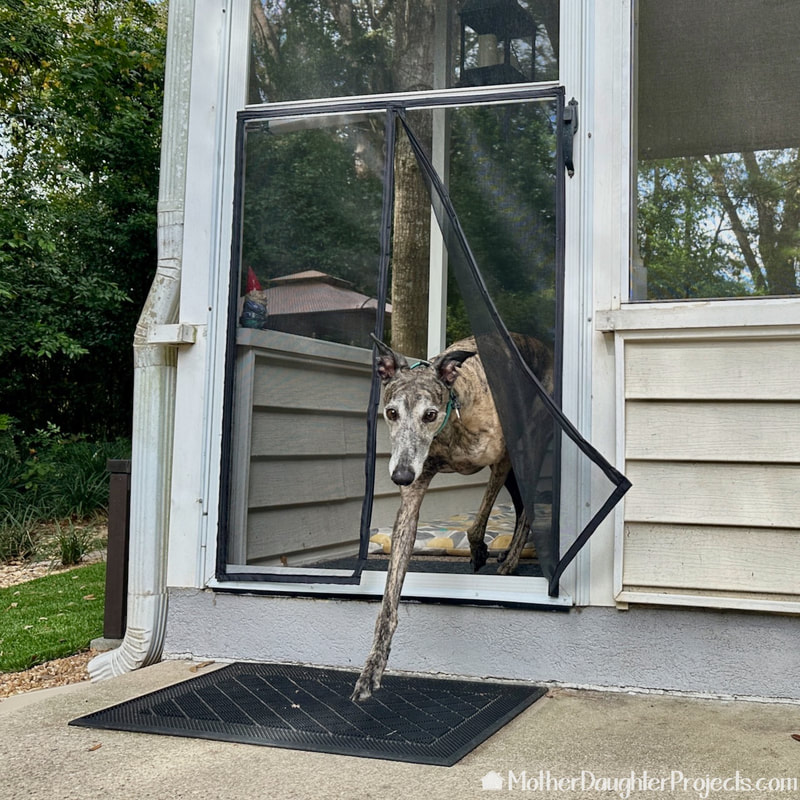
Credit: www.vanganzewinkelnatuursteen.com
Measuring And Planning
Measuring and planning are the first steps in building a pet screen door. These steps ensure the door fits well and works for your pet’s needs. Taking time here saves effort later.
Taking Accurate Door Dimensions
Measure the door frame carefully. Use a tape measure and note the height and width. Check the door frame at the top, middle, and bottom. Use the smallest measurement for the best fit. Write down all numbers. This prevents mistakes when cutting materials.
Designing For Pet Size And Behavior
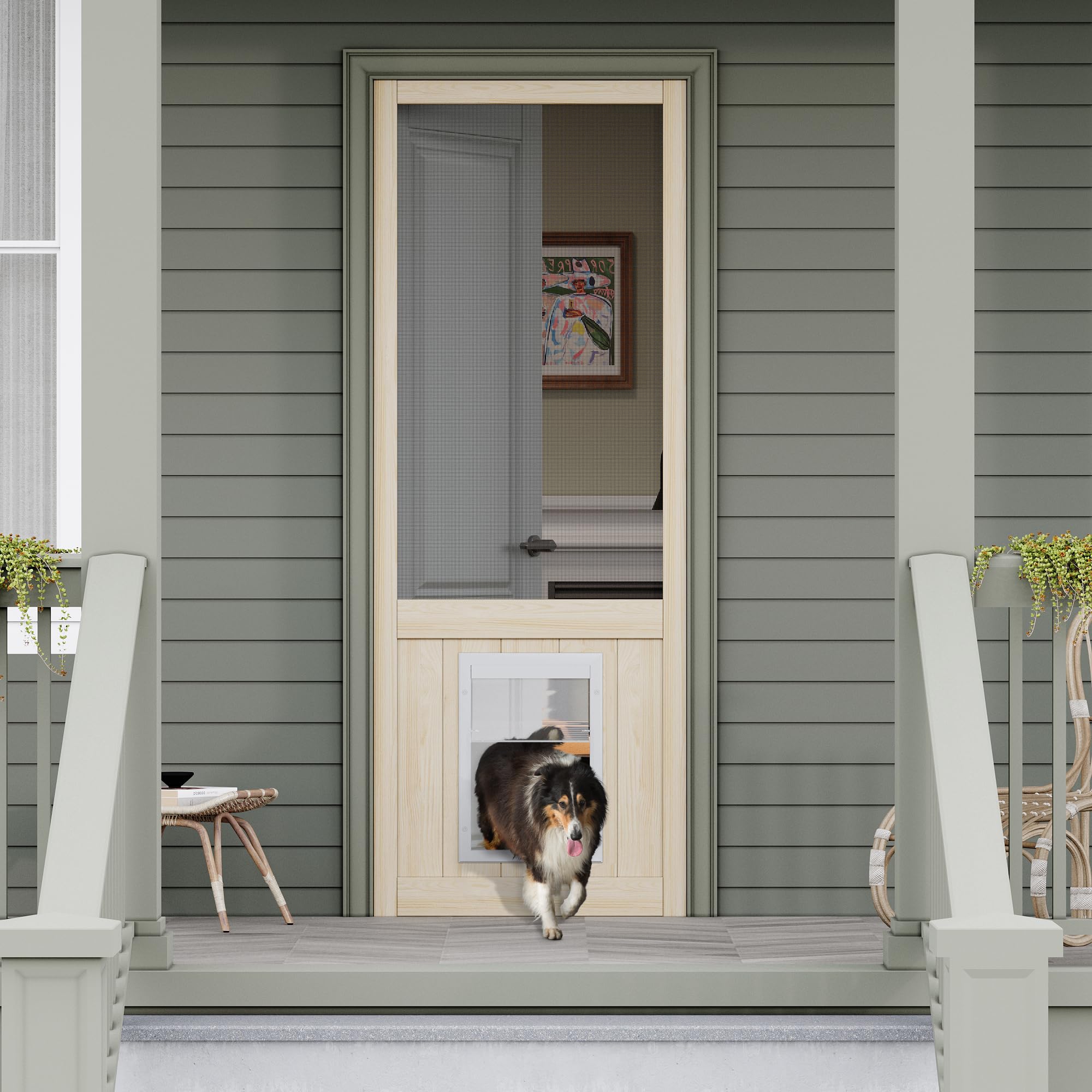
Think about your pet’s size. The door opening must be big enough for your pet to pass easily. Small pets need smaller openings, while large pets need bigger ones. Consider your pet’s behavior too. Active pets might need a stronger frame. Calm pets may not need extra features.
Planning For Door Placement
Choose where the pet door will go. Pick a spot your pet uses often. Make sure the location is safe and easy to reach. Avoid areas with heavy foot traffic. Also, check for obstacles like furniture or steps. This planning helps your pet use the door comfortably.
Building The Frame
Building the frame is an important step in making a pet screen door. The frame holds everything together and makes the door strong. A well-built frame keeps the screen tight and lasts longer. Take your time and follow each step carefully for a good result.
Cutting Frame Pieces To Size
Start by measuring the door opening carefully. Use a tape measure to get exact width and height. Mark these measurements on your frame wood pieces. Use a saw to cut the wood to the right size. Cut straight lines to make sure the frame fits well.
Assembling The Frame Joints
Lay the cut pieces on a flat surface. Join the corners using wood glue for extra hold. Use nails or screws to fasten the joints firmly. Check that the corners form perfect right angles. Keep the frame square to avoid problems later.
Sanding And Finishing The Frame
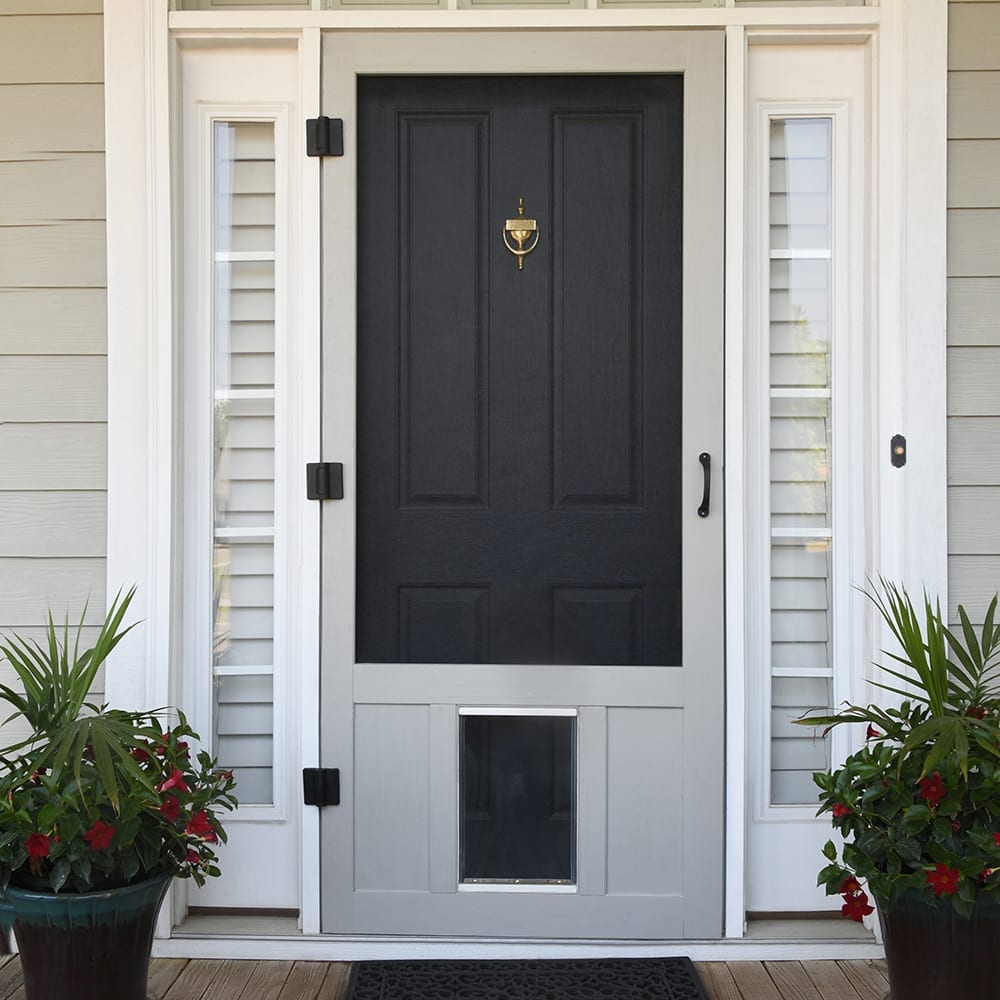
Use sandpaper to smooth all edges and corners. Sanding removes rough spots and splinters. Wipe the frame with a clean cloth to remove dust. Apply paint or wood finish to protect the frame. This step helps the frame last longer outdoors.
Credit: www.screentight.com
Attaching The Screen
Attaching the screen is an important step in building a pet screen door. The screen keeps bugs out and lets fresh air in. It must be tight and secure to last long. Follow these simple steps to attach your screen perfectly.
Stretching The Screen Mesh
Start by laying the screen mesh flat over the door frame. Pull the screen gently but firmly. Make sure it is tight and smooth. Avoid wrinkles or sagging in the mesh. A tight screen lasts longer and looks neat.
Securing The Screen To Frame
Use a staple gun or small nails to fix the screen. Place staples every few inches along the frame. Press the screen against the frame while stapling. Check that the mesh stays tight and flat. Secure all edges carefully to stop the screen from loosening.
Trimming Excess Material
After securing the screen, trim the extra mesh with scissors. Cut close to the staples but be careful not to cut the secured screen. A clean edge helps the door look finished. Removing excess mesh also stops fraying and damage.
Installing The Door
Installing the pet screen door is a key step in your project. This stage needs careful attention to make sure the door works well. Proper installation helps the door open and close smoothly. It also keeps your pet safe and happy. Follow these steps to install the door correctly.
Mounting Hinges And Hardware
Start by attaching the hinges to the door frame. Use screws that fit the hinges tightly. Hold the door in place while you mark hinge spots. Drill pilot holes to avoid wood splitting. Secure the hinges firmly to the door and frame. Check that the door swings freely without resistance.
Ensuring Proper Door Alignment
Make sure the door lines up with the frame edges. Adjust the hinges if the door sits crooked. The door should close evenly without gaps. Use a level to check vertical and horizontal alignment. Proper alignment stops drafts and keeps insects out. Test the door several times before final tightening.
Adding Latches And Handles
Choose easy-to-use latches and handles for your pet door. Attach the latch so it locks securely but opens smoothly. Position the handle at a comfortable height for you. Use screws that hold the latch and handle firmly. Test the latch and handle several times. They should work without sticking or jamming.
Credit: www.liftingitalia.com
Enhancing Durability
Enhancing durability is key to building a pet screen door that lasts. Strong materials and smart design keep the door working well. A durable door protects your home and your pet. This section covers ways to make your pet screen door tough and long-lasting.
Reinforcing Weak Points
Focus on areas that get the most stress. Corners and edges often wear out first. Use metal brackets or extra wood for support. Attach screen mesh firmly to avoid tearing. Reinforce the latch and hinges for better strength. Small fixes here prevent big damage later.
Weatherproofing Techniques
Protect the door from rain, wind, and sun. Use waterproof paint or sealant on the frame. Choose a rust-resistant screen mesh made of aluminum or fiberglass. Add weatherstripping to block drafts and moisture. These steps keep the door stable and prevent decay.
Regular Maintenance Tips
Check the door often for signs of wear. Tighten screws and replace loose parts quickly. Clean the screen gently to avoid damage. Remove dirt and debris that cause wear. Lubricate moving parts to keep the door smooth. Routine care extends the door’s life greatly.
Frequently Asked Questions
What Materials Are Needed For A Pet Screen Door?
You need a screen frame, mesh screen, hinges, screws, and a latch. Choose durable materials for longevity and safety.
How Do I Measure My Door For A Pet Screen?
Measure the door’s width and height precisely. Allow extra space for hinges and frame adjustments.
Can I Install A Pet Screen Door Myself?
Yes, with basic tools and instructions, DIY installation is doable. Follow safety guidelines for best results.
How To Ensure The Pet Door Is Secure And Safe?
Use strong mesh and secure latches. Check for gaps and ensure the door closes tightly.
Conclusion
Building a pet screen door can be simple and fun. Follow each step with care for best results. Choose materials that fit your pet and door size. Measure twice, cut once. Make sure the door swings smoothly and fits well.
Your pet will enjoy fresh air and safety. A good screen door keeps bugs out and pets in. Try this project to add comfort to your home. Enjoy the process and the final result.