
Your safety depends on a working smoke detector, and the battery is a key part of that. Even if your smoke detector is hardwired, the backup battery needs regular replacement.
But how do you change the battery without causing any damage or leaving your home unprotected? You’re about to learn simple, clear steps that anyone can follow to keep your smoke detector reliable. Keep reading to make sure you never miss a beat when it comes to your home’s safety.
Credit: www.homedepot.com
Safety Precautions
Changing the battery in a hardwired smoke detector requires care. Safety is the top priority to avoid electric shock or damage. Follow simple steps to protect yourself and your home.
Turn Off Power Supply
Start by switching off the power at the circuit breaker. This stops electricity from flowing to the smoke detector. Double-check by pressing the test button. The alarm should not sound. This confirms the power is off and it is safe to proceed.
Gather Necessary Tools
Prepare all tools before starting. You will need a ladder, a screwdriver, and a new battery. Use the correct battery type listed in the smoke detector manual. Keep tools close to avoid leaving the ladder often. This keeps you safe and efficient.
Locate Your Smoke Detector
Finding your hardwired smoke detector is the first step in changing its battery. Most homes have these detectors installed in key areas. Knowing where to find them helps you act fast when needed.
Hardwired smoke detectors usually connect directly to your home’s electrical system. They often have a small backup battery inside. Locating the device allows you to check and replace this battery safely.
Identify Hardwired Models
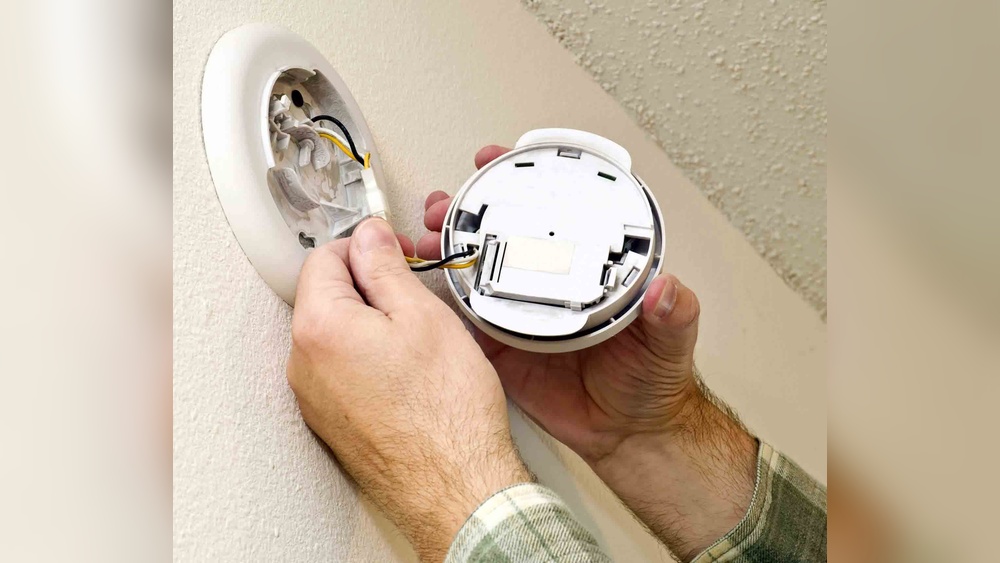
Hardwired smoke detectors have wires coming out from their base. These wires connect to your home’s power supply. The device usually stays fixed on the ceiling or high on a wall.
Look for a detector with a test button and a battery door. The presence of wires and a backup battery slot means it is hardwired. This model is different from battery-only detectors.
Accessing The Detector
Use a sturdy ladder to reach the smoke detector. Make sure the ladder stands firmly on the floor. Avoid standing on unstable furniture or objects.
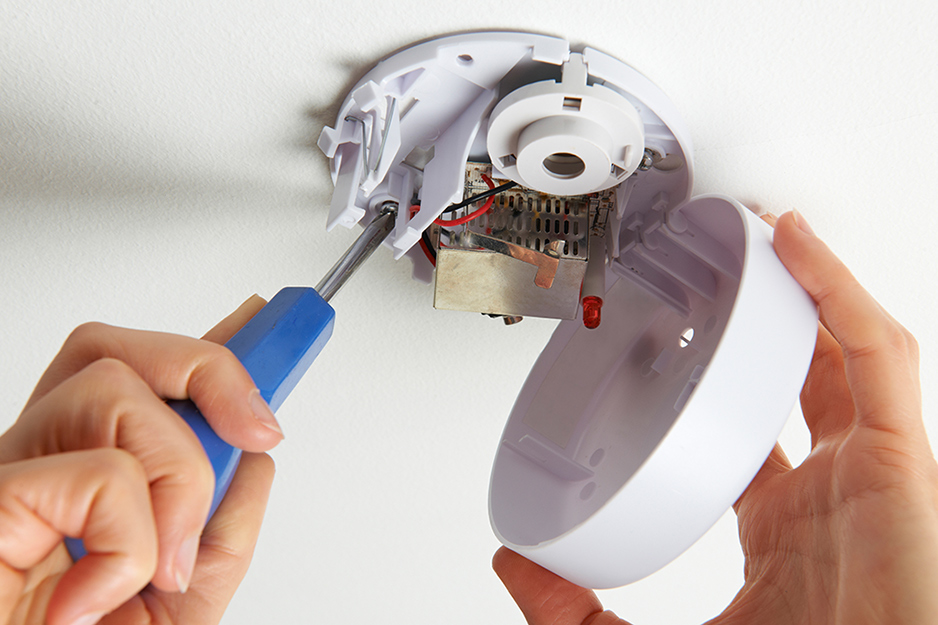
Most hardwired detectors twist off or have clips holding them. Turn the detector counterclockwise or gently pull it down. Be careful not to damage the wires or the device itself.
Once detached, you will see the battery compartment. Open it to check the battery type and condition. This step prepares you to replace the battery safely and correctly.
Remove The Smoke Detector
Removing the hardwired smoke detector is the first step to change its battery. Handle the device carefully to avoid damage. Follow simple steps to safely detach the detector from the ceiling or wall.
Take your time. This process is quick and easy with the right approach.
Release The Detector From Mount
Locate the mounting base of the smoke detector. Hold the base firmly with one hand. Twist the detector counterclockwise to unlock it. Gently pull the detector away from the mount. Avoid using too much force to prevent breaking the device.
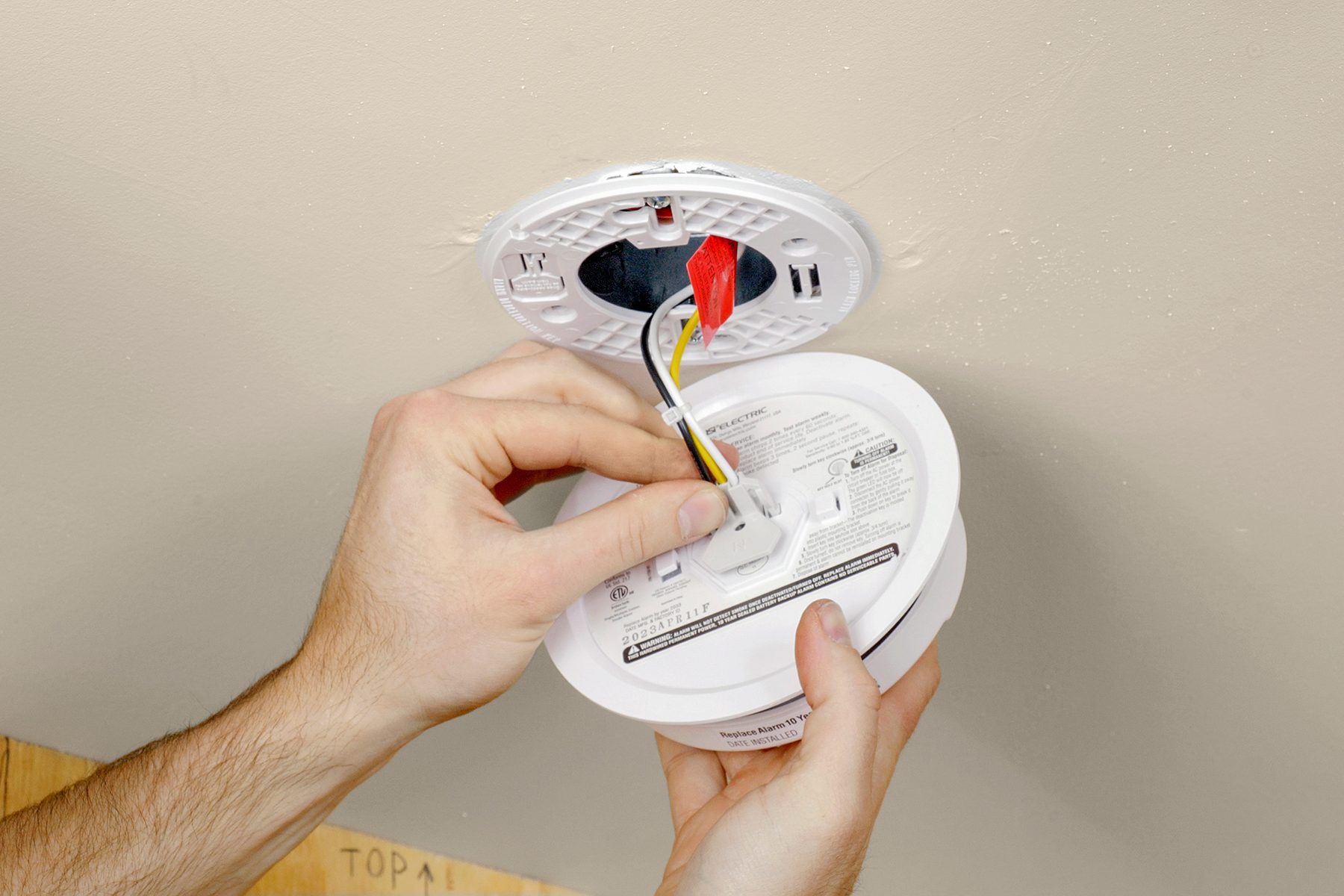
Disconnect Wiring Harness
Look for the wiring harness connected to the back of the detector. Press the release tab on the connector. Carefully pull the wiring harness apart from the detector. Keep wires secure to prevent damage during battery replacement.
Credit: www.familyhandyman.com
Replace The Battery
Replacing the battery in a hardwired smoke detector keeps it working well. This step is key to ensure your home stays safe. The battery acts as a backup power source during outages. Knowing how to replace it is simple and important.
Remove Old Battery
First, turn off the power to the smoke detector. Open the detector’s cover gently. Locate the battery inside the device. Carefully pull out the old battery from its slot. Dispose of the battery properly. Avoid touching metal parts inside the detector.
Select Correct Replacement
Check the battery type printed on the old battery. Most hardwired detectors use 9-volt batteries. Buy the exact battery type needed. Using the wrong battery can damage the detector. Always choose a fresh, high-quality battery for best results.
Install New Battery
Insert the new battery into the slot. Match the positive and negative ends correctly. Close the detector cover securely. Restore power to the smoke detector. Press the test button to check if it works. A beep sound means the battery is installed well.
Reattach The Smoke Detector
After replacing the battery, it is important to reattach the smoke detector properly. This step ensures the device works correctly and stays secure on the ceiling or wall. Follow these simple steps to reconnect and secure your smoke detector safely.
Reconnect Wiring Harness
Carefully reconnect the wiring harness to the smoke detector. Align the connector pins and push the plug firmly into place. This connection supplies power from your home’s electrical system. Check that the wires are snug and not loose. A proper connection prevents false alarms and keeps the detector functioning.
Secure Detector To Mount
Place the smoke detector back on its mounting bracket. Twist or click it into position, depending on the model. Make sure it is tight and does not wobble. A secure fit keeps the detector stable during daily activities. Test the detector by pressing the test button to confirm it works well.
Test The Smoke Detector
Testing the smoke detector is a key step after changing its battery. It ensures the device works properly to keep your home safe. A proper test confirms the alarm can detect smoke and alert you in time. Follow these simple steps to test your hardwired smoke detector.
Restore Power
After replacing the battery, restore power to the smoke detector. Turn the circuit breaker back on if you switched it off earlier. This step powers the smoke detector and allows it to operate normally.
Perform Function Test
Press the test button on the smoke detector. Hold it for a few seconds until you hear a loud alarm. The sound shows the detector is working well. If there is no sound, check the battery and power again. Repeat the test until the alarm sounds clearly.
Maintenance Tips
Maintaining your hardwired smoke detector ensures it works properly and keeps your home safe. Regular upkeep can prevent false alarms and extend the device’s life. Simple steps can make a big difference in safety and performance.
Regular Battery Checks
Check the backup battery every six months. A weak battery can cause the alarm to beep. Replace the battery even if the alarm seems fine. Use the correct battery type recommended by the manufacturer. Testing the alarm after battery replacement confirms it works.
Cleaning The Detector
Dust and debris can block the smoke sensor. Clean the detector gently with a soft brush or vacuum. Avoid using water or cleaning sprays. Keep vents and openings clear to ensure proper airflow. Regular cleaning helps the alarm detect smoke faster.

Credit: annarborwithkids.com
Frequently Asked Questions
How Do I Safely Change A Hardwired Smoke Detector Battery?
Turn off power at the circuit breaker first. Remove the detector from its base. Replace the old battery with a new one. Reattach the detector and restore power. Test the unit to ensure it works properly.
What Type Of Battery Is Used In Hardwired Smoke Detectors?
Most hardwired smoke detectors use a 9-volt or AA lithium battery. Check your device’s manual for the exact battery type. Using the correct battery ensures reliable performance and long-lasting power backup during outages.
How Often Should I Replace The Battery In Hardwired Smoke Detectors?
Replace the battery at least once a year. Some detectors beep when the battery is low. Regular replacement ensures continuous protection against fire hazards. Always test the detector after changing the battery.
Can I Change The Battery Without Professional Help?
Yes, changing the battery is a simple DIY task. Just turn off the power and follow the manufacturer’s instructions. If unsure, consult a professional electrician for safety and proper handling.
Conclusion
Changing the battery in a hardwired smoke detector keeps your home safe. Regular checks help the detector work properly. Always turn off power before starting to avoid shocks. Use the right battery type for the best performance. Test the alarm after changing the battery to ensure it works.
Simple steps can protect your family from fire dangers. Stay safe by keeping your smoke detectors in good shape.