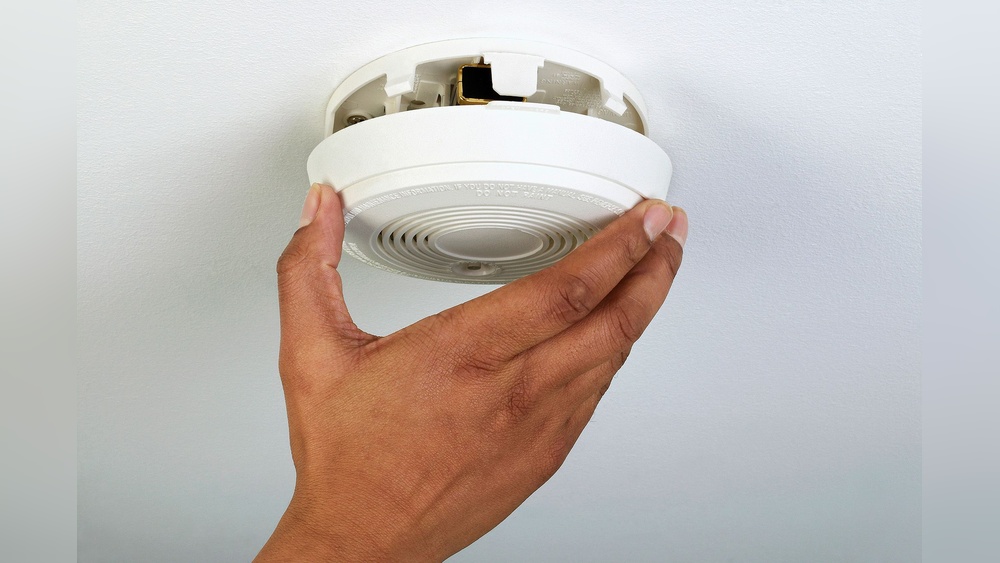

Have you ever wondered if your smoke detectors are really ready to protect you and your loved ones? Knowing how often you should test these life-saving devices can make all the difference in an emergency.
If you’re not sure when to check them or how to keep them working perfectly, you’re not alone. This article will guide you step-by-step on the simple routine you can follow to ensure your smoke detectors are always alert and ready.
Keep reading to discover the easy actions that could save your life.
Credit: www.usfa.fema.gov
Importance Of Regular Testing
Regular testing of smoke detectors saves lives. Smoke detectors warn of fire early. They give time to escape safely. Without testing, detectors may fail silently.
Testing ensures detectors work properly. It checks the battery and sensor function. Faulty detectors give false security. Regular checks prevent this risk.
Detecting Malfunctions Early
Smoke detectors can develop faults over time. Dust, humidity, or battery wear cause issues. Testing finds these problems quickly. Early detection stops failures during emergencies.
Maintaining Battery Life
Smoke detectors rely on batteries. Batteries lose power slowly. Testing reveals weak or dead batteries. Replacing batteries keeps detectors active.
Complying With Safety Rules
Many places require smoke detector testing. Regular tests meet these safety laws. Following rules avoids fines and penalties. It promotes safer homes and workplaces.
Increasing Peace Of Mind
Knowing detectors work brings calm. Testing removes doubt and worry. Families feel safer and protected. Confidence grows with each successful test.

Credit: www.thealarmmasters.com
Recommended Testing Frequency
Testing smoke detectors regularly keeps your home safe. Smoke detectors save lives by alerting you early to fire. Knowing how often to test them is key. Proper testing ensures they work when you need them most.
Monthly Quick Tests
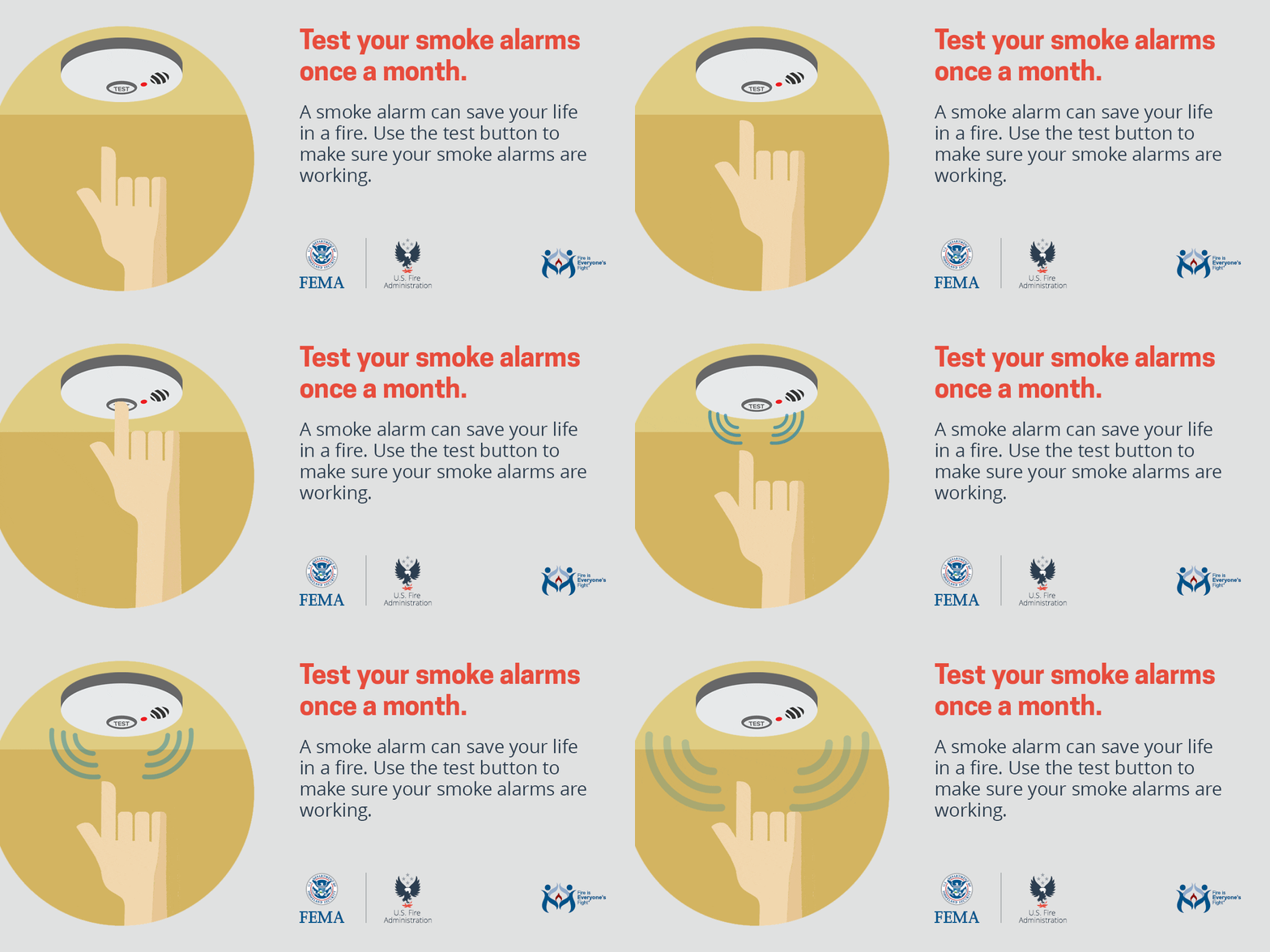
Test smoke detectors every month with a simple button press. This quick check confirms the alarm sound works. It also ensures the batteries have power. If the alarm does not sound, replace the batteries or the unit. Monthly tests keep your detectors ready at all times.
Annual Deep Tests
Perform a full test of your smoke detectors once a year. This involves cleaning the unit to remove dust and debris. Dust can block sensors and reduce sensitivity. Check the manufacturer’s instructions for deep test steps. Replace batteries and units as needed during this test. Annual deep tests keep smoke detectors in top condition.
Signs Your Smoke Detector Needs Attention
Smoke detectors save lives by alerting you to fire early. They must work well at all times. Knowing the signs that your smoke detector needs attention helps keep your home safe. These signs are easy to spot and act on quickly.
Unusual Beeping Patterns
Smoke detectors beep in patterns to give warnings. A single beep every minute usually means low battery. Rapid beeping can signal a fault in the device. Strange or random beeps also point to a problem. Never ignore these sounds. Check your smoke detector right away.
Physical Damage
Look closely at your smoke detector for cracks or dents. Dust or spider webs inside can block sensors. Missing parts or loose connections affect performance. A damaged smoke detector may fail in an emergency. Replace or repair it immediately to stay protected.
Expired Batteries
Batteries lose power over time, even if not used. Most batteries last about one year in smoke detectors. Dead or weak batteries cause false alarms or silence the alarm. Always change batteries yearly or as soon as beeping starts. Use fresh, high-quality batteries for best results.
How To Test Smoke Detectors Properly
Testing smoke detectors correctly keeps your home safe. It ensures alarms work when needed. Regular testing helps find problems early. Learn two simple ways to test your smoke detectors.
Using The Test Button
Most smoke detectors have a test button. Press and hold it for a few seconds. The alarm should sound loudly. If it does, the detector is working. If not, replace the batteries or the unit. Test buttons check the alarm’s sound and power.
Simulating Smoke Tests
Simulating smoke tests check the sensor’s response. Use a smoke detector test spray available in stores. Spray lightly near the detector, not directly on it. The alarm should trigger within seconds. This test mimics real smoke conditions. It confirms the sensor reacts properly. Do this test carefully and in a well-ventilated room.
Maintaining Smoke Detectors For Longevity
Maintaining smoke detectors is key for their long life and reliable work. Regular care helps avoid failures and keeps your home safe. It takes small steps, done often, to keep these devices ready to warn you of danger.
Simple actions can extend the life of your smoke detectors. These steps also ensure they work right every time you need them.
Battery Replacement Tips
Change batteries at least once a year, even if they still seem good. Use the right battery type for your model. Test the smoke detector after changing batteries. Keep spare batteries nearby for quick swaps.
Cleaning And Dusting
Dust and dirt can block smoke sensors. Clean the detectors every six months with a soft brush or vacuum. Avoid using water or cleaners. Keep vents and nearby areas free of dust and cobwebs.
Replacing Old Units
Smoke detectors do not last forever. Replace units every 10 years to keep safety high. Check the manufacture date on the device. Old detectors may fail to detect smoke or give false alarms.
Legal And Insurance Requirements
Smoke detectors save lives. Laws require regular testing to keep them working. Insurance companies also set rules. These rules protect property and lives. Following them helps avoid fines and insurance problems.
Legal Requirements For Smoke Detector Testing
Most regions have laws about smoke detector testing. These laws say how often tests must happen. Usually, testing is required at least once a month. Some places demand written proof of testing. Landlords must ensure detectors work before renting. Failing to test can lead to legal trouble.
Insurance Requirements And Smoke Detector Testing
Insurance companies often require proof of testing. They want to see detectors are working well. Regular testing can lower insurance premiums. Ignoring testing may cause claim denial. Insurers may inspect homes for safety devices. Testing records can speed up claim processes.
Consequences Of Ignoring Legal And Insurance Rules
Not testing smoke detectors risks fines and penalties. Insurance claims may be rejected after fire damage. Property damage costs can rise without coverage. Legal action might follow if laws are broken. Testing helps avoid these serious problems.
Common Mistakes To Avoid
Testing smoke detectors is vital for home safety. Many people make simple errors that reduce detector effectiveness. Avoid these common mistakes to keep your home safe.
Not Testing Smoke Detectors Regularly
Some skip regular tests. Smoke detectors need monthly checks to work properly. Waiting too long puts you at risk.
Ignoring Battery Replacement
Old or dead batteries stop detectors from sounding alarms. Change batteries once a year or when the low battery beep sounds.
Using The Wrong Testing Method
Pressing the test button checks the alarm sound only. It does not test the sensor’s ability to detect smoke. Use smoke test spray for full testing.
Placing Detectors In Wrong Locations
Detectors near windows or vents may not detect smoke well. Install detectors on ceilings or high walls away from drafts.
Neglecting To Clean Detectors
Dust and debris block sensors. Clean detectors gently every six months using a vacuum or soft brush.
Credit: www.palmer-electric.com
Frequently Asked Questions
How Often Should Smoke Detectors Be Tested?
Smoke detectors should be tested at least once a month to ensure they work properly. Regular testing helps detect smoke early and prevents fire hazards.
Why Is Monthly Smoke Detector Testing Important?
Monthly testing ensures batteries and sensors function correctly. It improves safety by alerting you to fire risks promptly.
What Is The Best Way To Test Smoke Detectors?
Press and hold the test button until the alarm sounds. If it doesn’t, replace batteries or the unit immediately.
How Often Should Smoke Detector Batteries Be Replaced?
Replace batteries every 6 to 12 months or when low-battery warnings sound to maintain full detector functionality.
Conclusion
Testing smoke detectors regularly keeps your home safe. Check them once a month to ensure they work well. Replace batteries at least once a year or when needed. Clean detectors to avoid dust buildup that can stop alarms. Remember, a working smoke detector can save lives.
Don’t wait for a problem to test your devices. Stay alert and keep your family protected. Simple steps make a big difference in fire safety. Safety starts with small, regular checks. Keep smoke detectors ready at all times.