When was the last time you checked your smoke detectors? You might think they work forever, but that’s not true.
Knowing how often to replace smoke detectors can be a lifesaver. Your family’s safety depends on it. You’ll discover the simple truth about smoke detector lifespan and learn easy steps to keep your home protected. Don’t wait for an emergency—find out now how to make sure your smoke alarms are ready when you need them most.
Importance Of Smoke Detectors
Smoke detectors save lives. They warn you about fire early. This early warning helps you act fast and stay safe. Many people do not realize their importance until it is too late. Smoke detectors must work properly at all times. Knowing their role and risks of faulty detectors helps protect your home.
Role In Home Safety
Smoke detectors detect smoke before fire spreads. They give you time to leave safely. They alert everyone in the house, day or night. Smoke detectors also notify emergency services in some setups. They reduce the chance of injury and death. Having working detectors is a key part of home safety.
Common Risks Of Faulty Detectors
Old or dead batteries cause smoke detectors to fail. Dust and dirt can block sensors. Faulty detectors do not warn you of fire. This delay can cause serious harm or loss. Many fires happen at night when people sleep. Without a working detector, you might not wake up. Regular checks and replacement reduce these risks.
Recommended Replacement Intervals
Knowing when to replace your smoke detectors keeps your home safe. Smoke detectors lose sensitivity over time. This means they might not detect smoke quickly. Follow recommended replacement intervals to ensure protection. Regular replacement helps avoid false alarms and device failure.
Manufacturer Guidelines
Check the user manual for your smoke detector. Manufacturers usually suggest replacing units every 8 to 10 years. Some models have a built-in expiration date. Follow their specific advice for the best results. Ignoring these guidelines can reduce your safety.
Factors Affecting Lifespan
Several factors can shorten a smoke detector’s life. Exposure to dust, humidity, and extreme temperatures wears them out faster. Frequent false alarms or low battery warnings also signal a need for replacement. Regular cleaning and testing help extend lifespan but don’t replace the need for new units over time.
Signs It’s Time To Replace
Knowing when to replace your smoke detector is vital for safety. Smoke detectors save lives by warning you early. Over time, they wear out and become less reliable. Watch for key signs that your device needs replacing. These signs help prevent failures during emergencies. Stay alert and keep your home protected.
Physical Damage Indicators
Check your smoke detector for cracks or dents. Any physical damage can stop it from working properly. Dust or debris on the sensor can also block detection. Yellowing plastic shows old age and sun damage. Loose parts or missing covers reduce effectiveness. Replace the unit if you see these problems.
Frequent False Alarms
False alarms happen sometimes, but often signals a problem. If your detector alarms without smoke or fire, it may be faulty. This can cause annoyance and reduce trust in the device. Dust inside or aging sensors trigger false alerts. Replacing the detector stops these unnecessary alarms.
Battery Issues
Battery warnings can be more than a simple beep. Constant low-battery signals can mean the detector is old. Some detectors have non-replaceable batteries that last about 10 years. Replacing the battery does not fix an old smoke detector. Change the entire unit if battery problems persist.
Credit: support.firstalert.com
Types Of Smoke Detectors
Smoke detectors come in different types. Each type works in a special way to keep you safe. Knowing the types helps you choose the right one for your home. It also tells you how often to replace them.
Some detectors sense smoke with light. Others use a tiny amount of radiation. There are also newer models with smart features. Let’s explore the main types of smoke detectors.
Ionization Vs Photoelectric
Ionization smoke detectors use a small radioactive source. It detects fast, flaming fires with little smoke. Photoelectric detectors use a light beam. They detect slow, smoldering fires with lots of smoke. Both types save lives but work best for different fires.
Combination Units
Combination units include both ionization and photoelectric sensors. They cover all fire types better than one sensor alone. These units provide more complete protection. They are a smart choice for many homes.
Smart Smoke Detectors
Smart smoke detectors connect to your phone or home network. They send alerts if they detect smoke or low battery. Some models test themselves automatically. Smart features make fire safety easier to manage.
Maintenance Tips To Extend Life
Maintaining smoke detectors is key to keeping them working longer. Proper care helps catch smoke early and saves lives. Simple steps can keep your devices in top shape and avoid costly replacements.
Regular Testing
Test your smoke detectors once a month. Press the test button until you hear a loud beep. This confirms the alarm works well. If it doesn’t sound, fix or replace the unit right away.
Cleaning Procedures
Dust and dirt can block smoke sensors. Wipe the outside with a soft cloth every few months. Use a vacuum with a soft brush to clean vents gently. Avoid spraying cleaners or water on the device.
Battery Replacement
Change batteries at least once a year. Use fresh, high-quality batteries for best results. Replace batteries sooner if the alarm beeps often. Low batteries reduce the detector’s ability to alert you.
Credit: yubanet.com
Upgrading Your Smoke Detectors
Upgrading your smoke detectors is important for keeping your home safe. New smoke detectors work better and have useful features. Old models may not alert you quickly enough. Upgrading means better protection for your family and property.
When To Upgrade
Replace smoke detectors every 10 years. Smoke sensors wear out over time. If your alarm is more than a decade old, it may not work well. Upgrade right away if your detector beeps often or shows signs of damage. New smoke alarms give more reliable alerts.
Choosing Advanced Features
Modern smoke detectors have useful new features. Some models connect to your phone for alerts anywhere. Others combine smoke and carbon monoxide detection. Look for alarms with long-lasting batteries or voice alerts. These features add convenience and safety to your home.
Professional Installation Benefits
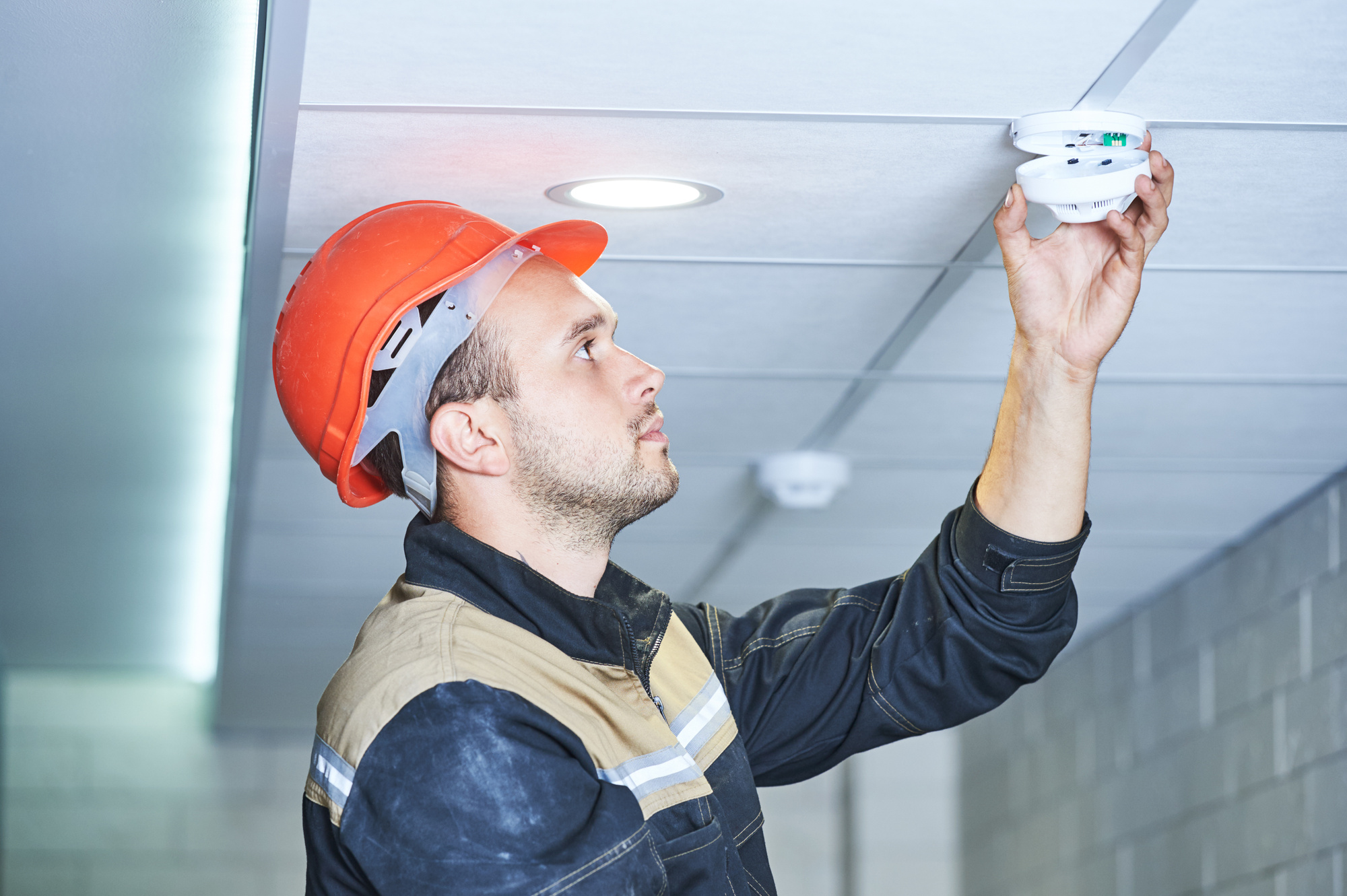
Hiring a professional ensures correct installation. Proper placement is key for early warning. Experts test alarms after installation to confirm they work. They can also recommend the best detectors for your home. Professional help gives peace of mind and better safety.
Safety Practices Beyond Replacement
Replacing smoke detectors is only one part of home fire safety. Many other steps help protect your family. These steps reduce risks and prepare everyone for emergencies. Understanding safety beyond replacement makes your home safer.
Proper Placement
Place smoke detectors in every bedroom and outside sleeping areas. Install one on each floor of your home. Avoid kitchens and bathrooms to prevent false alarms. Mount detectors high on walls or ceilings where smoke rises. Proper placement ensures early warning.
Escape Plan Preparation
Create a clear escape plan for every family member. Identify two ways out of every room. Choose a safe meeting spot outside your home. Practice the plan twice a year. Knowing the plan saves time during emergencies.
Educating Household Members
Teach everyone how smoke detectors work and what to do if they alarm. Explain the sound and importance of quick action. Show children how to stay low to avoid smoke. Make sure all members know emergency phone numbers. Education helps everyone stay calm and safe.
Credit: crispladewfire.com
Frequently Asked Questions
How Often Should Smoke Detectors Be Replaced?
Smoke detectors should be replaced every 10 years. Over time, sensors wear out, reducing effectiveness. Regular replacement ensures reliable fire detection and safety.
Can I Extend Smoke Detector Life With Maintenance?
Regular maintenance like battery changes helps but doesn’t extend overall lifespan. The sensor ages regardless of upkeep. Replace detectors every 10 years for optimal safety.
What Happens If I Don’t Replace Smoke Detectors?
Old smoke detectors may fail to detect smoke. This increases fire risk and delays emergency response. Timely replacement is crucial for home safety.
How To Know When Smoke Detectors Need Replacement?
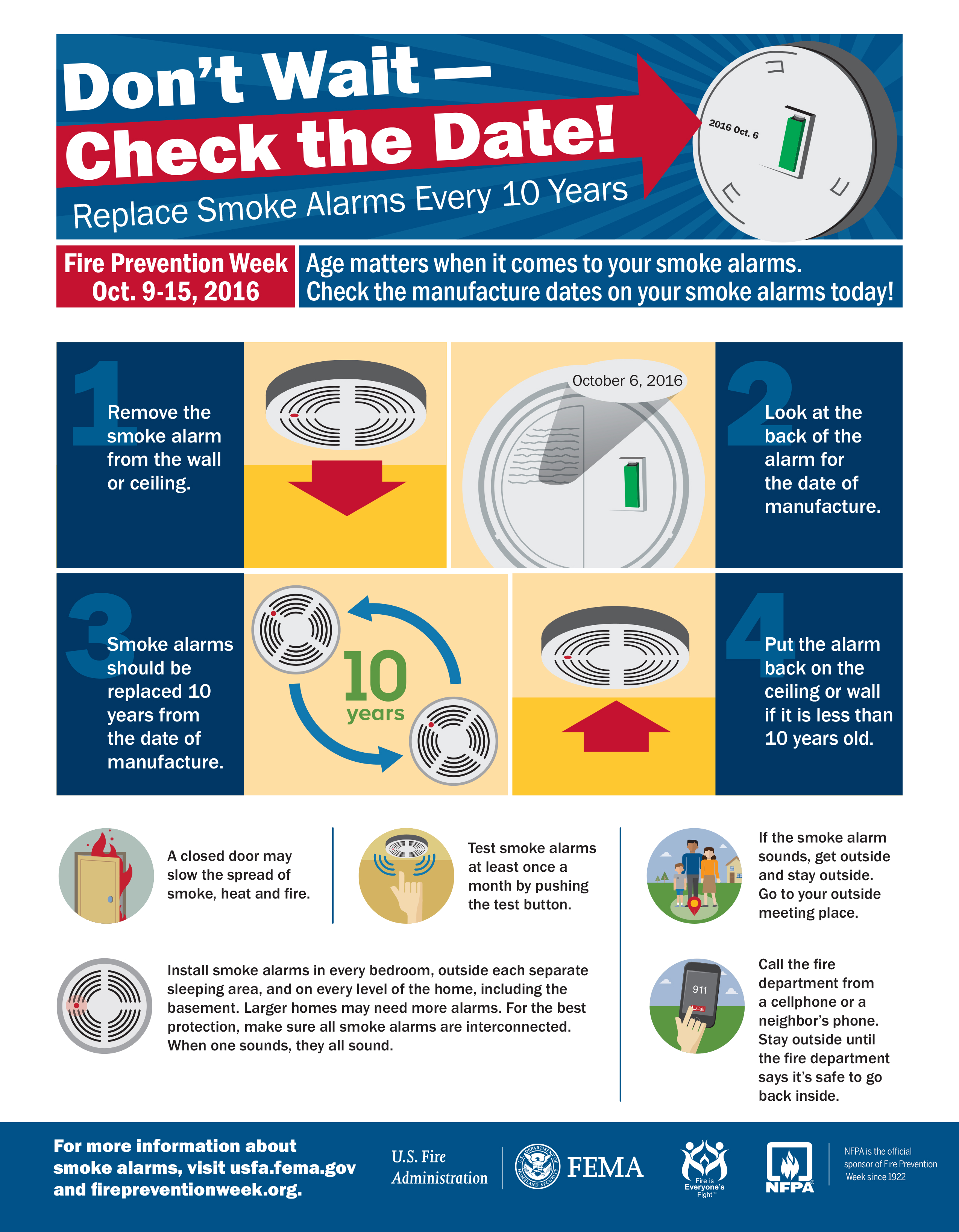
Check the manufacture date on the device. If it’s over 10 years old, replace it immediately. Frequent false alarms or no response signal sensor failure.
Conclusion
Smoke detectors save lives by warning of fire early. Replace them every 10 years for best safety. Test alarms monthly to ensure they work well. Change batteries once a year or when low. Clean detectors regularly to keep dust away.
Old or faulty alarms may not alert you. Stay safe by following these simple steps. Don’t wait for a problem to check your alarms. Protect your home and loved ones today. Safety starts with a working smoke detector.