
Wiring smoke detectors might sound tricky, but it’s one of the smartest steps you can take to protect your home and loved ones. Imagine having a system that instantly alerts you to danger, giving you precious time to act.
You might wonder, “How do I wire smoke detectors correctly? ” This guide will walk you through simple, clear steps to make sure your smoke alarms work together perfectly. By the end, you’ll feel confident setting up a safety net that keeps your home secure.
Ready to learn how to do it right? Let’s get started.
Types Of Smoke Detectors
Smoke detectors come in different types, each with its own way to protect your home. Knowing these types helps you choose the right one. Some run on batteries, while others connect to your home’s power. Some even combine both features for extra safety.
Battery-powered Models
Battery-powered smoke detectors are easy to install. They do not need wires or special tools. These models work during power outages because they rely on batteries. You should check the batteries regularly to keep them working well. They are a good choice for renters or small spaces.
Hardwired Systems
Hardwired smoke detectors connect directly to your home’s electrical system. They often have a battery backup for emergencies. These systems can link multiple detectors together. When one detects smoke, all alarms sound. Installation requires some electrical knowledge or a professional. They provide reliable, continuous protection.
Combination Detectors
Combination smoke detectors include both smoke and carbon monoxide sensors. They warn you about smoke and dangerous gas. These detectors often come hardwired with battery backup. They save space by combining two devices in one. This type offers broader safety for your home and family.

Credit: www.alarmgrid.com
Tools And Materials Needed
Wiring smoke detectors requires a few essential tools and materials. Having the right items makes the job easier and safer. Each tool and material has a specific purpose in the installation process. Prepare all items before starting the wiring.
Basic Tools
You need a screwdriver set for screws and mounting plates. A wire stripper helps remove insulation from wires cleanly. A voltage tester checks if wires have electricity. Pliers are useful for bending and twisting wires. A drill may be necessary for making holes in walls or ceilings.
Electrical Components
Smoke detectors come with specific wiring kits. Use electrical wire suitable for your home’s system, usually 14 or 12 gauge. Wire nuts connect wires safely and prevent shorts. Electrical tape offers extra insulation for wire connections. A junction box might be needed to hold wire connections securely.
Safety Gear
Wear safety glasses to protect your eyes from debris. Use insulated gloves to avoid electric shocks. A dust mask helps when drilling into ceilings or walls. Have a sturdy ladder to reach high spots safely. Good lighting ensures clear visibility during installation.
Planning Your Smoke Detector Setup
Planning your smoke detector setup is the first step to protect your home. A well-planned system helps detect fires early and alerts everyone fast. It requires careful thinking about where to place detectors, following safety rules, and choosing how they will connect. Proper planning makes your home safer and your setup easier to install.
Choosing Locations
Place smoke detectors near bedrooms and hallways. These areas are where people sleep and need the most protection. Avoid kitchens and bathrooms because steam can cause false alarms. Install detectors on every floor, including the basement and attic. Mount them on the ceiling or high on the wall. Keep them away from windows and vents to avoid drafts.
Compliance With Codes
Follow local building and fire codes for smoke detector installation. These rules ensure your system meets safety standards. Codes may require specific detector types and locations. Check for guidelines about wiring and power sources. Using code-approved devices helps your system work correctly and can be required for insurance.
Interconnection Options
Smoke detectors can connect in two main ways: hardwired or wireless. Hardwired detectors share the same power source and sound alarms together. Wireless detectors link through radio signals without wiring. Interconnected alarms alert the whole house if one detects smoke. Choose the type that fits your home’s wiring and budget.
Step-by-step Wiring Process
Wiring smoke detectors correctly is vital for home safety. The process is straightforward when broken into clear steps. Follow each part carefully to ensure your system works well. Proper wiring connects all detectors, making sure they alert you in time.
Turning Off Power
Start by switching off the power at the circuit breaker. This step stops any electric shock risk. Use a voltage tester to confirm power is off. Safety first before touching any wires.
Running Electrical Wiring
Run electrical cables from the power source to each smoke detector. Use 14-3 or 12-3 wire, depending on local codes. Secure the wiring along walls or ceilings neatly. Avoid sharp bends to prevent damage.
Connecting The Detector
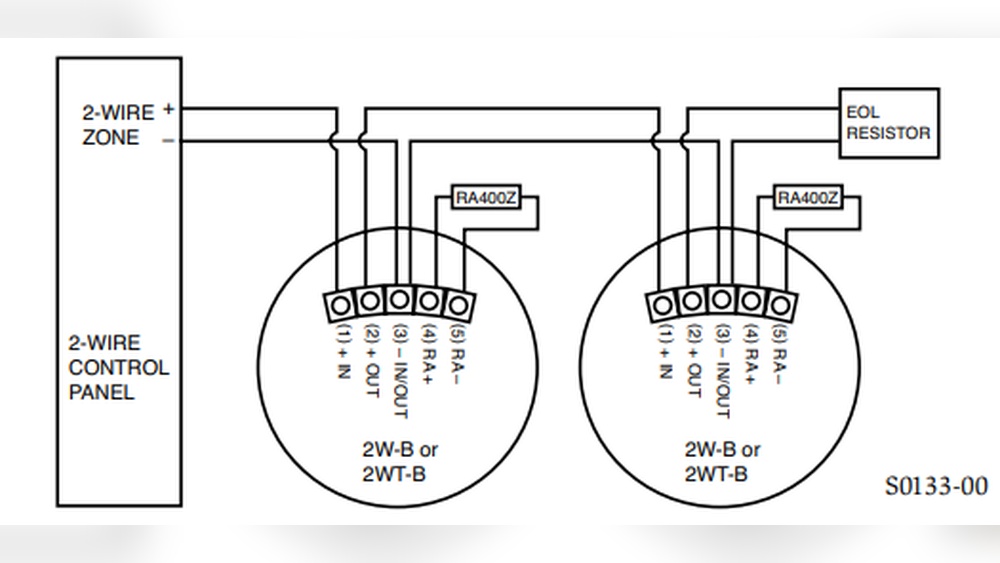
Strip the wire ends and connect them to the smoke detector terminals. Match black to black (hot), white to white (neutral), and the red wire for interconnection. Use wire nuts to secure connections tightly. Attach the detector to its mounting bracket.
Testing The System
Turn the power back on at the breaker. Press the test button on each smoke detector. Listen for the alarm sound to confirm proper operation. Test interconnection by triggering one detector and hearing others respond.
Common Wiring Mistakes To Avoid
Wiring smoke detectors correctly is essential for safety. Many people make simple mistakes that cause problems. These errors can stop the detectors from working or cause false alarms. Avoiding common wiring mistakes helps keep your home safe and your system reliable.
Incorrect Polarity
Polarity means connecting wires to the right terminals. Smoke detectors have positive and negative wires. Reversing these wires stops the detector from working. Always match the wires to their correct terminals. Check the manual for proper polarity before wiring.
Improper Connections
Loose or poor connections can cause power loss. Wires should be tightly connected with wire nuts or terminals. Avoid twisting wires without proper connectors. Bad connections can lead to false alarms or no alarms at all. Double-check each connection before finishing.
Overloading Circuits
Too many detectors on one circuit can overload it. Overloading causes breakers to trip or wires to heat up. Spread detectors across different circuits if needed. Check the circuit’s capacity before adding more devices. This prevents electrical hazards and keeps detectors working well.

Credit: www.support.getzooz.com
Maintaining Your Smoke Detectors
Maintaining your smoke detectors is key to keeping your home safe. Regular care helps the device work properly. It alerts you early to dangers like fire and smoke. Without maintenance, detectors may fail when you need them most. Small steps ensure your smoke alarms stay reliable and effective.
Regular Testing
Test your smoke detectors every month. Press the test button until the alarm sounds. This confirms the device works correctly. Never skip this quick check. It helps find problems early, so you can fix them fast.
Battery Replacement
Change the batteries twice a year. Use fresh batteries recommended by the manufacturer. Low batteries cause false alarms or no alarm at all. Replace batteries immediately if the alarm beeps often. Keep extra batteries in your home for quick swaps.
Cleaning Tips
Dust and dirt block smoke sensors. Clean your smoke detectors every six months. Use a soft brush or vacuum cleaner on low power. Avoid spraying cleaners or water directly on the device. Clean detectors stay sensitive and reliable for longer.
:max_bytes(150000):strip_icc()/install-hardwired-smoke-detectors-1152329-08-7adda3e3f25b408ca859f1f792f626e3.jpg)
Credit: www.thespruce.com
Frequently Asked Questions
How Do You Wire Smoke Detectors Together?
To wire smoke detectors together, connect them in parallel using the interconnect wire. This allows all units to sound simultaneously. Follow the manufacturer’s wiring diagram carefully. Use proper connectors and ensure power is off during installation for safety.
Can You Wire Smoke Detectors Without An Electrician?
Yes, you can wire smoke detectors yourself if you have basic electrical skills. Turn off power before starting. Follow the instructions carefully and use proper tools. If unsure, consult a professional electrician to ensure safety and code compliance.
What Type Of Wire Is Used For Smoke Detectors?
Typically, 18-gauge, 2 or 3 conductor wire is used for smoke detectors. The wire must be rated for in-wall use. It connects the detectors to power and interconnects them for simultaneous alerts.
Why Do Smoke Detectors Need To Be Interconnected?
Interconnecting smoke detectors ensures all alarms sound during a fire. This provides early warning throughout the building, improving safety. It is often required by building codes for multi-level homes.
Conclusion
Wiring smoke detectors helps keep your home safe. Follow the steps carefully to avoid mistakes. Always turn off power before starting the work. Use the right tools and materials for the job. Test each detector after installation to ensure it works.
Regular checks make sure your system stays reliable. Protect your family by having working smoke alarms. Stay safe and confident with proper wiring. Simple steps can save lives in emergencies.