
Have you ever needed to remove a smoke detector but weren’t sure how to do it safely? Whether you’re replacing old batteries, upgrading your system, or dealing with a false alarm, knowing the right steps can save you time and frustration.
In this guide, you’ll discover simple, clear instructions to remove your smoke detector quickly and without hassle. Keep reading, and you’ll feel confident handling this task like a pro—no confusion, no stress.
Tools Needed
Removing a smoke detector requires the right tools to make the task safe and easy. Having these tools ready saves time and avoids damage. Prepare all items before starting the removal process. This helps you stay organized and focused.
Basic Tools List
You need a few simple tools to remove a smoke detector. A screwdriver is the most important tool. Most smoke detectors use either a flathead or a Phillips head screwdriver. A ladder or step stool helps you reach the detector safely. Keep a small container nearby to hold screws or small parts. A pair of needle-nose pliers may be useful to disconnect wires gently.
Safety Gear
Wear safety gear to protect yourself during the removal. Safety glasses shield your eyes from dust and debris. Use gloves to avoid touching dust or electrical parts. A dust mask helps prevent inhaling any particles. Always turn off the power at the circuit breaker before starting. This step avoids electric shocks and keeps the work safe.
Credit: support.firstalert.com
Preparing For Removal
Preparing to remove a smoke detector ensures safety and ease. Taking the right steps avoids accidents and damage. Follow simple instructions before starting the removal process.
Power Off The Circuit
Turn off the power to the smoke detector at the circuit breaker. This stops electricity and prevents shocks. Confirm the power is off by testing the detector or nearby lights. Safety first. Never remove a smoke detector while it is powered.
Check Smoke Detector Type
Identify the type of smoke detector before removal. Some models are battery-operated, while others are hardwired into your home’s electrical system. Battery detectors are easier to remove. Hardwired models may need extra care and tools. Knowing the type helps plan the correct removal method.
Step-by-step Removal
Removing a smoke detector is simple when you follow clear steps. Safety is key. Always turn off the power if the detector is wired. This guide helps you take the smoke detector down safely and easily.
Removing The Cover
Start by gently twisting or pressing the cover. Most covers either twist off or snap open. Be careful not to break the plastic. If you feel resistance, check for screws holding the cover.
Once open, you can see the inside parts. This step gives access to the battery and wiring.
Disconnecting The Battery
Find the battery inside the detector. It usually sits in a small compartment. Pull out the battery carefully. This stops the smoke detector from sounding. If the battery is sealed, look for a tab to release it.
For hardwired detectors, locate the battery backup and remove it. Removing power prevents electric shock and false alarms.
Detaching The Unit From The Ceiling
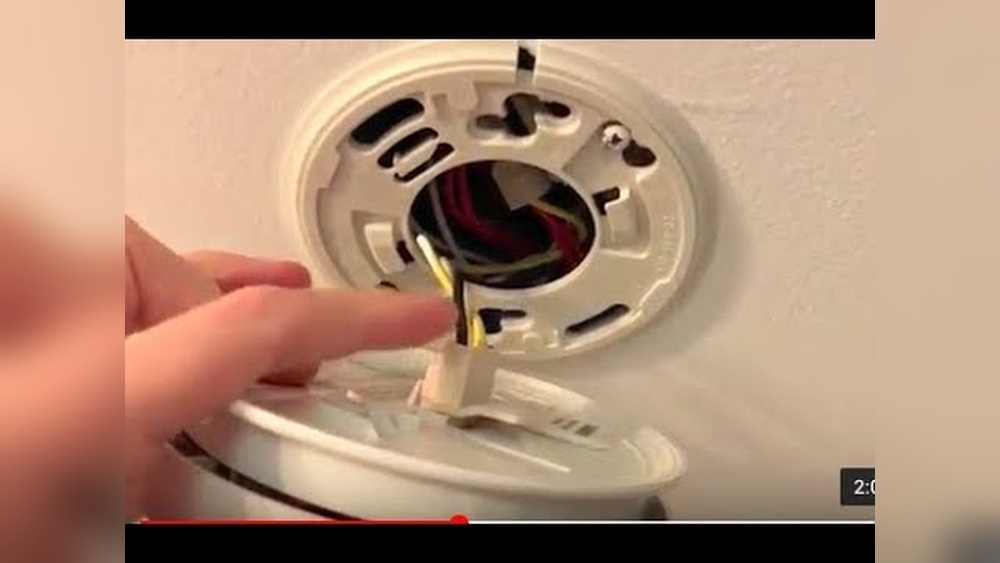
Look for the mounting bracket holding the detector. Most units twist or slide off the bracket. Hold the base firmly and turn counterclockwise. Some models have a small release clip to press.
Once loose, gently pull the smoke detector away from the ceiling. For wired models, disconnect the wires by pressing the release tab or gently pulling the connector.

Credit: www.youtube.com
Handling Wired Smoke Detectors
Handling wired smoke detectors requires care and attention. These devices connect directly to your home’s electrical system. Removing one safely means working with electricity. Always prioritize safety to avoid shocks or damage.
Follow clear steps to turn off power, disconnect wiring, and secure loose wires. Each step is important for a safe removal process.
Turning Off Power At The Breaker
Locate your home’s electrical panel. Find the breaker that controls the smoke detector circuit. Switch it off to cut power. This step is crucial. It stops electricity flow and keeps you safe.
Test the smoke detector by pressing the test button. If it does not beep, the power is off. Never skip this test.
Disconnecting The Wiring
Remove the smoke detector cover or base. Look for the wiring harness. Gently pull the connector apart. Do not pull on wires directly. Use steady hands to avoid damage.
Keep track of wire colors. This helps if you plan to install a new detector later. Take pictures or label wires for easy reference.
Securing The Wiring
Once disconnected, the wires remain exposed. Twist wire nuts onto each wire end. This prevents accidental contact with metal or other wires. Tuck the wires back into the electrical box carefully.
Ensure no bare wires show. Loose wiring can cause short circuits or shocks. Securing wires keeps your home safe until you install a new detector.
Disposal And Replacement
After removing a smoke detector, proper disposal and choosing a replacement is essential. Old detectors contain batteries and small parts that need careful handling. Safe disposal protects the environment and your home.
Replacing your smoke detector ensures your safety. A new detector works better and meets current safety standards. Choosing the right one is important for reliable protection.
Proper Disposal Methods
Do not throw smoke detectors in regular trash. Many detectors contain lithium or other harmful materials. Check local rules for electronic waste disposal. Some areas have special drop-off points or recycling centers. Removing batteries before disposal helps prevent leaks or fires. Use sealed bags for removed batteries. Follow all local guidelines to avoid fines and harm.
Choosing A New Detector
Pick a detector that fits your home’s needs. Battery-powered models are easy to install and move. Hardwired detectors connect to your home’s power system. Consider a model with a loud alarm and test button. Look for detectors with a long battery life. Photoelectric detectors work well for slow, smoldering fires. Ionization detectors detect fast, flaming fires. Combination alarms offer broad protection. Always check for certification from safety organizations. Replace detectors every 10 years for best performance.
Common Mistakes To Avoid
Removing a smoke detector may seem simple, but many people make avoidable mistakes. These errors can cause damage or create safety risks. Knowing what to avoid helps you remove the device safely and correctly.
Ignoring Power Safety
Always turn off the power before removing a smoke detector. Many detectors connect directly to your home’s electrical system. Ignoring this step can cause electric shock. Never pull the detector hard without disconnecting the power first. Use a voltage tester to ensure no electricity flows to the device.
Damaging The Mounting Base
Handle the mounting base carefully during removal. Twisting or forcing it can break the base or damage the ceiling. Broken mounts may require expensive repairs. Gently twist or slide the detector off the base. Keep the base intact if you plan to reuse it later.
When To Call A Professional
Removing a smoke detector might seem easy. Some models are simple to take down. Yet, certain situations need expert help. Knowing when to call a professional keeps you safe and protects your home. Professionals handle tricky or risky parts with skill.
Complex Wiring Issues
Smoke detectors with hardwired connections need care. Wiring can be hidden inside walls or ceilings. Mistakes may cause electrical problems or fires. Professionals know how to find and fix wiring safely. They use tools to avoid damage. Don’t risk shocks or shorts by doing it alone.
Uncertain Detector Types
Many types of smoke detectors exist. Some use batteries, others connect to home systems. Some detectors also work with carbon monoxide alarms. Identifying the exact model can be hard. Professionals recognize each type and its needs. They remove detectors without breaking them. They ensure replacements fit and work right.

Credit: waynealarm.com
Frequently Asked Questions
How Do You Safely Remove A Smoke Detector?
Turn off the power at the circuit breaker first. Twist or slide the detector off its mounting bracket. Disconnect the battery and wiring carefully to avoid damage or shocks.
Can You Remove A Smoke Detector Without Tools?
Some detectors twist off by hand, but many require a screwdriver. Check your model’s manual for specific instructions. Always ensure power is off before attempting removal.
How Do You Disable A Smoke Detector Temporarily?
Remove the battery and disconnect power. Some models have a hush button for temporary silence. Never remove permanently unless replacing or servicing.
What Should You Do After Removing A Smoke Detector?
Replace batteries or install a new unit promptly. Test the new or reinstalled detector to ensure it works correctly. Never leave your home unprotected.
Conclusion
Removing a smoke detector is a simple task anyone can do safely. Always turn off the power first to avoid shocks. Use basic tools like a screwdriver to detach the device. Handle the smoke detector gently to protect its parts.
After removal, properly dispose of old batteries and devices. Remember, working carefully keeps you safe and your home secure. Regular checks help your smoke detector work well. Taking these steps ensures your safety and peace of mind.