
Have you ever wondered what makes LED light strings shine so brightly while using so little energy? Whether you’re decorating your home or setting the mood for a special occasion, understanding how these lights work can help you choose the best ones and use them safely.
You’ll discover the simple science behind LED light strings and why they’re a smart, bright choice for your space. Keep reading to unlock the secrets that make these tiny bulbs light up your life efficiently and beautifully.

Credit: electronics.stackexchange.com
Basics Of Led Technology
LED light strings use a special type of light called light-emitting diode, or LED. These lights are very different from regular bulbs. They use less energy and last a long time. Understanding how LED technology works helps explain why these lights are so popular.
LEDs are small and strong. They can produce bright light without getting hot. This makes them safe and efficient for many uses, including decorative light strings.
What Makes Leds Different
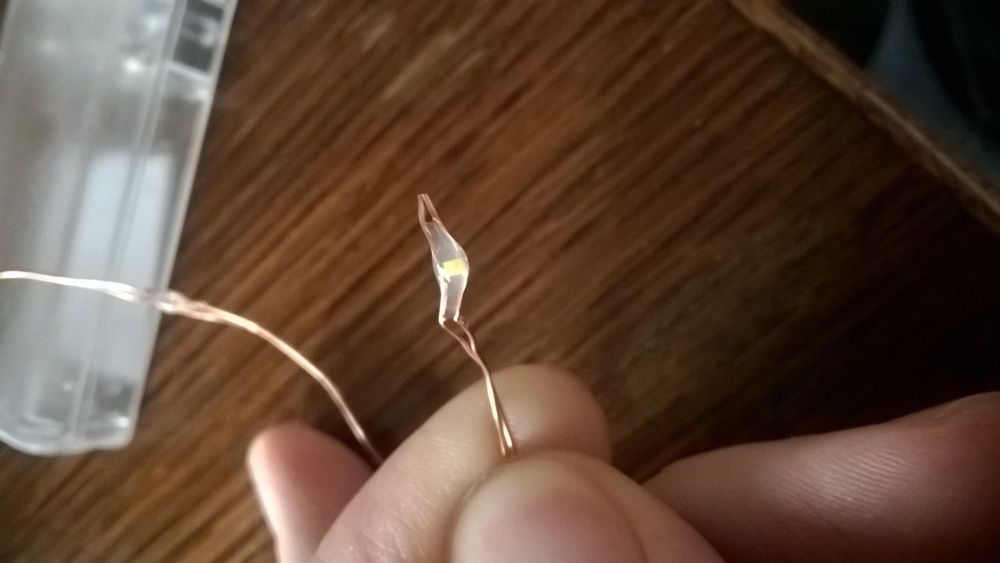
LEDs are different from traditional bulbs because they do not use a filament. Instead, they use tiny chips that create light. These chips are made from special materials called semiconductors. Semiconductors control the flow of electricity in the LED.
LEDs are also more durable. They do not break easily like glass bulbs. This makes LED light strings perfect for indoor and outdoor use.
How Leds Produce Light
LEDs produce light through a process called electroluminescence. When electricity passes through the semiconductor chip, it releases energy in the form of light. This light is very bright and focused.
The color of the light depends on the materials used in the chip. This is why LED light strings can come in many colors. The process uses very little power, which helps save energy.
Components Of Led Light Strings
LED light strings brighten spaces with simple yet clever parts. Understanding these parts helps explain how the lights glow. Each component plays a key role in making the lights work smoothly and safely.
Led Bulbs
LED bulbs are tiny lights that use less energy. They last longer than regular bulbs. These bulbs create bright light without getting hot. Many LED bulbs connect in a string to shine together.
Wiring And Circuits
The wiring links all LED bulbs in a chain. Thin wires carry electricity from one bulb to the next. Circuits help control the flow of electricity. They keep the bulbs safe from too much current.
Power Sources
Power sources give electricity to the LED string. Common sources include batteries or plugs. Some use low-voltage adapters for safety. The power source must match the LED string’s needs.
Circuit Design In Light Strings
Understanding the circuit design in LED light strings helps explain how these lights shine efficiently. The design controls the flow of electricity through each LED bulb. This ensures the lights work well and last longer. Different wiring methods and components affect the performance of the string. Safety features protect users and the light strings from damage.
Series Vs Parallel Wiring
LED light strings use two main wiring types: series and parallel. In series wiring, all LEDs connect one after another. The current flows through each bulb in a single path. If one LED breaks, the whole string may go out. Parallel wiring connects each LED separately to the power source. This allows the lights to stay on even if one bulb fails. Parallel wiring often uses more wire but improves reliability.
Role Of Resistors
Resistors control the amount of current flowing through each LED. LEDs need a specific current to work safely. Without resistors, too much current can damage the bulbs. The resistor reduces the current to a safe level. This helps prevent the LEDs from burning out quickly. Different resistor values match different LED voltages and currents.
Safety Features
LED light strings include safety features to avoid electrical hazards. Fuse protection stops the current if there is a short circuit. Insulated wires prevent electric shocks and fires. Some light strings have built-in surge protectors to handle voltage spikes. These safety parts keep users safe and extend the life of the lights.
Powering Led Strings
Powering LED light strings is a key part of how they work. The source of power controls their brightness and how long they last. Different power options suit different uses and places. Understanding these options helps you choose the right LED string for your needs.
Battery-powered Options
Battery-powered LED strings are portable and easy to use. They work well in places without electric outlets. You can carry them anywhere and place them freely. Batteries may need changing or recharging after some time. These strings are great for outdoor or temporary decoration.
Plug-in Models
Plug-in LED strings connect directly to an electric socket. They provide steady power without needing battery changes. These models are best for long-term use in one spot. They usually have higher brightness and more lights. A nearby outlet is necessary for plug-in LED strings.
Energy Efficiency
LED light strings use less power than traditional bulbs. They convert most energy into light, not heat. This efficiency saves electricity and lowers bills. Energy-efficient LED strings last longer and stay cool. They are an eco-friendly choice for home and events.
Color And Brightness Control
LED light strings offer vibrant colors and adjustable brightness. This makes them perfect for many uses, from home decoration to festive lighting. Understanding how their color and brightness control works helps you choose the right setup. It also helps you use them more effectively.
Rgb Leds And Color Mixing
RGB LEDs combine red, green, and blue lights. Each LED can change its brightness. By mixing these colors, they create many shades. This process is called color mixing. It allows the LED string to show millions of colors. You can select any color by adjusting the red, green, and blue levels. This makes the lights very flexible for different moods or events.
Dimming Techniques
Dimming controls how bright the LED lights shine. One common method is pulse width modulation (PWM). It turns the LED on and off very fast. The longer it stays on, the brighter the light appears. Dimming saves energy and extends the LED’s life. Some LED strings have simple dimmers, while others use advanced systems for smooth fading effects.
Smart Controls
Smart controls let you manage LED strings remotely. You can change colors and brightness from your phone or voice assistant. Many smart LED strings connect via Wi-Fi or Bluetooth. They often come with apps for easy control. Scheduling and syncing with music are popular features. Smart controls make LED strings more fun and user-friendly.

Credit: www.amazon.com
Common Issues And Troubleshooting
LED light strings are popular for decoration and lighting. Sometimes, they face common problems. Knowing these issues helps fix them quickly. This section explains common problems and easy ways to solve them.
Dead Leds
Dead LEDs stop lighting up. A single dead LED can cause part of the string to go dark. Check each bulb to find the dead one. Replace the faulty LED with a new one. Use the same size and type for best results.
Flickering Lights
Flickering lights are annoying and can mean loose connections. Inspect the bulbs for poor contact. Tighten any loose bulbs gently. Sometimes, the power source causes flicker. Try a different outlet or power adapter to test.
Wiring Problems
Wiring problems cause the whole string to fail. Look for broken or frayed wires along the string. Damaged wires can short circuit or stop electricity flow. Use electrical tape to cover small breaks. Replace the string if wires are badly damaged.
Innovations In Led Light Strings
LED light strings have improved a lot in recent years. New technology has made them smarter and more eco-friendly. These changes make LED strings easier to use and more fun.
Innovations focus on making LED light strings better for homes and the environment. They also offer more choices in how lights look and work. These updates help people enjoy lighting in new ways.
Wireless Connectivity
Many LED light strings now come with wireless control. You can use a phone or remote to turn them on or off. Some models allow color and brightness changes from far away. This feature adds great convenience and saves time.
Eco-friendly Materials
Manufacturers use safer materials to build LED light strings. These materials reduce harm to the planet. LEDs already use less energy than traditional bulbs. Using eco-friendly parts makes them even greener. This helps protect nature while lighting your space.
Customizable Designs
LED light strings come in many shapes and colors. Some let you change patterns and effects. You can match lights to any mood or event. Custom designs give more control over how lights look. This makes decorating more fun and personal.

Credit: www.amazon.com
Frequently Asked Questions
How Do Led Light Strings Generate Light?
LED light strings generate light through tiny diodes that emit photons when electric current passes. This process is energy-efficient and produces bright, cool light, making LED strings popular for decoration and lighting.
What Powers Led Light Strings To Work Efficiently?
LED light strings are powered by low-voltage electricity, often from batteries or adapters. This low power consumption reduces energy costs and heat, ensuring the lights operate safely and efficiently for extended periods.
Why Are Led Light Strings More Energy-efficient?
LED light strings use semiconductors to produce light directly, unlike traditional bulbs that burn filaments. This direct conversion saves energy, reduces heat output, and extends the lifespan of the lights significantly.
Can Led Light Strings Be Used Outdoors Safely?
Yes, many LED light strings are designed with waterproof or weather-resistant coatings. These features protect the lights from rain and moisture, making them safe and reliable for outdoor use.
Conclusion
LED light strings use tiny bulbs that glow when electricity passes through. They use less power than regular bulbs and last much longer. Their design helps spread light evenly and stay cool. These lights work well for decoration and save energy.
Understanding how they work can help you choose the right ones. Bright, efficient, and reliable—LED strings make any space shine. Simple technology, big impact.