
Your smoke detector is one of the most important devices in your home, yet many people forget to check if it’s working properly. Imagine a fire breaking out, and your alarm staying silent—this could put you and your loved ones in serious danger.
Testing your smoke detector is quick and simple, but it could save lives. You’ll learn exactly how to test your smoke detector correctly, so you can feel confident that your home is protected. Keep reading to make sure your safety device is ready when you need it most.
Credit: detectortesters.com
Why Test Smoke Detectors
Testing smoke detectors is a crucial step in home safety. It ensures the device works properly to alert you during a fire. Regular testing helps avoid false alarms and detects problems early. A working smoke detector can save lives and reduce property damage.
Importance Of Regular Testing
Smoke detectors need regular checks to stay effective. Dust, battery issues, or sensor faults can stop them from working. Testing every month helps find these problems fast. It gives you peace of mind that your home is safe. A simple test can protect your family from unseen dangers.
Risks Of Faulty Detectors
Faulty detectors may not alert you during a fire. This delay can cause serious injury or death. Fires spread quickly, and every second counts. A detector that fails can lead to bigger damage and loss. Testing prevents this risk and keeps you prepared.
Tools Needed For Testing
Testing your smoke detector is important to keep your home safe. Before you start, gather the right tools. Having the correct equipment makes the process quick and easy. It also ensures your smoke detector works well. Below are the basic and optional tools you may need.
Basic Equipment
A simple test can be done with just a few tools. First, you need a ladder or a sturdy chair to reach the detector. A small flashlight helps to see the device clearly. Most smoke detectors have a test button, so no extra tools are needed to press it. A fresh battery is useful if you want to replace the old one during testing.
Optional Testing Devices
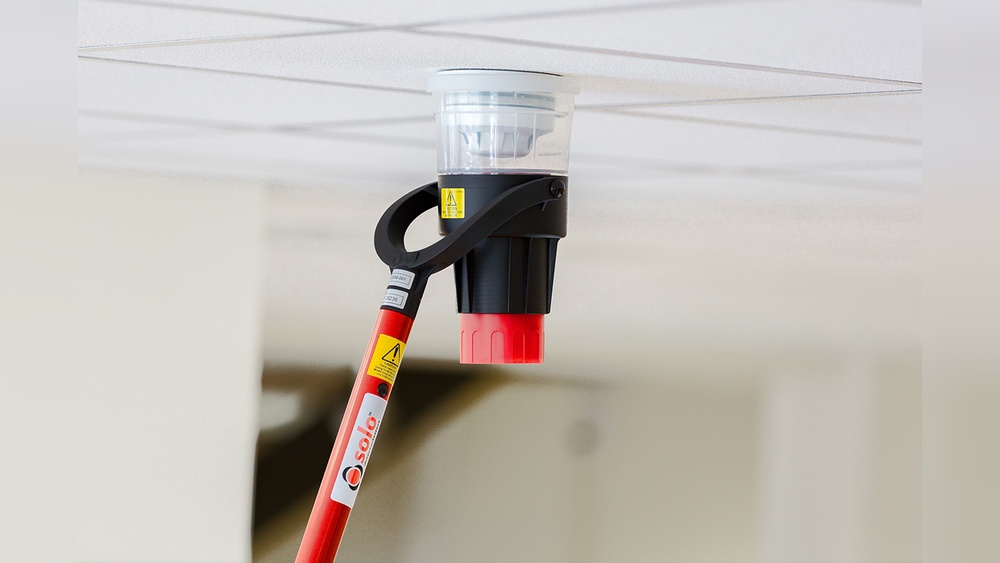
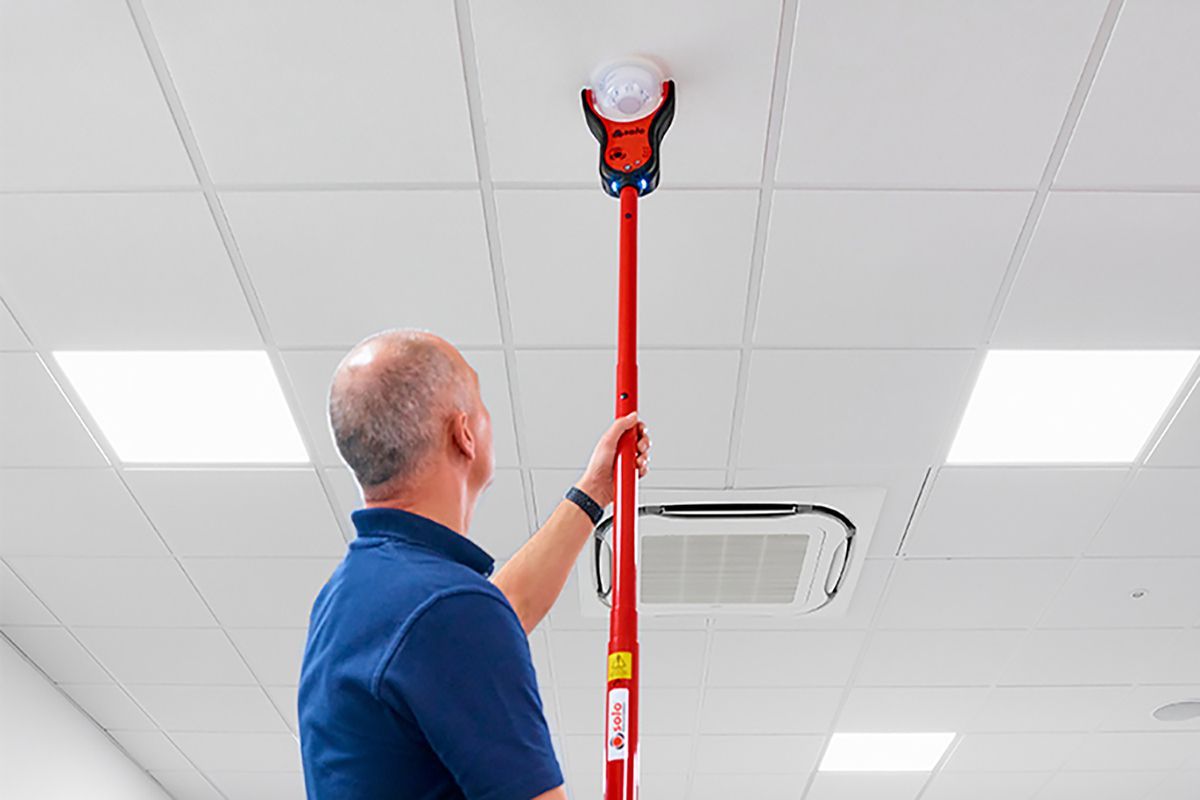
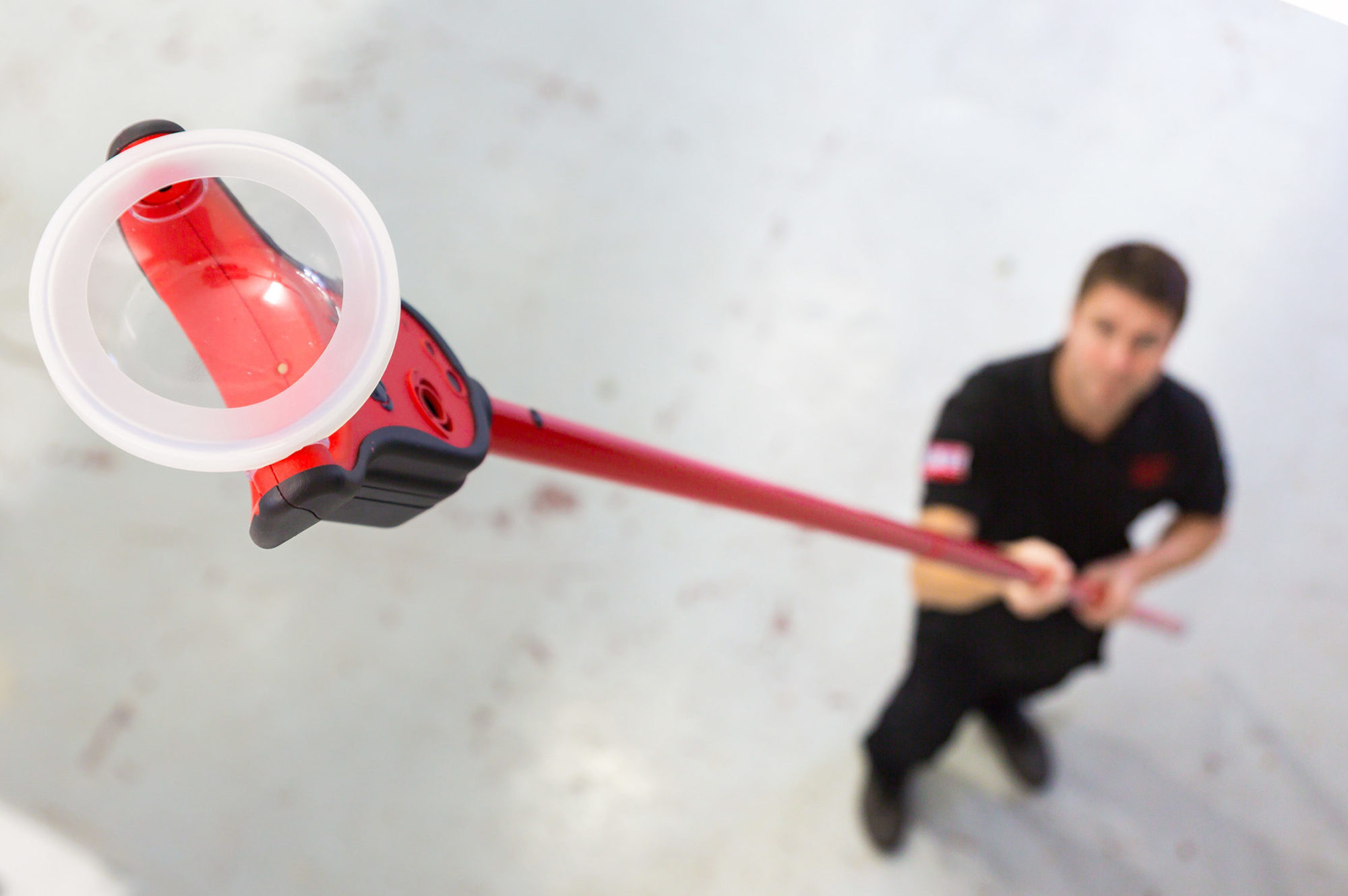
Some devices make testing more thorough. Smoke detector test spray is one option. It mimics real smoke without making a mess. A small can of compressed air can clean dust from the detector’s sensors. There are also digital smoke detector testers that measure sensitivity. These tools are not required but can improve safety checks.
Step-by-step Testing Process
Testing your smoke detector regularly is key to keeping your home safe. A step-by-step process makes testing simple and effective. Follow each step carefully to ensure your alarm works well in an emergency.
Visual Inspection
Start with a close look at the smoke detector. Check for dust, dirt, or damage. Clean the surface gently with a soft cloth. Make sure nothing blocks the sensor. Look for any signs of wear or corrosion. A clean and intact device is ready for testing.
Testing The Alarm Sound
Press the test button on the detector. Hold it down for a few seconds. Listen for a loud, clear alarm sound. The noise should be strong enough to wake you. If the alarm is weak or silent, replace the batteries or the unit. Test every alarm in your home.
Checking The Power Source
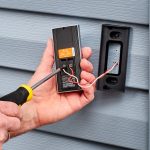
Check the battery or power connection. Open the battery compartment and remove the batteries. Replace them with fresh ones of the correct type. For hardwired detectors, confirm the electrical connection is secure. A reliable power source keeps your alarm active and ready.
Common Issues And Fixes
Smoke detectors are vital for home safety. Testing them often helps avoid problems. Some common issues can stop them from working right. Knowing these problems and how to fix them keeps your home safe.
Low Battery Problems
Low batteries are the main cause of smoke detector failure. When batteries run low, the alarm may beep often. This sound warns you to change the battery. Use fresh batteries to ensure the detector works well. Test the alarm after replacing batteries to confirm it is active.
Cleaning And Maintenance Tips
Dust and dirt can block the sensor inside the detector. This can stop it from sensing smoke. Clean the detector at least once every six months. Use a soft brush or vacuum cleaner on low power. Avoid using water or cleaners, as they can damage the unit.
When To Replace The Detector
Smoke detectors do not last forever. Most detectors last about 10 years. Check the manufacture date on the back of the unit. Replace the detector if it is older than 10 years. Also, replace it if it fails tests after battery changes and cleaning.
Safety Tips During Testing
Testing your smoke detector keeps your home safe. It is important to follow safety tips during testing. These tips help avoid problems and protect your hearing. Always test carefully to ensure the alarm works well.
Avoiding False Alarms
False alarms can scare people and waste time. Do not use real smoke or fire to test the alarm. Use the test button on the smoke detector instead. This method checks the battery and sound without causing panic.
Inform others in the house before testing. This prevents surprise and confusion. Keep the detector clean from dust to avoid false alarms. Regular cleaning helps the alarm work correctly.
Protecting Hearing
Smoke detectors are loud. The sound can hurt your ears if you stand too close. Keep a safe distance while testing the alarm sound. Cover your ears or wear ear protection if the noise is too loud.
Do not test the alarm near babies or pets. Loud sounds can frighten them. Test quickly and turn off the alarm as soon as possible. Protect your hearing for safe and effective testing.

Credit: emcsecurity.com
Frequency Of Testing
Testing your smoke detector often is key to home safety. Smoke detectors can fail without warning. Regular checks help catch problems early. Set a clear routine for testing. Keep your family protected with fresh batteries and working alarms.
Recommended Testing Schedule
Test smoke detectors once every month. Press the test button until the alarm sounds. If it is weak or silent, replace the battery or the unit. Replace batteries at least once a year. Some detectors have sealed batteries lasting 10 years. Follow the manufacturer’s advice for your model.
Seasonal Reminders
Use seasonal changes to remember testing times. Test alarms during daylight saving time changes. Spring and fall are good reminders to check detectors. This habit fits into your yearly routine easily. It helps keep alarms ready in case of fire.
Credit: sdifire.com
Frequently Asked Questions
How Often Should I Test My Smoke Detector?
Test your smoke detector monthly to ensure it works properly. Regular testing helps detect faults early and keeps your home safe.
What Is The Best Way To Test A Smoke Detector?
Press and hold the test button until the alarm sounds. This method checks the battery and alarm functionality effectively.
Can I Use Smoke To Test My Detector?
Using smoke can test sensitivity but is not recommended. Pressing the test button is safer and sufficient for regular checks.
What If My Smoke Detector Doesn’t Sound During Testing?
Replace the battery or the entire unit if no sound occurs. Faulty alarms put your safety at risk and need immediate attention.
Conclusion
Testing your smoke detector keeps your home safe. Regular checks ensure it works well. Press the test button once a month. Replace batteries at least once a year. Clean the detector to avoid dust build-up. Never ignore a low battery warning sound.
A working smoke detector can save lives. Stay alert and keep your family protected. Simple steps make a big difference. Safety starts with a small test.