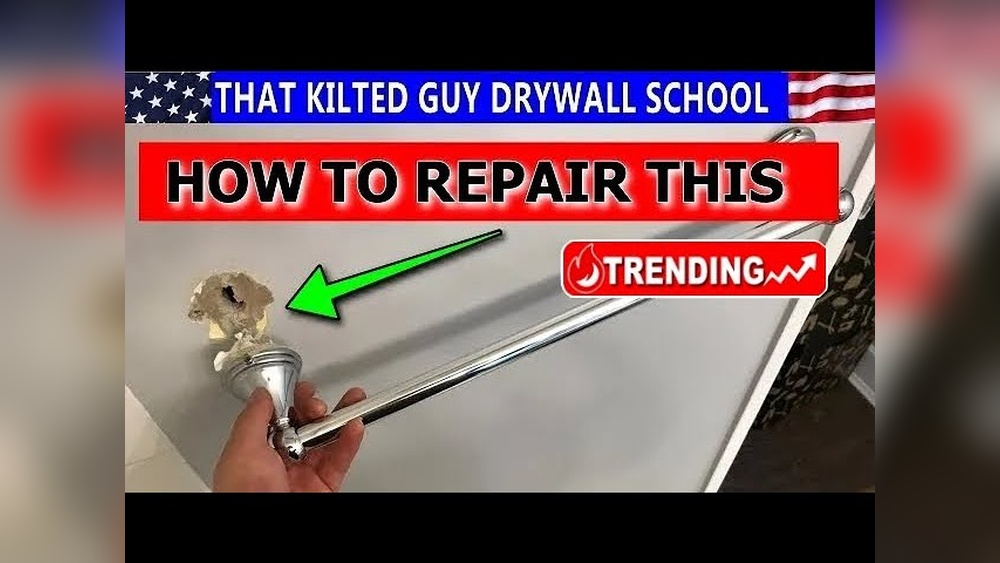

Is your towel rack loose or falling off your drywall? It can be frustrating to see your bathroom looking messy because of a shaky rack.
But don’t worry—you don’t need to call a professional or spend a lot of money to fix it. With a few simple tools and easy steps, you can secure your towel rack so it stays put and looks great. Keep reading, and you’ll learn exactly how to fix your towel rack in drywall quickly and confidently.
Choosing The Right Tools
Choosing the right tools makes fixing a towel rack easier and safer. Using proper tools saves time and avoids damage to your drywall. The right tools help hold the rack firmly and keep it steady. Before starting, gather all necessary tools and materials. This prepares you for a smooth repair job.
Essential Tools For The Job
Start with a power drill for making clean holes in drywall. Use a stud finder to locate wall studs for strong support. A level ensures the towel rack stays straight and balanced. Screwdrivers help tighten screws without stripping them. Measuring tape checks the correct placement height and spacing.
Also, have wall anchors ready if no studs are available. A pencil marks drill points clearly. Use pliers to hold small hardware parts securely. These tools make installation accurate and sturdy.
Materials Needed For Durability
Choose heavy-duty wall anchors designed for drywall weight. Plastic anchors work for light racks, but metal anchors hold more weight. Use stainless steel screws to prevent rust and corrosion. Pick screws long enough to reach wall studs or anchors firmly.
Select a towel rack made from strong materials like metal or solid wood. Avoid plastic racks that break easily. Proper materials ensure your towel rack lasts a long time and stays secure.

Credit: diy.stackexchange.com
Locating Wall Studs
Locating wall studs is the first step to fixing a towel rack securely on drywall. Studs provide the strong support needed to hold the weight of the rack and towels. Without finding a stud, the rack may come loose or damage the wall. This section explains simple ways to locate studs easily.
Using A Stud Finder
A stud finder is a small tool that detects wood or metal behind drywall. Turn it on and place it flat on the wall. Slowly move it horizontally until it beeps or lights up. The spot where it signals is where the stud is located. Mark this spot with a pencil. Check a few inches left and right to find the edges of the stud. This tool saves time and gives accurate results.
Alternative Methods To Find Studs
If you don’t have a stud finder, use other ways to find studs. Tap the wall gently with your knuckles. A hollow sound means no stud, while a solid sound means a stud is behind. Look for electrical outlets or light switches; they usually attach to studs. Measure 16 or 24 inches from the corner of the wall. Most studs are spaced at these intervals. Use a small nail or drill bit to test for a stud by making a tiny hole. Stop if you hit solid wood.
Preparing The Wall
Preparing the wall is the first step to fixing a towel rack in drywall. This stage ensures the rack will be secure and stable. Taking time to prepare the wall carefully helps avoid damage and makes the installation easier.
Marking Drill Points
Start by holding the towel rack against the wall. Use a pencil to mark where the screws will go. Check that the marks are level. Use a spirit level for accuracy. Mark all the drill points before moving on. Clear, precise marks guide your drilling and keep the rack straight.
Drilling Pilot Holes
Use a drill with a small bit to make pilot holes. These holes guide the screws and prevent the drywall from cracking. Drill gently at the marked points. Make sure the holes are straight and deep enough. Pilot holes make it easier to fix the towel rack firmly to the wall.
Mounting Options Without Studs
Mounting a towel rack on drywall without studs can feel tricky. Drywall alone is not strong enough to hold heavy weight securely. Special mounting options help fix this problem. They provide extra support and keep your towel rack stable.
These options use anchors that spread the load inside the wall. This prevents the rack from pulling out or falling. Choosing the right method depends on the towel rack’s weight and use.
Using Drywall Anchors
Drywall anchors are small devices placed inside the wall. They expand or grip the drywall to hold screws firmly. You start by drilling a hole in the drywall. Then, insert the anchor into the hole before screwing the rack in place.
Anchors come in many types. Some expand like a butterfly inside the wall cavity. Others have threads that dig into drywall for better grip. These anchors create a strong base for your towel rack.
Choosing The Right Anchor Types
Select anchors based on towel rack weight and wall condition. Plastic expansion anchors suit light racks. They work by pushing against the drywall when screws tighten.
Molly bolts are better for medium weights. They open a metal sleeve behind the wall for extra hold. Toggle bolts hold the most weight. They have wings that open wide behind the drywall.
Pick anchors with a weight rating higher than your towel rack. This ensures safe and lasting support. Always follow package instructions for proper installation.
Installing The Towel Rack
Installing the towel rack on drywall requires careful steps to ensure it stays secure. This process involves positioning the rack correctly and attaching it firmly with the right tools. Proper installation prevents damage to the wall and keeps the rack stable for everyday use.
Aligning The Rack
Start by holding the towel rack against the wall at the desired height. Use a level to check if it is straight. Mark the spots where the screws will go with a pencil. Double-check the marks to avoid mistakes. Correct alignment makes the rack look neat and function well.
Securing With Screws And Anchors
Choose the right anchors for drywall to hold the rack securely. Drill small holes at the marked spots on the wall. Insert the anchors gently into the holes. Place the rack against the wall and screw it into the anchors. Tighten screws but do not over-tighten to avoid damage.
Ensuring Long-term Stability
Ensuring long-term stability of your towel rack is key to avoid repeated repairs. A well-secured rack holds towels firmly and lasts for years. Focus on two main steps: checking loose fixtures and reinforcing the mount. These steps prevent wobbling and damage to your drywall.
Checking For Loose Fixtures
Start by gently shaking the towel rack. Notice any movement or creaking sounds. Loose screws or anchors cause instability. Use a screwdriver to tighten all visible screws. If screws spin without tightening, remove and replace them. Check the wall anchors too. Damaged anchors should be swapped for new ones. This simple check saves trouble later.
Reinforcing The Mount
Reinforce the mount for extra strength. Use wall anchors designed for drywall weight. Toggle bolts or molly bolts work well. Drill new holes if needed, slightly larger than the anchors. Insert anchors firmly and align the towel rack. Tighten screws slowly to avoid stripping. Adding a small wood backer behind drywall adds support. This distributes weight and stops pulling out.
Common Mistakes To Avoid
Fixing a towel rack in drywall seems easy but can go wrong fast. Avoiding common mistakes helps keep the rack strong and stable. These errors can cause damage or make the rack fall. Knowing what to avoid saves time and money. Focus on these key points to get the job done right.
Overloading The Rack
Putting too many towels or heavy items on the rack is a common problem. Drywall alone cannot hold much weight. Overloading causes the rack to pull away from the wall or break. Use the rack only for towels and light items. Spread weight evenly to protect the wall and rack.
Ignoring Wall Material Limitations
Not all drywall walls are the same. Some have wooden studs behind them, others do not. Failing to check the wall structure can cause the rack to fall. Use anchors made for drywall if no studs are found. Choose the right tools and fasteners based on your wall type. This step ensures the rack stays secure for a long time.

Credit: diy.stackexchange.com
Maintenance Tips For Towel Racks
Keeping your towel rack in good shape saves time and effort. Proper maintenance stops small problems from growing. Simple care helps the rack last longer and stay firm on the wall.
Check the rack often. Tighten loose screws and avoid heavy loads. Protect the wall to prevent damage. These small steps keep your bathroom neat and safe.
Regular Tightening
Loose screws make the towel rack unstable. Use a screwdriver to check screws every few weeks. Tighten any that feel loose or wobbly. This stops the rack from falling and causing damage.
Don’t force the screws too hard. Tighten just enough to keep the rack firm. This simple habit keeps your towel rack strong for years.
Preventing Wall Damage
Heavy towels can pull the rack from the drywall. Use anchors or wall plugs to support the weight. These tools spread the load and protect the wall.
Avoid hanging wet towels for long periods. Moisture can weaken drywall around the rack. Let towels dry on a rod or hook to keep walls dry and strong.

Credit: www.wallshark.com
Frequently Asked Questions
How Do You Fix A Towel Rack To Drywall?
To fix a towel rack to drywall, locate studs or use wall anchors. Drill pilot holes, insert anchors if no studs, then screw the rack securely. This ensures stability and prevents damage to the drywall.
What Type Of Anchors Work Best For Drywall Towel Racks?
Toggle bolts or molly bolts work best for drywall towel racks. They provide strong support by spreading the load inside the wall. Plastic anchors are less reliable for heavy racks and towels.
Can I Install A Towel Rack Without Studs?
Yes, you can install a towel rack without studs by using wall anchors like toggle bolts or molly bolts. These anchors provide the necessary support to hold the rack firmly in drywall.
How Do I Prevent Drywall Damage When Installing A Towel Rack?
To prevent drywall damage, always use the correct anchors and pilot holes. Avoid overtightening screws, which can crack drywall. Use a level to position the rack properly before drilling.
Conclusion
Fixing a towel rack in drywall is simple with the right steps. Use anchors to hold the rack securely. Make sure to measure and mark the spots carefully. Tighten screws without damaging the wall. A sturdy towel rack keeps your bathroom neat and safe.
Small repairs like this save money and effort. Try these tips to fix your towel rack today. Enjoy a clean, organized space with ease.