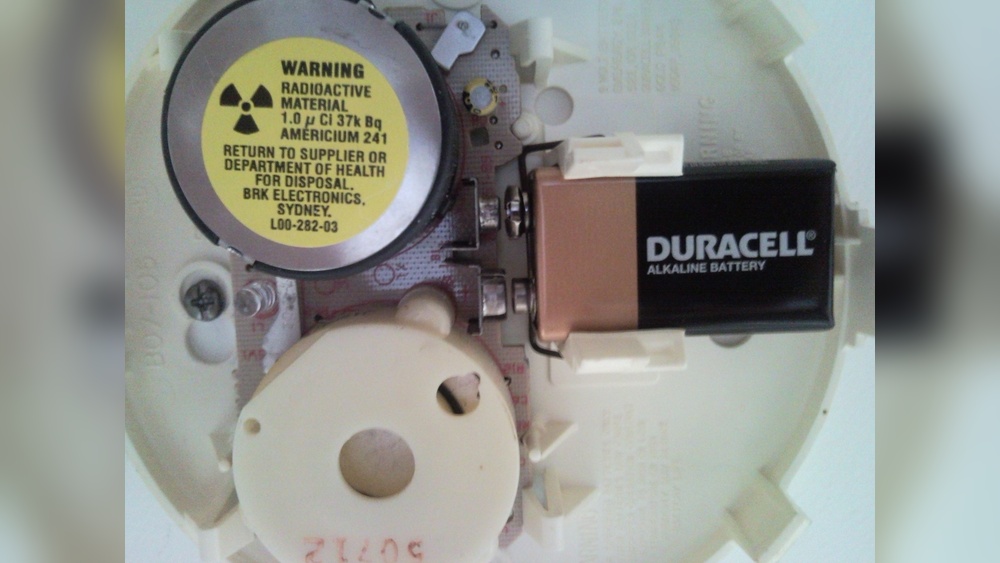

Have you ever wondered what’s inside your smoke detector that makes it so effective? One tiny element plays a big role in keeping you safe—americium.
But how much americium is actually in your smoke detector? You might be surprised by the answer. Understanding this can help you feel more confident about the safety of your home and how these devices work. Keep reading to discover the fascinating truth about americium in smoke detectors and why its small amount is so powerful.
Americium In Smoke Detectors
Americium is a key element inside many smoke detectors. It plays a vital role in detecting smoke and keeping homes safe. Understanding the amount and purpose of americium helps clear common questions about these devices.
Role Of Americium-241
Americium-241 is a small radioactive material. It emits alpha particles that help detect smoke particles. When smoke enters the detector, it disrupts this flow. The detector senses this change and triggers the alarm.
Amount Used Per Detector
Each smoke detector contains about 0.29 microcuries of americium-241. This equals roughly 0.9 micrograms. This tiny amount is safe and well below harmful levels. It is enough to keep the detector working for years.
Why Americium Is Chosen
Americium-241 is ideal for smoke detection. It emits alpha particles, which do not travel far. This makes it safe inside small devices. It is also long-lasting and reliable. These features make americium the top choice for smoke detectors.
Safety Measures And Risks
Smoke detectors contain a small amount of americium, a radioactive element. Understanding safety measures and risks helps keep you safe at home. Knowing about radiation levels, handling, and health effects clears up many concerns.
Radiation Levels Explained
Americium in smoke detectors emits very low radiation. The level is far below harmful limits. It stays sealed inside the device. This makes the radiation almost impossible to reach. Normal use causes no radiation exposure to people nearby.
Handling And Disposal Guidelines
Do not open or tamper with the smoke detector. Keep it away from children and pets. When replacing, follow local rules for disposal. Some places have special drop-off points for electronics. Proper disposal prevents environmental contamination. Avoid throwing it in regular trash.
Health Impact Myths
Many fear radiation from smoke detectors. The truth is the risk is very low. Americium’s radiation cannot penetrate skin or clothes. No illnesses come from normal use. The device is safe to have in your home every day.
Detection Technology
Detection technology in smoke detectors plays a vital role in home safety. It helps identify smoke early and alerts people to danger. Americium-241 is a key element used in many smoke detectors. Its unique properties make it effective for detecting smoke quickly and accurately.
How Americium Detects Smoke
Americium-241 emits alpha particles inside the detector. These particles ionize the air, creating a small electric current. Smoke particles entering the chamber disrupt this current. The detector senses the change and triggers the alarm. This process works fast, giving early warnings of fire.
Types Of Smoke Detectors Using Americium
Most ionization smoke detectors contain americium-241. These detectors are common in homes and buildings. They respond well to fast, flaming fires with small smoke particles. They are usually less expensive and widely available. Smoke alarms in kitchens and bedrooms often use this technology.
Alternatives To Americium Detectors
Photoelectric smoke detectors use light to detect smoke. They shine a light beam and watch for smoke scattering it. These detectors are better for slow, smoldering fires. Some smoke alarms combine both ionization and photoelectric sensors. Newer models use different sensors to avoid radioactive materials.
Credit: www.reddit.com
Regulations And Standards
Americium in smoke detectors is carefully controlled by rules and laws. These regulations protect people from exposure to harmful radiation. They also ensure smoke detectors work safely and effectively in homes and businesses.
Government Limits On Americium Use
Government agencies set strict limits on americium amounts in smoke detectors. The U.S. Nuclear Regulatory Commission allows only a tiny amount. Usually, each detector contains about 0.29 microcuries of americium-241. This amount is very small and safe for everyday use.
International Safety Standards
Countries follow global safety rules for radioactive materials. The International Atomic Energy Agency provides guidelines for americium use. These rules help reduce risks during manufacturing and disposal. They also make sure products meet health and safety standards worldwide.
Manufacturer Compliance
Smoke detector makers must follow government and international rules. They test each product to meet safety standards. Regular inspections ensure compliance with americium limits. This process keeps consumers safe from radiation risks.
Environmental Impact
Americium in smoke detectors poses unique environmental challenges. This radioactive element is in tiny amounts but requires careful handling. Understanding its impact helps reduce environmental risks.
Americium Disposal Concerns
Americium is radioactive and toxic in large amounts. Improper disposal can pollute soil and water. Landfills are not safe places for smoke detectors. Radioactive dust may leak and harm wildlife. Special disposal methods are necessary to protect the environment.
Recycling Smoke Detectors
Recycling helps keep americium out of waste sites. Some companies accept old smoke detectors for safe recycling. The americium is removed and stored properly. Metals and plastics are reused, reducing waste. Recycling reduces the chance of environmental contamination.
Future Trends In Smoke Detector Materials
New technologies aim to replace americium in smoke detectors. Some use safer sensors that do not need radioactive materials. These detectors are easier to dispose of and recycle. The future may bring more eco-friendly smoke alarms. This change will lower environmental impact significantly.

Credit: www.reddit.com

Credit: www.epa.gov
Frequently Asked Questions
How Much Americium Is In A Typical Smoke Detector?
A typical smoke detector contains about 0. 29 micrograms of americium-241. This small amount is safe and effective for detecting smoke particles.
Why Is Americium Used In Smoke Detectors?
Americium-241 emits alpha particles that ionize air, helping detect smoke. It is reliable, long-lasting, and produces consistent results in smoke detection.
Is The Americium In Smoke Detectors Dangerous?
The americium amount in smoke detectors is very low and sealed safely. It poses minimal health risk when the device is intact and used properly.
Can I Safely Dispose Of A Smoke Detector With Americium?
Yes, smoke detectors should be disposed of following local hazardous waste guidelines. Americium is contained and requires special recycling or disposal methods.
Conclusion
Smoke detectors contain a very small amount of americium, usually less than a microgram. This tiny amount makes them safe to use in homes. Americium helps detect smoke quickly, saving lives every day. You don’t need to worry about radiation from these devices.
Proper disposal is important to keep the environment safe. Understanding how much americium is inside helps people feel more secure. Smoke detectors stay a simple but effective safety tool. They protect families quietly and reliably.