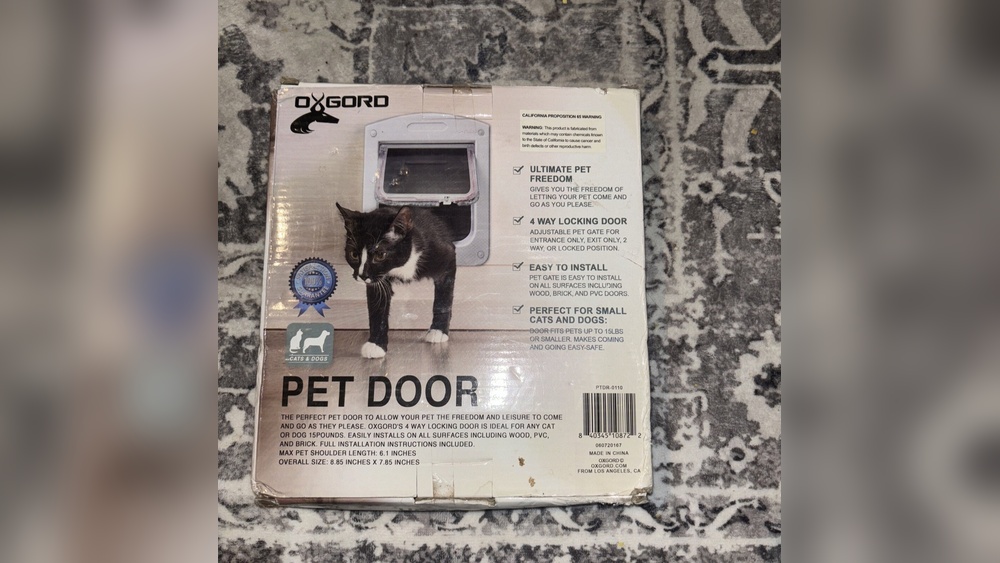

Are you wondering how high your pet door should be installed? Getting the height just right makes a big difference for your pet’s comfort and safety.
If it’s too low, your furry friend might struggle or feel uncomfortable. Too high, and they might avoid using it altogether. You’ll discover the simple steps to measure and choose the perfect height for your pet door. Keep reading to ensure your pet moves in and out with ease every time.
Choosing The Right Height
Setting the correct height for your pet door is very important. It helps your pet enter and exit comfortably. A door placed too high or too low can cause trouble for your pet. You want your pet to move freely without strain or injury.
Each pet is different. Size, age, and health all affect the ideal door height. Careful measuring and consideration make a big difference. You want to create a safe and easy path for your furry friend.
Measuring Your Pet’s Size
Start by measuring your pet’s height from the ground to its belly. This is the main guide for door height. The door bottom should be a few inches below the belly. This allows your pet to step through easily.
Also measure your pet’s width at the widest point. The door should be wide enough to avoid squeezing. A door too narrow can make your pet uncomfortable or scared.
Considering Pet’s Age And Mobility
Older pets or pets with joint problems need a lower door height. This helps avoid jumps or steps that cause pain. Young or active pets can handle slightly higher doors.
Watch how your pet moves. Adjust the height so your pet can enter without bending or jumping too much. Comfort and safety come first for every pet door.

Credit: www.walmart.com
Standard Pet Door Heights
Most pet doors are installed 4 to 6 inches off the ground to fit pets comfortably. Measure your pet’s belly height to find the best spot. Proper height helps your pet enter and exit easily without bending or jumping.
Common Height Recommendations
Most pet doors are installed about 4 to 8 inches above the floor. This height works well for many dogs and cats. It allows pets to enter and exit comfortably without bending too low or jumping too high. Too low can cause dirt or water to enter easily. Too high can make it hard for smaller pets to use the door.
For a standard pet door, measure your pet’s shoulder height. Place the bottom of the door a few inches below that point. This setup helps pets move smoothly through the opening. It also keeps the door functional and safe for everyday use.
Adjusting For Different Pet Breeds
Different pets need different door heights. Small dogs like Chihuahuas need the door closer to the ground. Larger dogs like Labradors need the door higher up. Cats usually prefer doors near the floor since they are low to the ground.
Measure your pet from the floor to the top of its shoulders. Adjust the door height so your pet can pass through without discomfort. If you have multiple pets, choose a height that fits the smallest and largest pets well. This way, all pets can use the door easily.
Factors Influencing Placement
Choosing the right height for your pet door is not just about your pet’s size. Several factors influence the best placement. These factors help ensure your pet moves easily and safely. The floor, door, and surrounding terrain all play a role. Understanding these elements makes installation simpler and more effective.
Floor Type And Surface
The floor type affects where to place the pet door. Hard floors like tile or wood are different from carpeted floors. Carpets add height, so the door may need to be a bit higher. Outdoor surfaces like concrete or grass also matter. The door should be high enough to avoid dirt or water coming inside.
Door Type And Material
Different doors have different thicknesses and materials. Wooden doors might allow easier cutting and adjustment. Metal or glass doors need special tools and care. The door material may limit how low or high you can place the pet door. Always measure carefully before cutting.
Indoor And Outdoor Terrain
The ground outside the door affects pet door height. Uneven or sloped ground needs a higher door placement. Muddy or wet areas require a door that stays above the dirt. Inside, consider rugs or thresholds. These can add height and change how your pet uses the door.

Credit: www.radiofence.com
Installation Tips
Installing a pet door at the right height is key for your pet’s comfort and safety. Follow these simple installation tips to create a perfect fit. Careful measuring and precise cutting make the job easier. Secure the frame properly for a strong, lasting pet door.
Marking The Door
Measure your pet’s height from the floor to its belly. Add a few inches for comfortable clearance. Use a pencil to mark the door at this height. Make sure the marks are level and clear. Double-check measurements before cutting.
Cutting The Opening
Choose the right tool for cutting, like a jigsaw or handsaw. Cut slowly along the marked lines to avoid mistakes. Smooth the edges with sandpaper to prevent splinters. Keep the opening clean for easier door frame installation.
Securing The Door Frame
Place the pet door frame into the opening. Use screws to fasten it securely to the door. Check that the door swings freely without sticking. Seal the edges with weatherstripping to keep drafts out. Ensure the frame is sturdy for your pet’s safety.
Safety And Accessibility
Safety and accessibility are key when setting the height of your pet door. The door must be easy for your pet to use without risk of injury. Proper placement helps your pet move freely and keeps them safe from hazards.
Choosing the right height ensures your pet avoids bumps and trips. It also helps prevent damage to the door or wall. Let’s explore how to keep the area clear and make entry smooth for your pet.
Avoiding Obstructions
Keep the space around the pet door free from clutter. Objects like furniture or toys can block your pet’s path. These obstacles can cause your pet to trip or hesitate. Clear space allows your pet to approach the door easily. Check for low-hanging cords or rugs that might catch paws. A clear area supports safe and quick passage for your pet.
Ensuring Easy Entry And Exit
Set the pet door height to match your pet’s natural step. The bottom of the door should be just a few inches off the ground. Too high and your pet may struggle to jump through. Too low and the door might drag or catch on the floor. Measure your pet’s height and leg length for the best fit. This helps your pet enter and exit without effort or injury.
Customizing For Multiple Pets
Customizing a pet door for multiple pets needs careful thought. Each pet has its own size and height. Setting the pet door at the right height makes sure all pets can use it easily. It also keeps the door secure and comfortable for your furry friends.
Different Sizes, Different Heights
Pets come in many sizes. A small dog or cat needs a lower door height. Bigger dogs need a higher opening. Measure each pet’s height at the shoulder. Choose a door height that fits the tallest pet. This helps all pets pass through without trouble.
Using Adjustable Pet Doors
Adjustable pet doors offer a flexible solution. They let you change the door height as needed. This is useful for growing puppies or new pets. You can raise or lower the door to match your pets’ sizes. Adjustable doors save you from buying multiple doors.
Troubleshooting Common Issues
Setting the right height for your pet door is key to its use. Sometimes, problems arise even after measuring carefully. Troubleshooting helps fix these issues quickly. This section covers common problems and simple fixes to improve your pet door experience.
Pets Struggling To Use Door
Your pet may find the door hard to use. The door might be too high or too low. Check if your pet must jump or crouch too much. Adjust the door height so your pet walks through easily. Watch your pet try the door a few times. Patience helps them learn to use it well.
Door Drafts And Weatherproofing
Cold air can sneak through the pet door. Drafts make your home less comfortable. Use weather stripping around the door edges. This seals gaps and blocks wind. Check the door flap for tears or loose parts. Replace or fix the flap if it lets air pass. Good weatherproofing saves energy and keeps pets cozy.

Credit: www.petsafe.com
Frequently Asked Questions
How High Should A Pet Door Be Installed?
Install the pet door at your pet’s shoulder height for easy access. This height prevents strain and encourages smooth entry and exit.
Why Is Pet Door Height Important?
Proper height ensures your pet’s comfort and safety. It reduces injury risk and makes the door easier for your pet to use.
Can Pet Door Height Affect My Pet’s Behavior?
Yes, incorrect height may cause hesitation or avoidance. Correct height promotes confidence and frequent use by your pet.
How To Measure Pet Door Height Correctly?
Measure your pet’s shoulder height while standing naturally. Use this measurement to position the pet door accurately for best results.
Conclusion
Choosing the right height for your pet door is important. Measure your pet’s shoulder height carefully. Place the door a few inches above that point. This helps your pet move in and out with ease. Avoid making the door too high or too low.
A good fit keeps your pet safe and happy. Remember, each pet is different. Take time to adjust and check the door’s height. Doing this makes your pet’s daily routine smoother. A well-placed pet door brings comfort for both you and your pet.