Have you ever stopped to think about how much a simple smoke detector can protect you and your loved ones? Every year, these small devices save countless lives by giving you precious seconds to escape danger.
But just how many lives do smoke detectors save each year? Understanding this can change the way you see fire safety in your own home. Keep reading to discover the powerful impact smoke detectors have—and why yours could be a true lifesaver.

Credit: www.esfi.org
Smoke Detectors And Fire Safety
Smoke detectors play a key role in fire safety at home and work. They alert people early about fire dangers. This early warning saves many lives every year. Understanding how smoke detectors work helps us appreciate their value.
Many fires start while people sleep. Smoke detectors wake them up fast. This quick alert gives time to escape safely. The presence of a smoke detector greatly reduces fire deaths and injuries.
Role In Early Warning
Smoke detectors sense smoke or fire early. They send loud alarms to warn people nearby. This alert helps people react before the fire spreads. Early warning gives a better chance to get out safely.
Without smoke detectors, fires can go unnoticed for minutes. Those minutes can be deadly. Smoke detectors improve safety by providing crucial extra time to escape or call for help.
Types Of Smoke Detectors
There are two main types of smoke detectors: ionization and photoelectric. Ionization detectors respond quickly to fast flaming fires. Photoelectric detectors are better for slow, smoldering fires.
Combination detectors include both technologies. They offer broader protection for different fire types. Choosing the right smoke detector can improve your fire safety plan.
Credit: www.esfi.org
Lives Saved Annually
Each year, smoke detectors save thousands of lives across the globe. These devices act fast, alerting people to fire dangers early. This early warning gives people precious time to escape safely. Understanding the lives saved annually shows the true value of smoke detectors.
Statistics On Fire-related Deaths
Fire causes many deaths worldwide every year. In the United States alone, about 3,000 people die from fires annually. Most fire deaths happen at night when people sleep. Smoke inhalation is the leading cause of death in these fires. Many deaths occur in homes without working smoke detectors.
Impact Of Smoke Detectors On Survival Rates
Homes with smoke detectors have much lower death rates. Studies show smoke detectors reduce fire deaths by nearly 50%. Early alarms wake sleeping individuals, giving them time to escape. Smoke detectors also alert emergency services faster. This quick response saves more lives and reduces injuries.
Factors Influencing Effectiveness
Smoke detectors save many lives each year, but their effectiveness depends on several factors. These factors determine how well a detector can alert people during a fire. Understanding them helps ensure your smoke detector works properly and protects your home.
Proper Installation And Maintenance
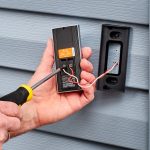
Installing a smoke detector correctly is crucial. Place it on the ceiling or high on a wall, away from corners. Avoid areas near windows, doors, or vents where air flow may interfere with detection.
Regular maintenance keeps detectors working. Test alarms monthly to check if they sound. Clean detectors to remove dust and debris. Replace old or faulty units immediately.
Battery Life And Detector Placement
Battery life affects how long a smoke detector can operate. Use fresh batteries and replace them yearly or as soon as the alarm sounds a low-battery warning.
Detector placement matters. Install detectors in every bedroom, outside sleeping areas, and on every floor. This increases chances of early warning and saves more lives.
Common Challenges And Failures
Smoke detectors save many lives every year by alerting people to fire early. Despite their importance, these devices face common challenges and failures. These issues can reduce their effectiveness and put lives at risk. Understanding these problems helps improve safety and response during fires.
False Alarms And User Response
False alarms happen often with smoke detectors. Dust, steam, or cooking smoke can trigger the alarm. These false alerts make people ignore real dangers. Some may even disable the detector to stop the noise. This reaction lowers safety and increases fire risk. Proper placement and regular cleaning reduce false alarms. Educating users about false alarms improves their response.
Detector Malfunctions
Detectors can fail due to poor maintenance or old batteries. Dead batteries stop alarms from sounding during fires. Faulty sensors may not detect smoke properly. Some detectors lose sensitivity over time. Regular testing and battery replacement are vital. Using quality detectors also reduces malfunctions. Staying alert to detector problems saves lives.
Advancements In Smoke Detector Technology
Smoke detector technology has improved a lot over the years. These devices now offer better safety and more features. They do more than just sound an alarm. New technology helps save more lives each year by detecting smoke faster and alerting people more effectively.
Modern smoke detectors connect with other devices and use smarter sensors. These advancements make homes safer and provide peace of mind. Let’s explore how smart detectors and improved sensors work.
Smart Detectors And Connectivity
Smart smoke detectors can connect to Wi-Fi and smartphones. They send alerts even when you are not at home. This feature helps you act quickly in an emergency. Some models can link with other smart home devices. For example, they can turn on lights or unlock doors automatically. This makes escaping easier during a fire.
Connectivity also allows remote testing and maintenance alerts. You will know if the battery is low or the detector needs cleaning. This reduces the chance of device failure and increases safety.
Improved Sensor Accuracy
New smoke detectors use better sensors that detect smoke and fire faster. These sensors can tell the difference between smoke from cooking and real fire. This reduces false alarms and helps people respond only to real dangers.
Some detectors use multiple sensors to check for different types of fires. They react quickly to both slow smoldering fires and fast flames. This accuracy helps save more lives by giving early warnings.
Global Impact And Awareness
Smoke detectors play a vital role in saving lives worldwide. Their global impact grows as more countries adopt safety measures. Awareness about fire risks and detector use helps reduce injuries and deaths. Understanding how different regions use smoke detectors shows the progress and challenges in fire safety.
Smoke Detector Usage In Different Countries
Usage of smoke detectors varies widely across countries. Developed nations often have laws requiring detectors in homes and buildings. In these places, most households install smoke alarms. This leads to fewer fire-related deaths each year.
In some developing countries, smoke detector use is less common. Many homes lack proper fire safety tools. Limited access and cost are major barriers. Efforts continue to increase detector availability worldwide.
Public Education And Fire Prevention Campaigns
Public education is key to improving fire safety. Governments and groups run campaigns to teach smoke detector importance. These programs show how to install and maintain alarms correctly.
Fire drills and safety classes help people react quickly during emergencies. Awareness campaigns target schools, communities, and workplaces. They encourage regular checks of smoke detectors to ensure they work.
Tips To Maximize Smoke Detector Benefits
Smoke detectors save many lives every year. Their benefits increase when used correctly. Simple steps help keep them working well. These tips make homes safer and protect families better.
Focus on regular checks and smart system use. These actions ensure smoke detectors alert quickly in danger.
Regular Testing And Replacement
Test smoke detectors monthly to ensure they work. Press the test button until you hear the alarm. Replace batteries yearly or when the alarm sounds weak. Change the entire smoke detector every ten years. Old detectors may fail to detect smoke properly. Clean dust and debris from the device regularly. This keeps sensors free and sensitive to smoke.
Integrating With Home Safety Systems
Connect smoke detectors with home safety systems for better security. Linked detectors alert all rooms at once during fire. Smart smoke alarms send warnings to your phone. This helps if you are away from home. Integrate detectors with fire sprinklers to start water early. Use systems that combine smoke, carbon monoxide, and heat sensors. This covers more risks and improves safety.

Credit: thepointer.com
Frequently Asked Questions
How Many Lives Do Smoke Detectors Save Annually?
Smoke detectors save approximately 8,000 lives each year in the United States. They alert people early to fires, allowing safe evacuation. Their presence significantly reduces fire-related injuries and fatalities by providing crucial warning time.
Why Are Smoke Detectors Important For Home Safety?
Smoke detectors detect fire early and emit loud alarms. This early warning helps residents escape before smoke or flames cause harm. They reduce the risk of injury, death, and property damage. Homes with working detectors are much safer during fire emergencies.
How Often Should Smoke Detectors Be Tested?
Smoke detectors should be tested at least once a month. Regular testing ensures the alarm and batteries work properly. Replace batteries annually or when low battery alerts sound. Proper maintenance keeps detectors reliable and ready to save lives.
What Causes Smoke Detectors To Fail?
Smoke detectors often fail due to dead batteries or dust buildup. Ignoring maintenance and not testing detectors can also cause failure. Regular cleaning and battery replacement are essential to ensure detectors function correctly during fires.
Conclusion
Smoke detectors save thousands of lives every year. They warn people early about fires. Early warnings give time to escape safely. Many deaths happen because of late alerts. Smoke detectors help reduce these risks. Installing them in homes is simple and smart.
Testing them regularly keeps them working well. Protect your family by using smoke detectors. Safety starts with small, easy steps. Lives depend on quick action and alerts. Don’t wait; make your home safer today.