
Have you ever wondered how a smoke detector keeps you safe while you sleep? It’s a small device, but it plays a huge role in protecting your home and loved ones from danger.
Understanding how a smoke detector works can help you appreciate its importance and ensure it’s always ready to alert you. You’ll discover the simple science behind smoke detectors and learn why they are a must-have for every home. Keep reading to find out how this tiny device can save your life.
Credit: www.youtube.com
Types Of Smoke Detectors
Smoke detectors come in different types. Each type works in a special way to detect smoke. Knowing these types helps in choosing the right smoke detector for safety.
Ionization Smoke Detectors
Ionization smoke detectors use a small amount of radioactive material. This material helps detect tiny smoke particles in the air. They react fast to flaming fires with small smoke particles. These detectors are common in homes and are usually less expensive.
Photoelectric Smoke Detectors
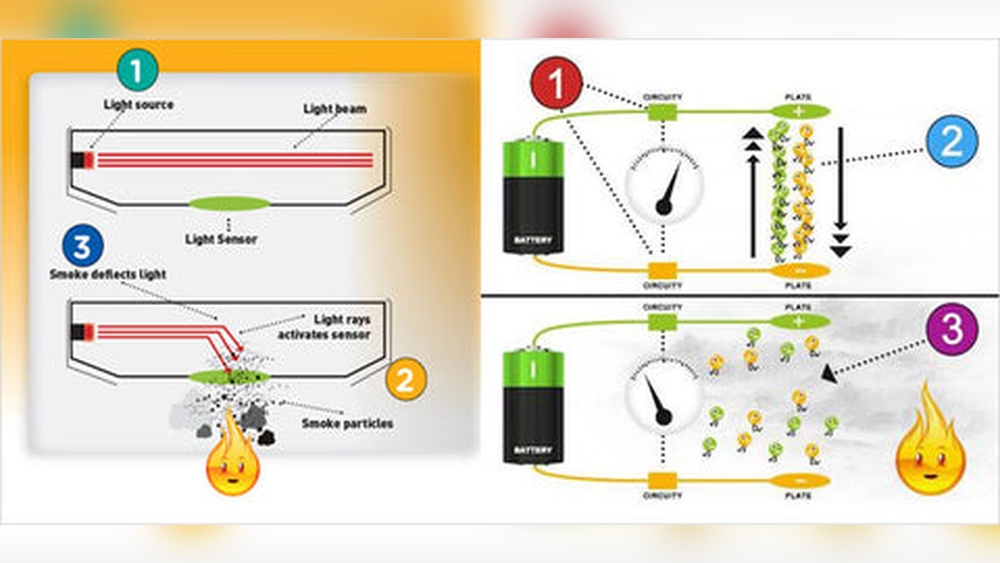
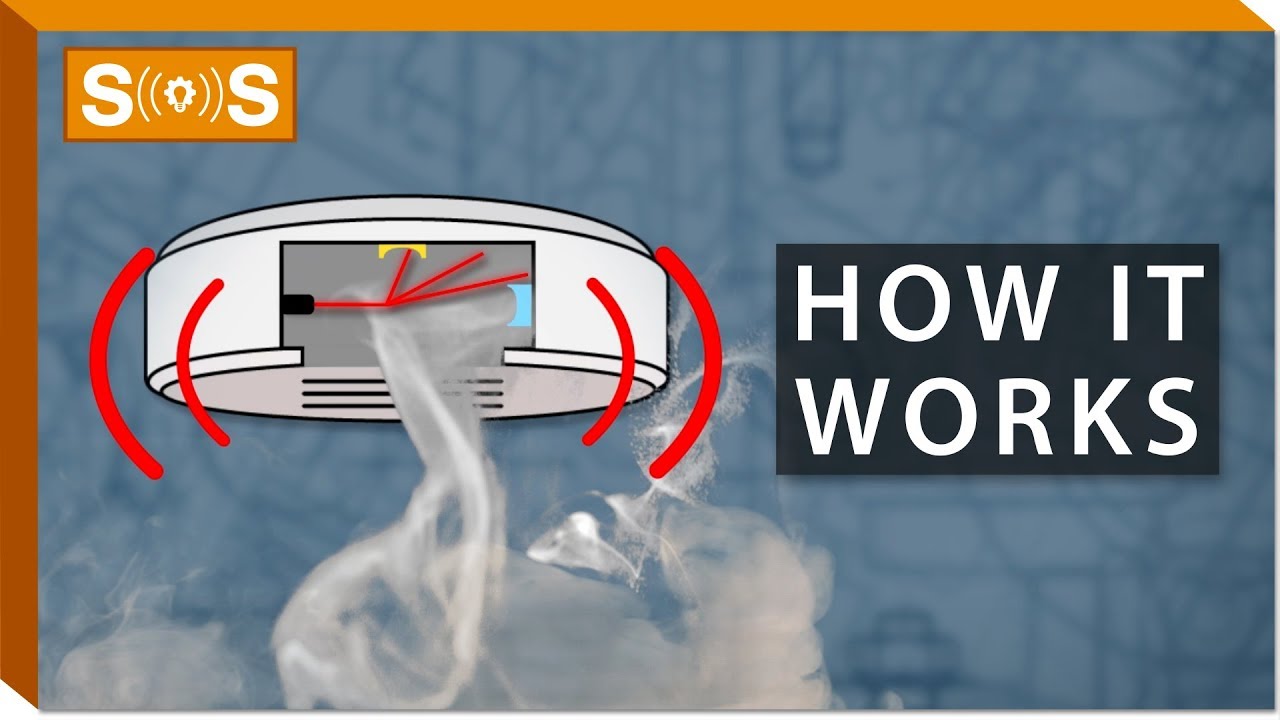
Photoelectric smoke detectors use a light source inside the device. Smoke blocks or scatters this light, triggering the alarm. They are good at sensing slow, smoldering fires with larger smoke particles. These detectors reduce false alarms from cooking smoke.
Combination Smoke Detectors
Combination smoke detectors merge ionization and photoelectric technology. They detect both fast flaming and slow smoldering fires. These devices offer broader protection for homes and offices. Many people prefer them for better safety coverage.
Key Components Inside
Inside a smoke detector, several key parts work together. Each part has a special job. These parts help the detector sense smoke and alert you fast. Understanding these components shows how the device keeps you safe.
Sensors And Chambers
The heart of a smoke detector is its sensor. It detects smoke particles in the air. Most detectors use an ionization or photoelectric sensor. The sensor sits inside a small chamber. This chamber lets smoke enter but blocks light or dust. When smoke fills the chamber, the sensor notices it quickly.
Alarm Systems
The alarm system sounds a loud warning when smoke is detected. It uses a small speaker or buzzer. This sound is very loud to wake you up or alert you. Some alarms also flash a light to grab attention. The alarm only sounds if the sensor finds smoke.
Power Sources
Smoke detectors need power to work. Many use batteries as their main power source. Some models connect to your home’s electricity. Battery-powered detectors usually have a backup battery. This keeps the alarm working during power outages. Power is essential to keep the detector ready at all times.
How Ionization Detectors Sense Smoke
Ionization smoke detectors use a special process to sense smoke. They rely on tiny particles and electrical changes to detect fire early. This type of detector works fast and is common in many homes.
Role Of Radioactive Material
Ionization detectors contain a small amount of radioactive material. This material is usually americium-241. It emits alpha particles that ionize the air inside the detector chamber. This creates a flow of ions and free electrons. The radioactive material is safe because it is sealed inside the detector.
Detection Of Ionized Particles
The detector has two charged plates. The ionized air allows current to flow between these plates. When smoke enters the chamber, it disrupts the ions. Smoke particles attach to ions and reduce the current. The detector senses this drop and triggers the alarm. This process helps detect fast-burning fires with little visible smoke.
How Photoelectric Detectors Detect Smoke
Photoelectric smoke detectors use a simple yet effective method to find smoke. They are very good at sensing smoldering fires. These detectors are common in homes and buildings for safety.
They work by using light and smoke particles. When smoke enters the detector, it changes how light moves inside. This change tells the detector there is smoke nearby.
Light Scattering Principle
Inside the detector, a light source shines a beam into a small chamber. The light usually does not hit the sensor directly. When smoke enters, particles scatter the light.
This scattered light then hits the sensor. The sensor detects this scattered light as a sign of smoke. No smoke means no scattered light reaches the sensor.
Triggering The Alarm
The sensor sends a signal when it detects scattered light. This signal goes to the alarm system. The alarm sounds to warn people about the smoke.
The alarm helps people act quickly to stay safe. Photoelectric detectors often respond faster to slow, smoldering fires. They provide early warning before flames spread.
Installation And Maintenance Tips
Proper installation and maintenance keep smoke detectors working well. They protect your home and family from fire dangers. Follow these simple tips to ensure your smoke detector is always ready to alert you.
Optimal Placement
Place smoke detectors on every level of your home. Install them inside bedrooms and outside sleeping areas. Mount detectors on ceilings or high on walls. Avoid corners and vents to prevent false alarms. Keep detectors at least 10 feet from cooking appliances.
Battery Replacement
Change batteries at least once a year. Use fresh, high-quality batteries for better performance. Some detectors beep when batteries run low. Replace batteries immediately after hearing a low-battery warning. Consider using long-life lithium batteries for less frequent changes.
Regular Testing
Test smoke detectors monthly. Press the test button until the alarm sounds. If the alarm is weak or silent, replace batteries or the unit. Clean detectors gently with a vacuum or soft brush to remove dust. Regular tests ensure the detector works properly every day.

Credit: www.explainthatstuff.com
Common Issues And Troubleshooting
Smoke detectors help keep homes safe by alerting about fires early. Sometimes, they face problems that stop them from working right. Knowing common issues helps fix them fast. This keeps your home safer and avoids false alarms or missed alerts.
False Alarms
False alarms happen when the detector senses smoke or dust that is not from fire. Cooking smoke, steam, or dust can cause this. Clean the detector regularly to avoid false alarms. Keep it away from kitchens or bathrooms if possible. This reduces chances of unnecessary noise and stress.
Sensor Malfunctions
The sensor inside a smoke detector can fail over time. Dirt or insects can block the sensor. This stops it from detecting smoke correctly. Test your detector once a month to check if it works. Replace it if it often gives false alarms or does not sound during tests.
Power Failures
Smoke detectors need power from batteries or home wiring. Dead batteries are a common cause of failure. Change batteries at least once a year or when the low battery alarm sounds. For wired detectors, check connections during home repairs. Power loss means no alert during emergencies.
Future Innovations In Smoke Detection
Smoke detectors have saved many lives by alerting people to fires early. Their technology keeps improving to offer better safety and convenience. Future innovations in smoke detection focus on smarter systems and better home integration. These advances make homes safer and monitoring easier.
Smart Smoke Detectors
Smart smoke detectors use wireless technology to connect with smartphones. They send instant alerts to phones, even when users are away. These devices can detect smoke and carbon monoxide with high accuracy. Some models learn daily patterns to reduce false alarms. They often include voice alerts for clear warnings.
Integration With Home Systems
Modern smoke detectors can link with home security and automation systems. This integration allows automatic actions like unlocking doors during alarms. Lights can flash or turn on to guide residents to safety. Smart systems can notify emergency services instantly. This connected approach enhances home safety and response time.
Credit: www.x-sense.com
Frequently Asked Questions
How Does A Smoke Detector Sense Smoke?
Smoke detectors use sensors to detect smoke particles in the air. Ionization detectors sense tiny particles, while photoelectric detectors detect larger smoke particles. When smoke enters the sensing chamber, the alarm is triggered to alert occupants quickly.
What Are The Main Types Of Smoke Detectors?
There are two main types: ionization and photoelectric smoke detectors. Ionization detectors respond faster to flaming fires, while photoelectric detectors are better for smoldering fires. Many homes use a combination of both for optimal safety.
How Often Should Smoke Detectors Be Tested?
Smoke detectors should be tested monthly to ensure they work properly. Press the test button until the alarm sounds. Replace batteries annually and the entire unit every 10 years for reliable performance.
Why Is Smoke Detector Placement Important?
Proper placement ensures early fire detection and safety. Install smoke detectors on every level, inside bedrooms, and outside sleeping areas. Avoid placing them near kitchens or bathrooms to prevent false alarms.
Conclusion
Smoke detectors save lives by warning about fires early. They sense smoke using light or ions inside. This alert gives people time to leave safely. Testing detectors regularly keeps them working well. Change batteries every six months or as needed.
Place detectors on every floor and near bedrooms. Understanding how smoke detectors work helps protect homes. Safety starts with simple, smart devices like these. Stay safe, stay prepared.