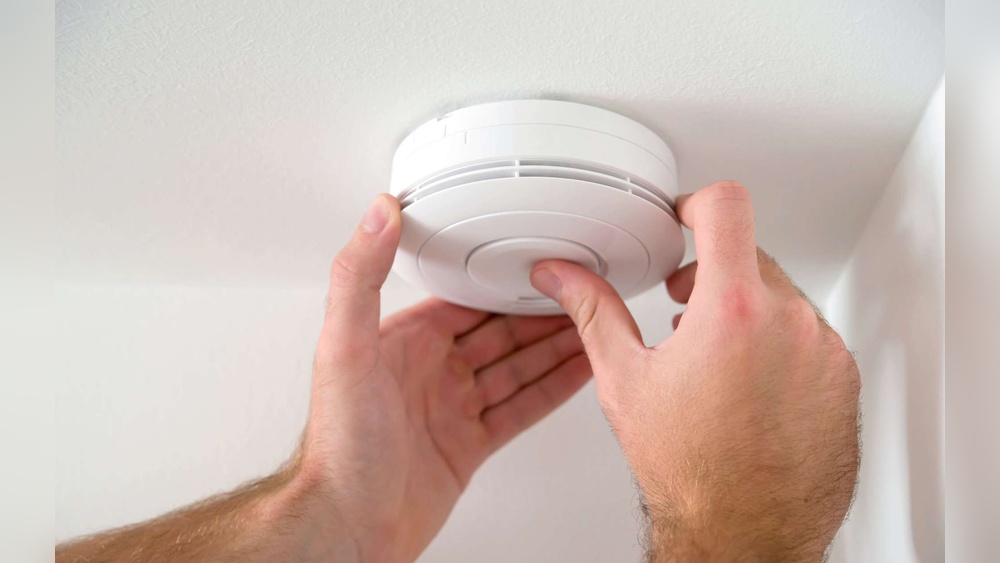

Is your smoke detector constantly chirping and driving you crazy? That annoying beep can disrupt your peace, especially when it happens at the worst times.
You might wonder why it keeps chirping and how to make it stop without replacing the whole unit. You’ll discover simple, effective steps to silence your smoke detector for good. Keep reading to regain your quiet space and ensure your home stays safe.

Credit: waynealarm.com
Why Smoke Detectors Chirp
Smoke detectors chirp to alert you about important issues. These sounds are not random. They tell you when something needs your attention. Understanding why your smoke detector chirps helps keep your home safe. It also helps stop the annoying noise quickly.
Low Battery Signals
Most smoke detectors chirp because their batteries run low. The chirping is a warning to replace the battery soon. A weak battery can make the detector stop working. Changing the battery keeps your smoke detector ready to protect your home.
Dust And Debris Issues
Dust or dirt inside the smoke detector can cause chirping. Dust blocks the sensor, making it think there is smoke. Cleaning the detector regularly stops these false alarms. Use a soft brush or vacuum to remove dust carefully.
End Of Life Alerts
Smoke detectors do not last forever. After about 8 to 10 years, they reach their end of life. At this time, the detector chirps to tell you to replace it. Using an old detector is risky. A new one works better and keeps you safer.
Quick Battery Replacement Tips
Quick battery replacement stops your smoke detector from chirping. It saves time and keeps your home safe. Follow simple steps to replace batteries easily. Use the right battery. Remove old ones safely. Install new ones correctly.
Choosing The Right Battery
Check your smoke detector’s manual for the battery type. Most use 9-volt or AA batteries. Choose fresh batteries with a good expiration date. Avoid cheap batteries that may fail quickly. Quality batteries ensure longer device life and fewer chirps.
Safe Battery Removal
Turn off the smoke detector before removing the battery. Use a small screwdriver if needed to open the cover. Handle the battery carefully to avoid acid leaks. Dispose of old batteries at a recycling center. Never throw batteries in regular trash.
Installing New Batteries Correctly
Match battery terminals to the device’s contacts. Place the battery snugly inside the compartment. Close the cover securely to avoid loose connections. Test the smoke detector by pressing the test button. A clear beep means the battery is installed right.
Cleaning Your Smoke Detector
Cleaning your smoke detector is a simple way to stop it from chirping. Dust and dirt can block its sensors. This makes the alarm think there is a problem. Regular cleaning keeps the detector working well and quiet.
Tools Needed For Cleaning
- A soft brush or a small paintbrush
- A vacuum cleaner with a soft brush attachment
- A dry cloth
- Batteries (for replacement if needed)
Step-by-step Cleaning Process
- Turn off the power to the smoke detector.
- Remove the detector from the ceiling or wall.
- Use the soft brush to gently clean around the vents.
- Vacuum the vents to remove dust inside the unit.
- Wipe the outside with a dry cloth to remove surface dirt.
- Check the battery and replace it if it is old.
- Put the smoke detector back and turn the power on.
Preventing Future Dust Build-up
Clean your smoke detector every six months. Avoid placing it near windows or vents. These areas bring in more dust. Keep your home dust-free by regular cleaning. This helps the detector stay clean and quiet.

Credit: www.angi.com
Resetting The Smoke Detector
Resetting the smoke detector often stops the annoying chirping sound. This sound usually means the detector needs attention. Resetting helps clear minor errors and prepares the device for normal use again.
Many people do not know when or how to reset their smoke detectors. The process is simple and can save time and stress. Here are key points about resetting your smoke detector.
When To Reset
Reset the smoke detector after changing the battery. It also helps after cleaning the unit. Sometimes, the detector chirps due to a power surge. Resetting can fix this issue quickly.
Do not reset if the detector senses smoke or fire. Always check for actual danger first. Only reset when you confirm the area is safe.
Reset Methods
Most smoke detectors have a reset button. Press and hold it for 15 to 20 seconds. The chirping should stop after this.
For some models, removing the battery and unplugging the device works. Wait for 30 seconds before reinstalling power and battery. This power cycle resets the system.
Read your smoke detector’s manual for exact reset steps. Different brands may have unique methods.
Troubleshooting Reset Issues
If the chirping continues after a reset, check the battery quality. Weak or old batteries cause repeated chirps.
Clean the smoke detector gently with a vacuum or soft brush. Dust can trigger false alarms or chirps.
Replace the smoke detector if it still chirps. It may be faulty or at the end of its life.
Replacing An Old Smoke Detector
Smoke detectors are crucial for home safety. Over time, old detectors may start chirping. This noise warns you it might be time for a replacement. Replacing an old smoke detector ensures your home stays protected. It also stops the annoying chirping sound that can disrupt your peace.
Signs It’s Time To Replace
Smoke detectors usually last about 8 to 10 years. If your detector chirps even after changing the battery, it may be old. Look for physical damage or yellowing plastic. These signs mean the detector is worn out. Frequent false alarms also show it might need replacement. Don’t ignore these warning signs to keep your home safe.
Choosing A New Detector
Pick a smoke detector that suits your home’s needs. Photoelectric detectors work well for slow, smoldering fires. Ionization detectors react faster to fast, flaming fires. Combination detectors offer both protections in one device. Choose a model with a long-life battery or hardwired power. Make sure the detector has a loud, clear alarm sound.
Installation Tips
Install smoke detectors on every level of your home. Place them inside bedrooms and outside sleeping areas. Mount them on the ceiling or high on the wall. Avoid installing near windows, doors, or vents to prevent false alarms. Test the new detector after installation to ensure it works. Replace batteries yearly or follow the manufacturer’s instructions.
Preventing Chirping In The Future
Stopping a smoke detector from chirping is important. It keeps your home safe and quiet. Preventing chirping before it starts saves time and worry. Simple steps help keep your smoke detector working well. Follow these tips to avoid future chirping problems.
Regular Maintenance Schedule
Check your smoke detector every month. Clean dust and dirt from the device gently. Use a soft brush or vacuum with a brush attachment. Test the alarm to ensure it works properly. Regular checks reduce the chance of false chirps. Keep a calendar reminder for maintenance tasks.
Battery Replacement Reminders
Replace batteries once a year or as needed. Use fresh batteries to avoid low power signals. Some detectors beep when batteries run low. Set alarms on your phone to remind you. Keep spare batteries nearby for quick changes. Proper battery care stops unexpected chirping sounds.
Environmental Tips
Place smoke detectors away from kitchens and bathrooms. Steam and cooking smoke cause false alarms and chirping. Avoid areas with high humidity or dust. Keep detectors at recommended heights on walls or ceilings. Proper placement prevents frequent chirping and improves safety. Check your manual for the best locations.

Credit: www.youtube.com
Frequently Asked Questions
Why Does My Smoke Detector Keep Chirping?
Your smoke detector chirps to signal low battery or a malfunction. It warns you to replace the battery or check the device for issues. Regular maintenance ensures safety and prevents false alarms.
How Can I Stop A Smoke Detector From Chirping?
To stop chirping, replace the battery with a fresh one. Clean the detector to remove dust or debris. If chirping continues, reset or replace the smoke detector.
How Often Should I Change Smoke Detector Batteries?
You should change smoke detector batteries at least once a year. Replace them immediately if the detector starts chirping. Regular battery changes ensure the device functions correctly.
Can A Dirty Smoke Detector Cause Chirping Sounds?
Yes, dust and dirt can cause false chirping in smoke detectors. Clean the detector gently with a vacuum or soft brush to fix this. Keeping it clean maintains proper sensor function.
Conclusion
A chirping smoke detector can be very annoying. Changing the battery often stops the noise fast. Cleaning the detector helps it work better. Make sure the device is properly installed. Test the smoke detector regularly for safety. Ignoring the sound can put your home at risk.
Stay calm and fix the problem quickly. A quiet smoke detector means your home is safer. Taking these steps keeps your family protected every day.