Have you ever wondered if your home has enough smoke detectors to keep you and your loved ones safe? Knowing how many smoke detectors you need isn’t just about following rules—it can make a real difference in an emergency.
Too few detectors might leave you vulnerable, while the right number can give you precious seconds to act. You’ll discover exactly how many smoke detectors you should have and where to place them for the best protection. Keep reading—your safety depends on it.
Credit: money.com
Importance Of Smoke Detectors
Smoke detectors save lives by alerting people to fire early. They give time to escape before smoke spreads. Fires can start quickly and silently. Smoke detectors act as the first warning system in homes. Their importance cannot be overstated. Every home needs enough detectors to cover all key areas.
Without smoke detectors, fires often go unnoticed until too late. Many fire-related injuries happen due to delayed warnings. Smoke detectors reduce the risk of injury and death. They also help protect property by allowing faster response.
Early Warning Saves Lives
Smoke detectors sense smoke and sound an alarm immediately. This early warning helps people get out safely. Time is critical in a fire emergency. Even a few extra minutes can make a big difference. Smoke detectors provide this vital time to act.
Protection During Sleep
Most fire deaths happen at night during sleep. Smoke detectors wake people up from deep sleep. They alert everyone in the house to danger. This helps prevent smoke inhalation and burns. Smoke detectors protect families when they are most vulnerable.
Simple And Affordable Safety
Smoke detectors are easy to install and maintain. They cost little compared to the safety they provide. Battery-operated models work even during power outages. Regular testing ensures they function properly. This small device offers great peace of mind.
Recommended Number By Room
Knowing the right number of smoke detectors for each room is key to home safety. Different rooms need different coverage. Some areas require more detectors than others. This guide helps you understand how many smoke alarms you need in each space.
Bedrooms
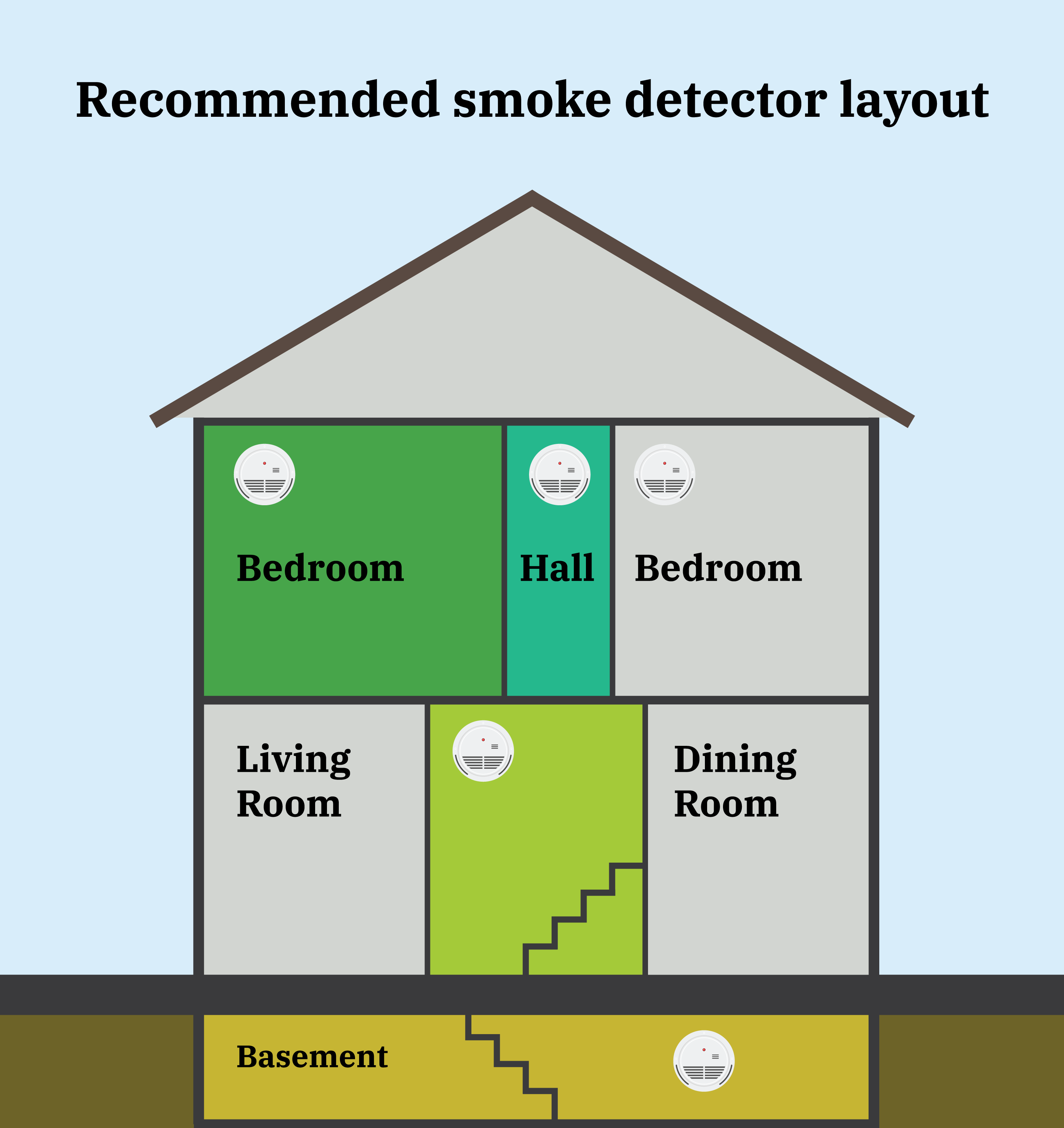
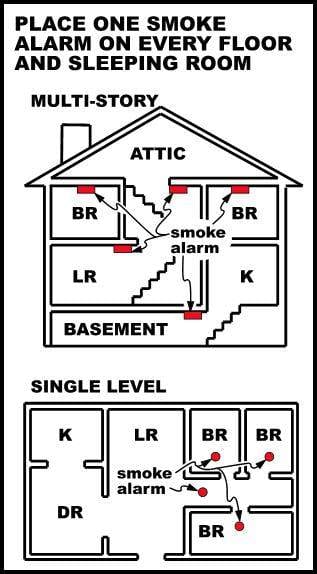
Place a smoke detector inside every bedroom. This protects sleeping family members from smoke and fire. Also, install detectors just outside bedroom doors in hallways. It gives early warning to everyone in the sleeping areas.
Living Areas
Install at least one smoke detector in every living room. These rooms are common places for fires to start. If your living area is large or open, consider adding extra detectors. This ensures full coverage and quick alerts.
Kitchens
Use a smoke detector near the kitchen, but not inside it. Cooking smoke may cause false alarms. Place it at least 10 feet away from cooking appliances. This balance reduces false alarms and keeps you safe.
Basements And Attics
Basements and attics also need smoke detectors. Fires can start in these hidden spaces. Install detectors on the ceiling or high on the wall. Check batteries regularly for reliable protection in these areas.
Placement Tips
Proper placement of smoke detectors is key to home safety. Correct spots help detectors sense smoke fast. This leads to quick alerts and saves lives. Think about where to install them carefully. Avoid spots that cause false alarms or miss smoke. Follow these tips for the best results.
Ceiling Vs. Wall Installation
Ceiling installation is usually best for smoke detectors. Smoke rises, so ceilings catch it first. Place detectors at least 4 inches away from walls. If you install on walls, put them 4 to 12 inches below the ceiling. Avoid corners where smoke might not reach easily. Keep detectors away from vents or fans. These can blow smoke away and delay alarms.
Avoiding False Alarms
False alarms can be annoying and unsafe. Avoid placing detectors too close to bathrooms or kitchens. Steam and cooking smoke often trigger false alerts. Also, stay away from dusty or dirty areas. Dust can block sensors and cause false alarms. Regularly clean detectors to keep them working well.
Distance From Cooking Appliances
Keep smoke detectors 10 feet or more from cooking appliances. Cooking smoke often causes false alarms. This distance reduces unnecessary alerts while still protecting your home. Use heat alarms near ovens and stoves for better detection. This balances safety without frequent false alarms.
Types Of Smoke Detectors
Smoke detectors save lives by warning you about fire early. There are different types of smoke detectors. Each type works in a special way. Knowing these types helps you choose the best one for your home.
Some detectors sense fast flames, while others detect slow, smoldering fires. You can also find alarms that combine both methods. Let’s explore the main types of smoke detectors.
Ionization Detectors
Ionization detectors use a small amount of radioactive material. It helps detect tiny smoke particles from fast, flaming fires. These detectors react quickly to sudden flames. They are common in many homes. Best used near kitchens or living rooms where fast fires may start.
Photoelectric Detectors
Photoelectric detectors use light to spot smoke. They detect larger smoke particles from slow, smoldering fires. These fires produce thick, heavy smoke. Photoelectric alarms give early warnings for these hidden fires. Ideal for bedrooms and places where smoke may build slowly.
Combination Alarms
Combination alarms include both ionization and photoelectric sensors. They cover both fast and slow fire types. These alarms offer wider protection in one device. They reduce false alarms and improve safety. Good choice for whole-house coverage.
Maintenance And Testing
Smoke detectors save lives. They warn you early about fire risks. Proper maintenance keeps them working well. Testing and cleaning ensure they respond quickly. Follow simple steps to maintain your alarms.
Regular Battery Replacement
Change batteries every six months. Use fresh, high-quality batteries only. Dead batteries cause alarms to fail. Some models have long-life batteries. Still, check them often for safety.
Cleaning Detectors
Dust and dirt block smoke sensors. Clean detectors gently with a soft brush or cloth. Avoid water or harsh chemicals. Regular cleaning helps alarms detect smoke better. Clean at least twice a year.
Testing Alarm Functionality
Test alarms monthly by pressing the test button. The alarm sound must be loud and clear. Replace the detector if it does not work. Regular tests confirm your safety system works right.
Credit: georgebrazilplumbingelectrical.com
Legal Requirements And Standards
Knowing the legal requirements and standards for smoke detectors is very important. These rules help keep homes safe by making sure smoke alarms are properly installed. Different places have different laws. Following them can protect your family and property.
Local Building Codes
Local building codes set rules for smoke detector placement. They say where and how many alarms you need. These codes vary by city or state. Usually, you must have alarms in bedrooms and hallways. Some places require alarms on every floor of the home.
Fire Safety Regulations
Fire safety regulations guide the type and quality of smoke detectors. They ensure alarms meet safety tests and standards. Regulations also tell you how often to check or replace alarms. These rules help reduce fire risks and save lives.
Insurance Guidelines
Insurance companies may require smoke detectors for coverage. They check if your home has enough alarms. Meeting their guidelines can lower your insurance rates. Proper smoke detectors can also speed up claims after a fire.
Advanced Safety Features
Advanced safety features in smoke detectors improve home protection. They offer more than just loud alarms. These features connect devices and provide clearer alerts.
Choosing smoke detectors with these technologies helps keep your family safer. They detect fire or danger faster and warn everyone in the house. Let’s explore key advanced features.
Interconnected Alarms
Interconnected alarms link all smoke detectors in your home. When one alarm senses smoke, all alarms ring at once. This alert spreads quickly, even if fire starts far away.
This feature is vital in larger homes. It gives everyone time to react and escape safely. Hardwired or wireless systems can be interconnected for convenience.
Smart Smoke Detectors
Smart smoke detectors connect to your phone or smart home system. They send alerts to your device if smoke or fire is detected. You can check your home’s safety anytime.
These detectors often include silence and test functions via an app. They help reduce false alarms caused by cooking or steam. Smart detectors add peace of mind, especially when away.
Carbon Monoxide Integration
Some smoke detectors also detect carbon monoxide (CO), a deadly, odorless gas. Combining smoke and CO sensors reduces the number of devices needed. It alerts for both fire and gas dangers.
CO integration is crucial in homes with gas appliances. Early warnings prevent poisoning and save lives. Choose detectors with clear indicators for both smoke and CO.

Credit: www.firstalert.com
Frequently Asked Questions
How Many Smoke Detectors Are Needed Per Home?
You should install at least one smoke detector on every floor. Place detectors inside each bedroom and outside sleeping areas. This ensures early fire detection and maximum safety for all occupants.
Where Should Smoke Detectors Be Installed In A House?
Install smoke detectors inside bedrooms, outside sleeping areas, and on every floor. Avoid kitchens and bathrooms to reduce false alarms. Proper placement ensures quick alerts and better fire protection.
Can One Smoke Detector Protect An Entire Floor?
No, one detector per floor is not enough. Multiple detectors are needed for large or complex floor plans. Proper coverage improves early warning and safety during emergencies.
How Often Should Smoke Detectors Be Tested And Replaced?
Test smoke detectors monthly to ensure they work properly. Replace batteries yearly or as needed. Replace the entire unit every 10 years for reliable performance.
Conclusion
Every home needs enough smoke detectors for safety. Place one inside each bedroom and outside sleeping areas. Also, install detectors on every level of your house. Test them monthly and replace batteries yearly. Working smoke detectors save lives by giving early warnings.
Protect your family by having the right number of detectors. Don’t wait for danger—act now to stay safe. Safety starts with simple steps and smart choices.