
Have you ever wondered if your home is truly safe from fire hazards? One simple device can make all the difference: smoke detectors.
But how many smoke detectors do you really need in your house to keep your family protected? Installing too few might leave dangerous blind spots, while too many could be unnecessary and costly. You’ll discover exactly how many smoke detectors your home needs, where to place them, and why each one matters.
Keep reading to ensure your home is as safe as it can be—because when it comes to fire safety, every second counts.
Credit: support.firediscounter.be
Smoke Detector Basics
Smoke detectors are essential for home safety. They alert you early to fire and smoke dangers. Understanding their basics helps you protect your family and property. Knowing the types and how they work is key to choosing the right ones for your house.
Types Of Smoke Detectors
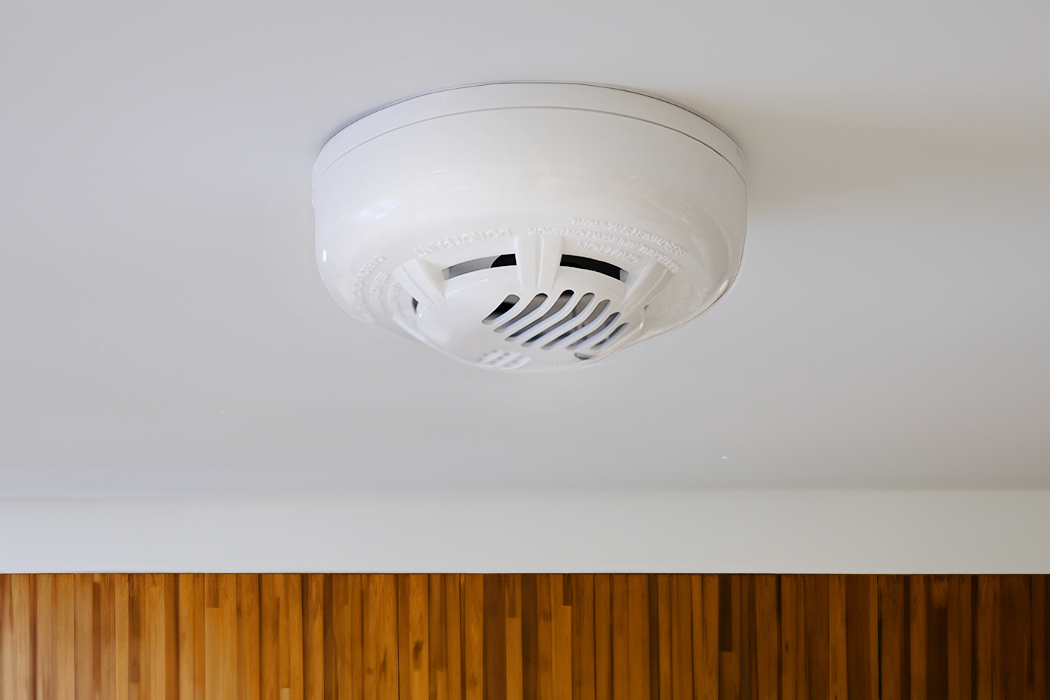
Two main types of smoke detectors exist: ionization and photoelectric. Ionization detectors react quickly to fast flames. Photoelectric detectors respond better to slow, smoldering fires. Some models combine both types for wider protection. Battery-operated and hardwired options are available. Hardwired detectors connect to your home’s power with battery backup.
How Smoke Detectors Work
Smoke detectors sense smoke particles in the air. Ionization detectors use a small amount of radioactive material. It detects changes when smoke enters the sensing chamber. Photoelectric detectors use a light beam and sensor. Smoke scatters the light, triggering the alarm. Both types alert you with a loud sound. Regular testing ensures they work properly.
Credit: brinkshome.com
Placement Guidelines
Proper placement of smoke detectors is essential for home safety. It ensures early detection of fire and gives enough time to act. Knowing where to install smoke alarms helps protect your family and property. Follow these guidelines to place your smoke detectors correctly.
Rooms That Need Smoke Detectors
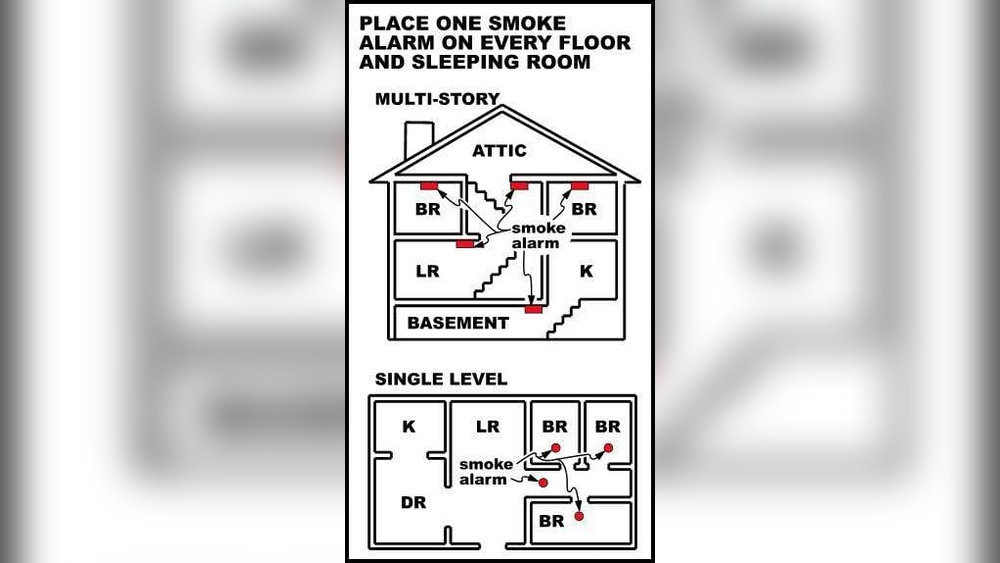
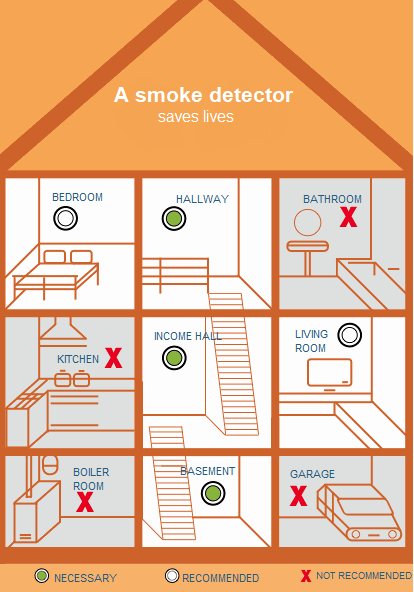
Install smoke detectors in every bedroom. Also, place one outside each sleeping area. Hallways and common living spaces need detectors too. Basements and attics should not be ignored. These rooms often have hidden fire risks.
Recommended Locations Per Floor
Put at least one smoke detector on every floor of your home. This includes the basement and the attic. Ceiling placement is best, at least 4 inches away from walls. Avoid corners where smoke may not reach easily. For larger floors, add extra detectors for full coverage.
Avoiding False Alarms
Keep smoke detectors away from kitchens and bathrooms. Steam and cooking smoke can trigger false alarms. Place alarms at least 10 feet from cooking appliances. Avoid installing near windows or vents where drafts can interfere. Regularly clean detectors to prevent dust buildup.
Quantity Recommendations
Knowing the right number of smoke detectors for your home is key to keeping your family safe. Smoke detectors must cover all sleeping areas and common spaces. The number depends on your home’s size and layout. Here are clear guidelines on how many smoke detectors you need for different homes.
Minimum Number Per Home Size
Small homes need at least one smoke detector per bedroom. A hallway outside sleeping areas also requires a detector. At least one detector in the living room or main area is important. For a two-bedroom home, this means three detectors as a minimum.
Additional Units For Larger Houses
Larger homes need extra smoke detectors for full coverage. Add one detector for every 1,000 square feet of living space. Place detectors in all bedrooms, hallways, and common rooms. Don’t forget the kitchen area, but keep detectors away from cooking appliances to avoid false alarms.
Special Considerations For Multi-level Homes
Each floor needs smoke detectors. Install one near stairways to cover vertical space. Basements require a detector if they have a living area or furnace. Attics with living space or electrical panels should also have a detector. This setup ensures alarms alert you no matter where the fire starts.
Installation Tips
Proper installation of smoke detectors is key for home safety. Correct placement and type ensure early fire detection. Follow these tips to install your smoke detectors effectively.
Mounting Height And Position
Install smoke detectors on the ceiling or high on walls. Smoke rises, so higher placement detects fire sooner. Avoid corners or areas near windows and vents. Keep detectors at least 10 feet from cooking appliances.
Place units in every bedroom and outside each sleeping area. Install one on every level of your house. This ensures coverage and faster alerts during emergencies.
Interconnected Vs. Standalone Units
Interconnected smoke detectors link together. When one sounds, all alarms ring simultaneously. This feature helps alert everyone in the home quickly.
Standalone units work independently. They are easier to install but may delay warning other rooms. Choose interconnected models for larger homes for better safety.
Battery Vs. Hardwired Options
Battery-powered detectors are simple to install and flexible. Replace batteries regularly to keep them working. Hardwired detectors connect to home electricity and often have battery backup.
Hardwired units require professional installation. They offer reliable power and fewer false alarms. Pick battery or hardwired based on your home’s needs and budget.
Maintenance And Testing
Maintaining and testing smoke detectors is vital for home safety. Smoke alarms save lives by warning about fires early. Regular maintenance ensures they work properly when needed. Neglect can lead to false alarms or no warning at all.
Routine Checks
Test smoke detectors every month. Press the test button until the alarm sounds. If it does not beep loudly, check the batteries or replace the unit. Clean dust and debris gently using a soft brush or vacuum. Keep detectors free from paint or decorations.
Battery Replacement
Replace batteries at least once a year. Use the correct battery type for your alarm. Some alarms have sealed batteries that last 10 years. For these, no battery change is needed. Always check the alarm’s instructions for battery details.
When To Replace Smoke Detectors
Replace smoke detectors every 10 years. Over time, sensors wear out and become less reliable. Write the installation date on the back of each alarm. If alarms fail tests after battery changes, replace them immediately. Proper replacement ensures your home stays safe.
Legal And Safety Standards
Legal and safety standards guide how many smoke detectors a house needs. These rules protect families by ensuring early fire detection. They vary by location but all aim to reduce fire risks. Understanding these standards helps keep your home safe and compliant.
Building Codes
Building codes set the minimum number of smoke detectors in homes. Most codes require one in every bedroom. They also need detectors outside sleeping areas and on each floor. New buildings follow stricter rules than older homes. Always check local codes for specific requirements.
Fire Department Recommendations
Fire departments suggest more smoke detectors than the law requires. They want detectors in all bedrooms, hallways, and living areas. Some advise adding detectors near kitchens and basements. Their advice aims to catch fires early from any source. Following these tips improves home safety greatly.
Insurance Requirements
Insurance companies may require smoke detectors for coverage. They often ask for detectors on every floor. Some insurers want interconnected alarms for faster alerts. Meeting these rules can lower insurance premiums. Check your policy to understand your insurer’s demands.

Credit: www.firstalert.com
Frequently Asked Questions
How Many Smoke Detectors Are Required Per Floor?
At least one smoke detector is needed on every floor of your home. This includes basements and attics. Installing one in every bedroom and hallway is also recommended for maximum safety.
Where Should Smoke Detectors Be Placed In A House?
Smoke detectors should be installed inside each bedroom, outside sleeping areas, and on every level. Avoid placing them near kitchens or bathrooms to reduce false alarms. Proper placement ensures early fire detection and safety.
How Often Should Smoke Detectors Be Replaced?
Smoke detectors should be replaced every 10 years. Battery-operated models need battery changes at least once a year. Regular maintenance ensures they function properly during emergencies.
Can Fewer Smoke Detectors Still Provide Adequate Protection?
Using fewer detectors increases risk and delays fire detection. It’s best to follow safety guidelines and install recommended numbers. Proper coverage improves early warning and saves lives.
Conclusion
Every home needs enough smoke detectors for safety. Place one inside each bedroom and outside sleeping areas. Also, install detectors on every floor, including the basement. Test them monthly and replace batteries yearly. Proper placement saves lives and gives peace of mind.
Don’t wait—check your home today. Safety starts with simple steps.


