
Have you ever needed to take off a smoke detector but didn’t know where to start? Whether it’s for changing the batteries, cleaning, or replacing the unit, removing your smoke detector can feel tricky if you’re not sure how to do it safely.
You’ll discover simple, step-by-step instructions to help you remove your smoke detector quickly and without damage. Keep reading, and you’ll gain the confidence to handle this common home task like a pro.
Tools Needed
Removing a smoke detector is simple with the right tools. Having these tools ready makes the process faster and safer. Most tools come from your home or are easy to buy. Knowing what you need helps avoid mistakes.
Common Household Tools
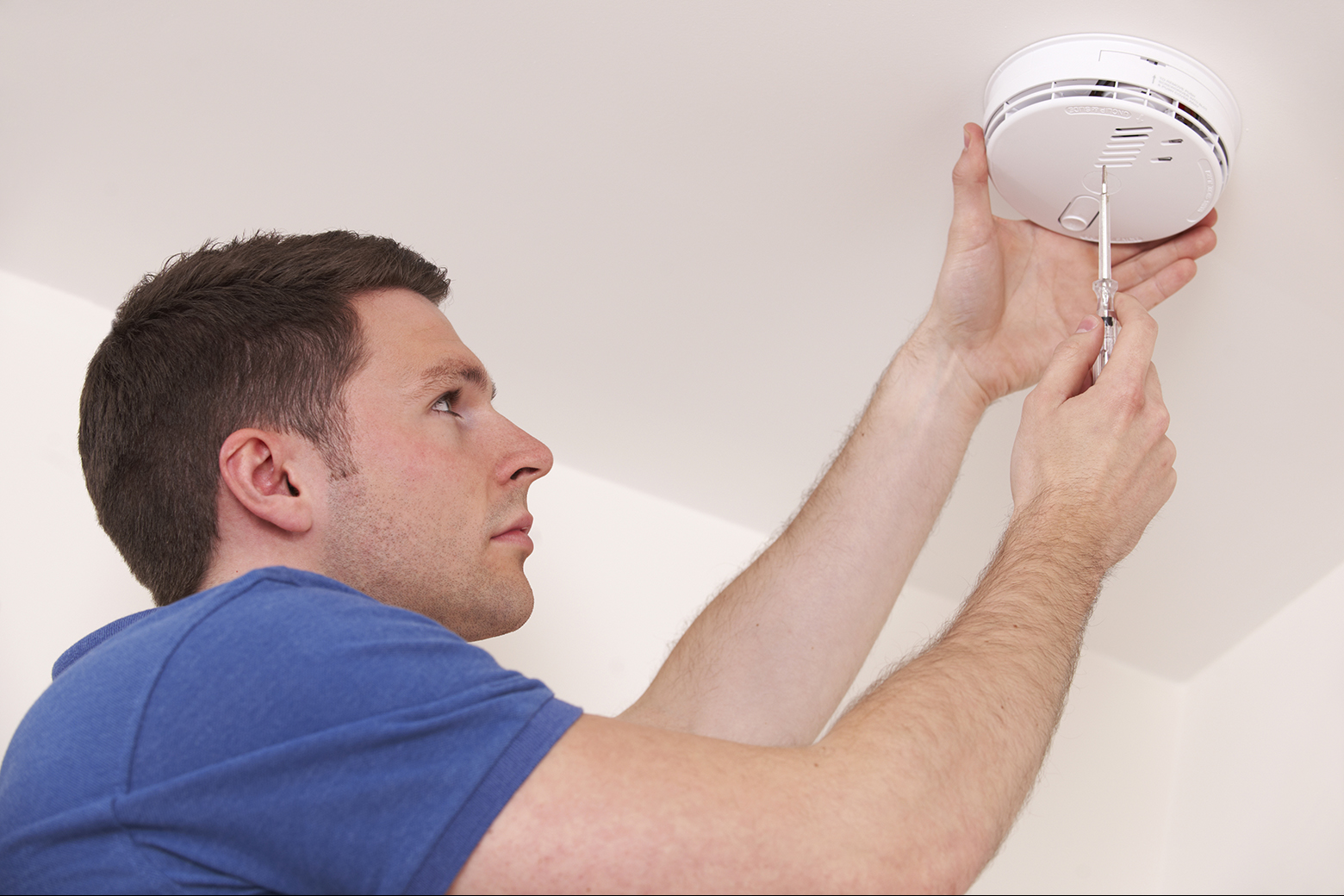
A flathead screwdriver is often needed to pry the detector off its base. A ladder or step stool helps reach the ceiling safely. Sometimes, a small Phillips screwdriver is required to remove screws. Having a flashlight is useful if the area is dark. Keep a small container nearby to hold screws and parts.
Safety Gear
Safety goggles protect your eyes from dust and debris. Wearing gloves keeps your hands clean and safe from sharp edges. A dust mask can stop you from breathing in dust particles. Comfortable clothing that covers your skin helps avoid scratches. Use a stable ladder to prevent falls while reaching high places.
Credit: www.netatmo.com
Preparing For Removal
Preparing to remove a smoke detector requires a few important steps. Taking these steps ensures safety and makes the process easier. Proper preparation saves time and avoids damage.
Start by understanding the power source and gathering the right tools. Safety is the top priority before you begin.
Turn Off Power
Switch off the power at the circuit breaker. This prevents electric shocks while removing the detector. Do not rely on just removing the batteries. Turning off the power cuts all electricity to the device. Use a voltage tester to confirm the power is off. Safety first, always.
Gather Necessary Items
Collect tools like a screwdriver and a ladder. Have a flashlight ready for dim areas. Keep a small container for screws and parts. Wear gloves to protect your hands. Prepare a step stool if the detector is high. Being ready with these items speeds up removal.
Step-by-step Removal
Removing a smoke detector is a simple task that anyone can do. Follow these clear steps to take it off safely. Each step helps protect you and your home from damage or injury.
Locate The Smoke Detector
Find the smoke detector on your ceiling or wall. Most are in hallways, kitchens, or bedrooms. Use a sturdy chair or ladder to reach it safely.
Remove The Cover
Hold the smoke detector cover firmly. Twist it counterclockwise or pull it gently, depending on the model. The cover should come off easily without force.
Disconnect The Battery
Look inside for the battery compartment. Remove the battery carefully to stop the alarm. Some models have a battery pack or a small tab to pull.
Detach The Detector From The Ceiling
Check how the smoke detector is fixed to the ceiling. Usually, it twists off or slides from a mounting bracket. Turn or slide the unit to free it from the base.

Credit: www.youtube.com
Handling Different Types
Smoke detectors come in different types. Each type needs a different way to remove it safely. Knowing your smoke detector type helps you take it off easily. Handle each type carefully to avoid damage or false alarms.
Battery-operated Models
Battery-operated smoke detectors are common in many homes. To remove one, first twist the detector counterclockwise. It usually turns off the locking mechanism. Pull the detector gently from the mounting plate.
Open the battery compartment and remove the batteries. Replace them if needed. Keep the detector away from dust or dirt while detached. Avoid pulling the detector hard to prevent damage to the wiring.
Hardwired Smoke Detectors
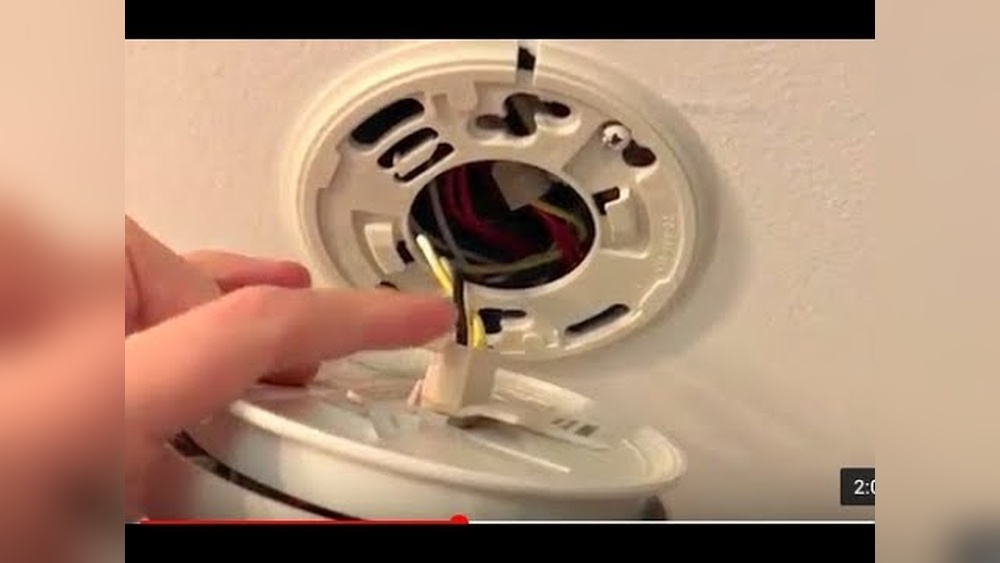
Hardwired smoke detectors connect directly to your home’s power. Before removal, turn off the power at the circuit breaker. This step avoids electric shock.
Remove the detector by twisting it counterclockwise or pressing a release tab. Gently pull it away from the mounting bracket. Disconnect the wiring harness carefully. Do not yank the wires to prevent damage.
Handle the detector with care to keep the wires intact. After removal, keep the detector safe if you plan to reinstall it later.
Common Issues And Solutions
Removing a smoke detector can sometimes be tricky. Some problems happen more often than others. Knowing these issues helps you solve them fast. This section covers common troubles and how to fix them.
Stuck Or Stubborn Detectors
Smoke detectors can get stuck on the ceiling. Dust or paint may cause this. Try turning the detector gently left or right. Use a little force but be careful not to break it. A flat tool like a screwdriver can help to pry it loose. Avoid pulling straight down to stop damage. If it still won’t come off, check for screws or clips holding it.
Replacing Old Or Faulty Units
Old smoke detectors may not work well. Faulty alarms might beep all the time. Remove the old unit carefully before installing a new one. Always turn off the power at the breaker first. Disconnect the wires by loosening the screws or connectors. Note how the wires connect to the old unit. Attach the new detector following the same wiring. Secure it tightly to the mounting bracket. Test the new alarm to make sure it works.

Credit: www.wikihow.com
Disposal And Replacement
Removing a smoke detector is only the first step. Proper disposal and replacement keep your home safe. Old detectors can stop working or lose sensitivity. Dispose of them carefully to protect the environment. Install a new one to maintain fire safety.
Safe Disposal Methods
Smoke detectors contain small amounts of radioactive material. Do not throw them in regular trash. Check local rules for hazardous waste disposal. Some areas have special collection points or recycling centers. Wrap the detector in plastic to avoid damage. Take it to the designated disposal site. This prevents harmful substances from leaking into the soil.
Installing A New Detector
Choose a smoke detector that fits your needs. Battery-powered models are easy to install. Hardwired units connect to your home’s electrical system. Mount the detector on the ceiling or high on a wall. Avoid corners or areas near vents. Test the new detector by pressing the test button. Replace batteries regularly to keep it working well.
Frequently Asked Questions
How Do You Safely Remove A Smoke Detector?
Turn off the power at the circuit breaker. Twist the smoke detector counterclockwise to detach it. Disconnect the battery and wiring carefully before fully removing it from the ceiling or wall.
What Tools Are Needed To Take Off A Smoke Detector?
Usually, no tools are needed. Most smoke detectors twist off by hand. If screws are present, use a screwdriver to remove them gently.
How Do You Disconnect The Smoke Detector Wiring?
After twisting off the detector, gently pull it down. Locate the wiring connector and press the release tab. Carefully separate the wires without damaging them.
Can You Remove A Smoke Detector Without Power Off?
It’s unsafe to remove a smoke detector without cutting power. Turning off the power prevents electric shock and accidental alarms during removal.
Conclusion
Removing a smoke detector is simple with the right steps. Always turn off the power first. Then, twist or unclip the detector carefully. Keep the device away from dust and dirt. Check the battery or replace the whole unit if needed.
Safety is the key while handling smoke detectors. Following these tips helps protect your home and family. Stay calm, take your time, and work safely.