
Have you ever wondered how hardwired smoke detectors work together to keep your home safe? Understanding how these devices communicate can give you peace of mind knowing that if one alarm senses danger, all of them will alert you instantly.
This connection isn’t magic—it’s a smart system designed to protect you and your loved ones. You’ll discover exactly how hardwired smoke detectors talk to each other and why that communication is crucial for your safety. Keep reading to learn how this technology works and how it benefits your home security.
Basics Of Hardwired Smoke Detectors
Hardwired smoke detectors are fixed systems designed to keep homes safe. They connect directly to a building’s electrical system. This connection allows them to work continuously without relying on batteries alone.
These detectors often link to each other. This feature helps all alarms sound together if one detects smoke. Understanding their parts and power helps explain how they communicate.
Components And Design
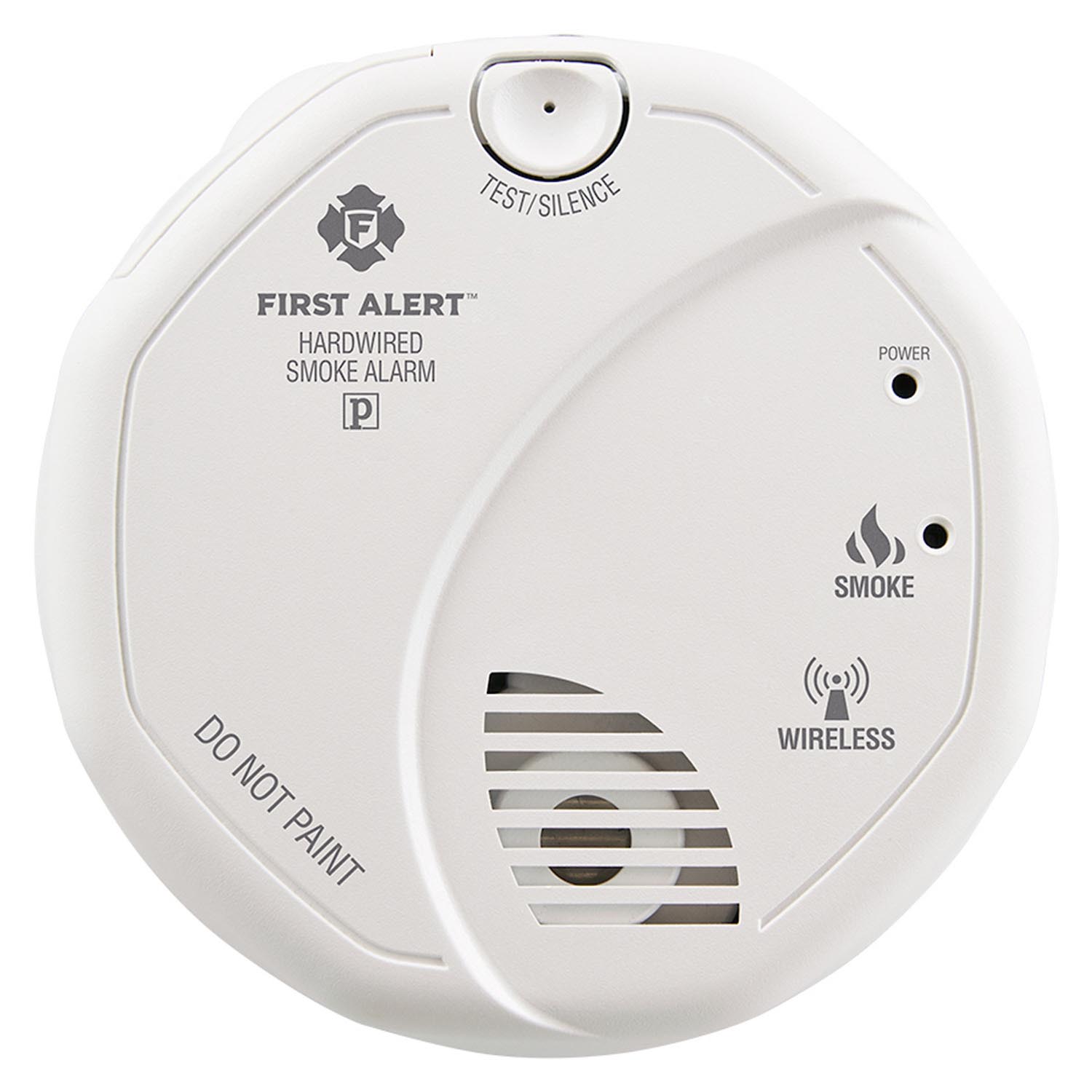
Each hardwired smoke detector has key parts. A smoke sensor detects smoke particles. The alarm sound alerts people to danger. A circuit board controls the signals between devices.
The detectors often include a test button. This button checks if the alarm works. Some models have a built-in battery for backup power during outages.
Power Source And Wiring
Hardwired smoke detectors get power from home electricity. They connect through wires inside walls or ceilings. This wiring keeps the alarm running constantly.
Detectors link together with interconnect wires. When one detects smoke, it sends an electrical signal. This signal triggers all linked alarms to sound at once.
Backup batteries keep the system active during power failures. This dual power source increases safety and reliability.
Communication Methods
Hardwired smoke detectors use specific ways to share information. These methods help alarms work together. This improves home safety. Understanding these communication methods shows how alarms stay connected.
Each smoke detector in a system sends signals to others. This ensures all alarms sound if one detects smoke. The system uses wires and signals to keep devices linked.
Interconnected Wiring Systems
Hardwired smoke detectors connect with wires inside walls. These wires link each alarm to a central system. The wiring carries both power and signals. This keeps alarms powered and able to communicate.
The wiring system uses a special network. Each alarm plugs into this network. When one alarm detects smoke, the wiring sends a signal to others. This makes all alarms ring at once.
Signal Transmission Process
When smoke triggers one alarm, it sends an electrical signal. The signal travels through the wires to all other alarms. Each alarm receives the signal quickly.
All alarms sound together, alerting everyone in the building. This fast signal transmission helps save lives. The process is reliable because of the wired connection. It does not depend on batteries or wireless signals.
Types Of Signals Used
Hardwired smoke detectors use different signals to communicate and work together. These signals help the alarms alert you quickly if there is smoke or fire. Understanding the types of signals used can help you see how these systems keep your home safe.
Electrical Signals
Hardwired smoke detectors mainly use electrical signals to connect. Each detector links to the home’s wiring system. When one alarm senses smoke, it sends a small electrical pulse. This pulse travels through the wires to other detectors. All alarms then sound together. This system ensures every alarm reacts at the same time. It uses low voltage signals, which are safe for home wiring.
Wireless Integration Options
Some hardwired smoke detectors include wireless options. These detectors use radio frequency signals to connect without wires. This helps when adding alarms in places without easy wiring access. Wireless signals send alerts between alarms quickly. They can also link to smart home systems or mobile devices. This way, you get notifications even when away from home. Wireless integration adds flexibility to traditional hardwired systems.
Installation And Connection
Installing hardwired smoke detectors is a key step for home safety. These devices connect to your home’s electrical system. This connection allows them to work together and alert you quickly. Proper installation ensures all units communicate effectively. It also keeps the system reliable and safe.
Wiring Configurations
Hardwired smoke detectors use a special wiring layout. Usually, they connect in a series or loop. This setup links each detector to the next. A single wire carries power and signals between units. This design allows all detectors to sound an alarm at once. It helps alert everyone in the house quickly.
The wiring includes three main wires: power, neutral, and interconnect. Power wires supply electricity from your home. Neutral wires complete the electrical circuit. Interconnect wires allow detectors to communicate with each other. Correct wiring is critical for the system to function well.
Ensuring Proper Connectivity
Check that all wires are firmly connected to the right terminals. Loose connections can cause false alarms or system failure. Use wire nuts or connectors to secure the wires safely. Make sure the power is off during installation for safety.
Test each smoke detector after installation. Press the test button to verify alarms sound across all units. Proper connectivity means a faster response during emergencies. Regular maintenance checks help keep the system in good shape.
Advantages Of Interconnected Detectors
Interconnected smoke detectors offer clear benefits over standalone models. These detectors connect through hardwiring, allowing them to share signals instantly. This connection improves home safety and response times during emergencies.
By working together, these devices make sure every alarm sounds at the right moment. This system provides peace of mind and helps protect lives and property.
Enhanced Safety Measures
Interconnected detectors increase safety by alerting everyone in the home. Smoke or fire detected in one area triggers alarms throughout the building. This early warning helps occupants react faster, even if they are far from the danger.
The connection reduces the chance of missing an alarm. It covers large or multi-story homes more effectively than single detectors. This setup helps save lives by giving everyone a chance to evacuate quickly.
Synchronized Alarm Activation
All detectors activate at the same time during an emergency. This synchronization means no delay between alarms in different rooms. It prevents confusion and ensures everyone hears the alert clearly.
Instant communication helps families respond together and stay calm. This feature is especially helpful at night when people sleep. A synchronized alarm wakes everyone promptly, improving overall safety.
Credit: www.firstalertstore.com
Common Issues And Troubleshooting
Hardwired smoke detectors rely on electrical signals to communicate. Sometimes, these signals face problems. Common issues can stop detectors from working well together. Knowing these problems helps fix them fast. Troubleshooting ensures your safety system stays reliable.
Signal Interference Causes
Signal interference can block communication between smoke detectors. Electrical noise from other devices can cause this. Old wiring or loose connections also create interference. Nearby metal objects might weaken the signal. Even strong radio waves can disrupt the detectors.
Fixing Communication Failures
Check all wires for damage or loose ends. Replace old or frayed wiring promptly. Keep detectors away from large metal objects. Turn off other devices to test for electrical noise. Reset the system by cutting power briefly. Regular maintenance helps prevent future failures.
Upgrading And Maintenance Tips
Upgrading and maintaining hardwired smoke detectors is essential for home safety. These devices work together, sharing signals to alert everyone quickly. Keeping them in top shape ensures they perform well when needed.
Regular care helps prevent false alarms and system failures. It also extends the life of your smoke detectors. Knowing how to test and when to replace units makes a big difference.
Regular Testing Procedures
Test your smoke detectors at least once a month. Press the test button on each unit until you hear a loud alarm. This checks the battery and the connection between devices.
Make sure the alarms sound in all rooms. If one detector does not respond, it may need repair or replacement. Keep a ladder handy for reaching ceiling-mounted units safely.
Replacing And Updating Units
Replace smoke detectors every 10 years or as recommended by the manufacturer. Older units may fail to detect smoke properly. Modern detectors offer better communication and faster alerts.
Upgrade to newer models with improved wiring and features. Always turn off power before replacing a hardwired detector. Follow local safety codes and instructions carefully during installation.
Credit: support.firstalert.com

Credit: www.researchgate.net
Frequently Asked Questions
How Do Hardwired Smoke Detectors Connect To Each Other?
Hardwired smoke detectors connect via interlinking wires within a building’s electrical system. This allows detectors to communicate signals instantly during an alarm.
What Signals Do Hardwired Smoke Detectors Send?
They send electrical signals to trigger alarms simultaneously. When one detects smoke, it alerts all linked detectors to sound together.
Can Hardwired Smoke Detectors Work Without Power?
No, they need continuous power from the building’s electrical system. A backup battery ensures operation during power outages.
How Do Detectors Communicate In A Multi-story Building?
Wires run through walls and ceilings connecting all detectors. This setup ensures alarms activate throughout every floor instantly.
Conclusion
Hardwired smoke detectors work by sending signals through wires. This helps all alarms ring together during a fire. It keeps your home safer by alerting everyone quickly. The system is reliable and does not depend on batteries. Installing and maintaining these detectors is important for safety.
Knowing how they communicate helps you understand their value. Stay safe by using hardwired smoke detectors properly. They protect your family and property every day.


