Is your smoke detector going off too often, even when there’s no real danger? It can be frustrating and stressful to deal with constant false alarms.
But don’t worry—you can make your smoke detector less sensitive without compromising your safety. You’ll discover simple and effective ways to reduce those annoying false alarms, so your smoke detector only alerts you when it really matters. Keep reading to learn how to regain peace of mind in your home.
Causes Of High Sensitivity
Smoke detectors save lives by alerting us to fire dangers early. Sometimes, they become too sensitive and cause frequent false alarms. Understanding what causes high sensitivity helps reduce these unwanted alerts. Several factors can make a smoke detector react too quickly or too often. Knowing these causes is the first step to fixing the problem.
Common Triggers
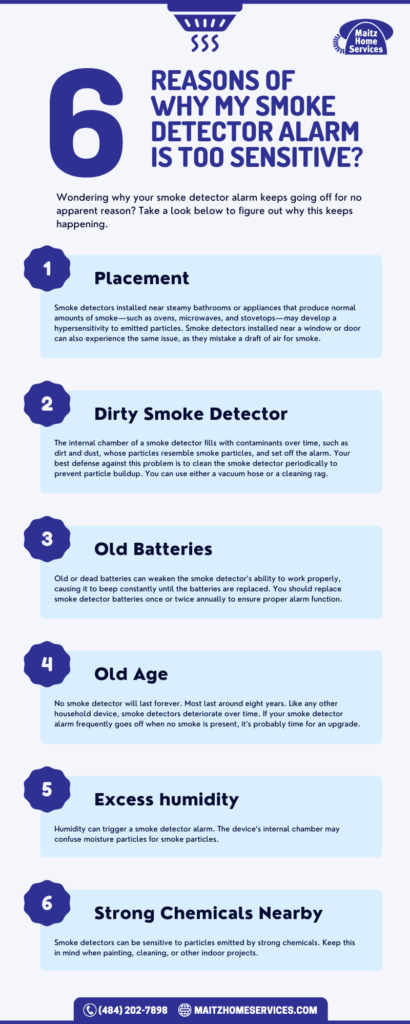
Smoke detectors react to smoke particles in the air. Cooking smoke, steam from showers, or dust can trigger alarms. Burning candles or incense also cause false alarms. Even small amounts of smoke from cigarettes may set off the detector. These common triggers can confuse the alarm and make it too sensitive.
Environmental Factors
Humidity and temperature changes affect smoke detector sensitivity. High humidity creates steam that looks like smoke to the sensor. Dust and insects inside the detector can block sensors and cause false alerts. Smoke detectors near air vents or fans may pick up dust or air particles. These environmental factors increase false alarms and sensitivity.
Detector Placement Issues
Where you place the detector matters a lot. Installing detectors near kitchens, bathrooms, or heating devices causes frequent false alarms. Placing detectors too close to windows or vents can make airflow trigger them. Detectors mounted on ceilings near dusty or humid areas react more often. Proper placement reduces sensitivity and improves detector performance.
Credit: brinkshome.com
Safety Considerations
Adjusting the sensitivity of a smoke detector can reduce false alarms. Still, safety should be your top priority. Smoke detectors save lives by warning about fires early. Changing settings can affect how well they work.
Understanding safety concerns helps you make wise choices. It prevents accidents and keeps your home protected. Be careful when adjusting or lowering sensitivity. Stay aware of the risks involved.
Risks Of Reducing Sensitivity
Lower sensitivity might delay fire detection. Smoke detectors may miss early signs of smoke. This increases the risk of serious fire damage. False alarms can be annoying but protect you. Less sensitivity means less warning time. It can put you and your family in danger.
When To Consult Professionals
Changing smoke detector settings is not always simple. Experts know how to adjust devices safely. They can check if your detector works well. Call a professional if you are unsure. They help balance sensitivity and safety. Trust experts to keep your home secure.
Basic Cleaning Techniques
Basic cleaning techniques help reduce smoke detector sensitivity. Dirt and dust build-up can cause false alarms. Keeping the detector clean improves its performance. Simple steps can make a big difference.
Removing Dust And Debris
Turn off the power to the smoke detector first. Use a soft brush or cloth to wipe its surface gently. Avoid pressing hard on the sensor area. Clean around the vents where dust collects. This removes particles that trigger false alarms.
Using Compressed Air
Compressed air can reach tight spaces inside the detector. Hold the can upright and spray short bursts. Keep the nozzle a few inches away from the device. This blows out dust trapped inside without damage. Do not use a vacuum, as it may harm the sensor.
Cleaning Frequency Tips
Clean smoke detectors every three to six months. More often if your home is dusty or smoky. Regular cleaning keeps the sensor clear and reliable. Check the detector during battery replacement times. Consistent care lowers false alarm chances significantly.

Credit: brinkshome.com
Adjusting Detector Settings
Adjusting the settings of your smoke detector can reduce false alarms. This process helps make the detector less sensitive to everyday smoke or steam. It keeps your home safe while avoiding unnecessary alerts.
Accessing Sensitivity Controls
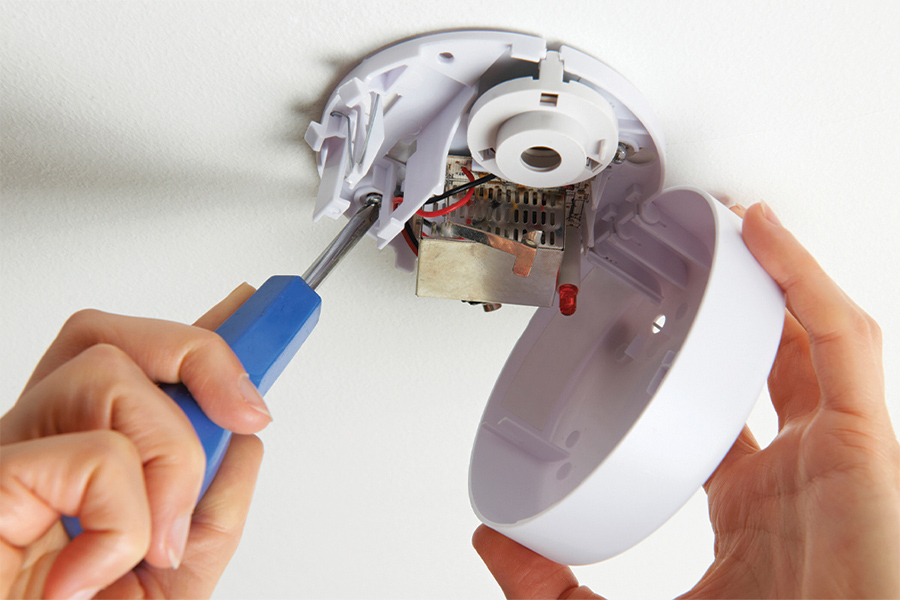
Most smoke detectors have a sensitivity control inside the unit. You need to open the cover or remove the detector from its mounting. Look for small switches or a dial labeled for sensitivity adjustment.
Use a small screwdriver or your fingers to change the setting. Lowering the sensitivity can stop false alarms caused by cooking smoke or dust. Be careful not to reduce sensitivity too much. The detector must still respond to real smoke.
Manufacturer-specific Instructions
Different brands have unique ways to adjust sensitivity. Check your smoke detector’s manual for exact steps. Some models use digital settings accessed through a button or app. Others need physical adjustments inside the unit.
Follow the instructions carefully to avoid damaging the detector. If you cannot find the manual, visit the manufacturer’s website. Enter your model number to download a guide or watch tutorial videos.
Relocating The Detector
Relocating a smoke detector can help reduce its sensitivity and prevent false alarms. Placing the detector in the right spot is key to balancing safety and convenience. Moving it away from common sources of smoke or steam can make a big difference.
Ideal Locations
Install smoke detectors on the ceiling or high on the wall. Avoid corners or areas near air vents. Place detectors at least 10 feet away from cooking appliances. Hallways and stairways often work well. Choose spots where smoke can reach the detector quickly but where false alarms are less likely.
Avoiding False Alarms
Keep detectors away from kitchens and bathrooms. Steam and cooking fumes trigger alarms often. Avoid placing detectors near windows or doors that open to the outside. Drafts can carry dust or insects inside. These small particles can cause the alarm to go off. Moving the detector to a more stable environment helps reduce false alerts.
Upgrading Or Replacing Detectors
Upgrading or replacing your smoke detectors can help reduce false alarms caused by high sensitivity. Newer models offer better control over how sensitive the detector is to smoke and steam. Changing your detector can make your home safer and quieter at the same time.
Choosing Less Sensitive Models
Some smoke detectors are designed to be less sensitive to small particles. These models detect only larger smoke amounts from real fires. Less sensitive detectors can avoid frequent false alarms from cooking or shower steam. Choose a detector labeled for low sensitivity to reduce nuisance alarms. Always check safety certifications to ensure reliable performance.
Smart Detectors With Adjustable Sensitivity
Smart smoke detectors allow you to adjust sensitivity settings manually. These devices connect to an app on your phone for easy control. Lower the sensitivity during cooking or other activities that produce smoke. You can raise sensitivity again at night or when away from home. Smart detectors offer flexibility and help prevent constant false alerts.
Credit: www.maitzhomeservices.com
Frequently Asked Questions
How Can I Reduce Smoke Detector Sensitivity Safely?
You can reduce sensitivity by cleaning the detector regularly. Avoid using harsh chemicals or paint on it. Adjust the sensitivity settings if your model allows. Always follow manufacturer instructions to ensure safety and maintain proper function.
Why Is My Smoke Detector Too Sensitive?
Smoke detectors may become overly sensitive due to dust buildup or environmental factors like steam and cooking fumes. Regular cleaning and proper placement away from kitchens or bathrooms can help reduce false alarms and improve detector accuracy.
Can I Adjust Smoke Detector Sensitivity Myself?
Some smoke detectors have adjustable sensitivity settings, but many do not. Check your user manual for instructions. If unsure, consult a professional to avoid compromising your safety or violating local fire codes.
What Causes False Alarms In Smoke Detectors?
False alarms often result from dust, insects, humidity, or cooking smoke near the detector. Poor placement or low battery power can also cause false triggers. Regular maintenance and proper installation reduce these issues.
Conclusion
Reducing smoke detector sensitivity helps avoid false alarms. Adjust the settings carefully and test often. Keep safety as your top priority at all times. Regular cleaning also improves detector performance. Stay aware of smoke detector guidelines for your home. Small changes make your living space safer and more comfortable.
Always follow manufacturer instructions to prevent any risks. Simple steps can reduce unwanted noise without losing protection. Your home deserves both safety and peace of mind.