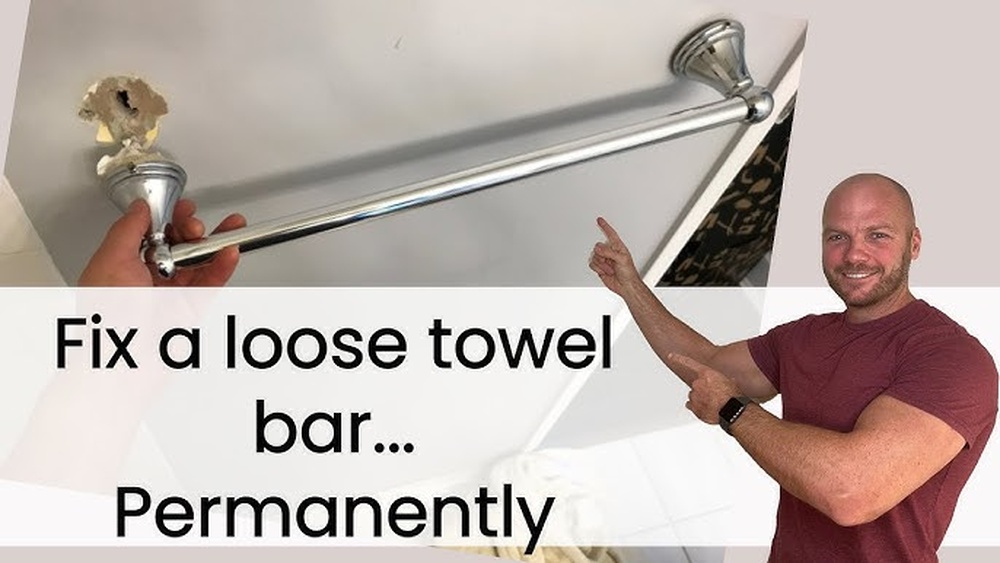

Is your towel rack wobbling every time you grab a towel? A loose towel rack isn’t just annoying—it can also cause damage to your wall or even fall off completely.
But don’t worry, fixing it is easier than you think. You’ll discover simple and effective steps to tighten your towel rack quickly, using tools you probably already have at home. Keep reading, and you’ll have your bathroom back in order in no time.

Credit: www.youtube.com
Identify The Cause
Before fixing a loose towel rack, find out why it is loose. Identifying the cause helps you choose the right fix. Sometimes the problem is simple. Other times it needs more work. Take time to check parts carefully. This saves time and effort later.
Check Wall Anchors
Wall anchors hold the towel rack to the wall. They may be loose or broken. Pull gently on the rack. If it feels weak, anchors might be the problem. Look for plastic or metal anchors inside the holes. Replace anchors if they look damaged or worn out.
Inspect Mounting Screws
Screws keep the rack parts together and fixed to the wall. Loose or missing screws cause wobbling. Use a screwdriver to tighten all screws. If screws spin without tightening, they may be stripped. Replace stripped screws with new ones of the same size.
Assess Wall Condition
The wall itself can cause a loose rack. Drywall or plaster may be cracked or soft. Check around the holes for damage. If the wall crumbles or feels weak, the rack cannot hold well. Fix the wall or move the rack to a stronger spot. Solid walls give better support.

Credit: diy.stackexchange.com
Gather Necessary Tools
Before fixing a loose towel rack, gather the right tools. Having everything ready makes the job easier and faster. You will avoid interruptions and work safely. Basic tools cover most repairs, but some optional supplies help with tricky problems.
Basic Tools Needed
- Screwdriver – flathead or Phillips, based on screws
- Drill – for making new holes if needed
- Level – to keep the rack straight
- Measuring tape – to measure screw positions
- Wall anchors – if screws need extra hold
Optional Repair Supplies
- Wood filler – to fix damaged wall spots
- Putty knife – for applying filler smoothly
- Replacement screws – in case old ones are worn
- Stud finder – to locate wall studs for stronger support
- Masking tape – to mark positions without damage
Remove The Towel Rack
Removing a loose towel rack is the first step to fixing it properly. Handle it with care to avoid damage. Take your time. This part is simple but important. Follow these steps to remove the rack safely and keep your wall intact.
Unscrew Carefully
Locate the screws holding the towel rack. Use the right screwdriver to avoid stripping them. Turn the screws slowly and steadily. Keep the screws in a safe place. This way, you can reuse them later. Avoid forcing the screws out quickly. Gentle unscrewing prevents damage to the rack and wall.
Protect Wall Surface
Before removing the rack fully, place a soft cloth or painter’s tape under it. This protects the wall from scratches. If the rack is stuck, gently wiggle it while pulling. Check the wall for any loose paint or drywall. Fix small damages after removing the rack. This keeps your wall clean and ready for repair or reinstallation.

Credit: www.wallshark.com
Repair Or Replace Anchors
Loose towel racks often mean the anchors are not holding well. Fixing or changing these anchors can make your rack strong again. This step is key to keep your towel rack steady and safe. Proper anchors hold the rack tightly to the wall, stopping it from wobbling or falling.
Choose Suitable Anchors
Select anchors that match your wall type and rack weight. Drywall needs different anchors than tile or plaster walls. Plastic anchors work for light loads, but metal anchors hold more weight. Use anchors designed for bathroom humidity to avoid rust. Check the package for weight limits and wall compatibility.
Install Anchors Properly
Drill holes that fit your anchors exactly. Too big or too small holes weaken the hold. Clean dust from holes before placing anchors. Push anchors in gently but firmly. Tighten screws evenly to avoid cracking the wall. Test the rack by pulling it lightly to ensure a solid fit.
Secure The Mounting Brackets
Securing the mounting brackets is key to fixing a loose towel rack. These brackets hold the rack firmly to the wall. When they are loose, the towel rack wobbles or falls off. Tightening and aligning them properly ensures stability and safety.
Start by checking the brackets’ position and condition. Loose screws or misaligned brackets cause most problems. Fix these issues to keep your towel rack strong and steady.
Align Brackets Correctly
Place the brackets evenly on the wall. Make sure they are level and straight. Use a spirit level or a measuring tape for accuracy. Misaligned brackets make the rack unstable. Adjust the brackets until they line up perfectly. This step helps the towel rack sit flush against the wall.
Tighten Screws Firmly
Use the right screwdriver to tighten each screw securely. Avoid over-tightening to prevent stripping the screw holes. If screws spin without tightening, replace them or use wall anchors. Firm screws keep the brackets from moving. Check each screw one by one for a solid hold.
Reattach The Towel Rack
Reattaching a loose towel rack is a simple task that can restore order to your bathroom. This step ensures the rack stays firm and holds your towels securely. Follow clear steps to place the rack correctly and check its stability for safe use.
Position Rack On Brackets
Start by aligning the towel rack with the wall brackets. Hold it firmly in place. Make sure the rack fits snugly onto each bracket. Press gently but firmly until it clicks or feels secure. Check that both ends rest evenly on the brackets. Avoid forcing the rack to prevent damage.
Check For Stability
After positioning, test the rack by applying light pressure. Move it slightly to see if it wobbles. A steady rack means a job well done. If it feels loose, remove and reposition carefully. Tighten any screws if your rack uses them. Confirm the rack holds weight without shifting.
Prevent Future Looseness
Preventing future looseness in your towel rack is important for safety and convenience. A loose towel rack can cause damage to your wall and may fall unexpectedly. Taking simple steps can keep your towel rack steady and secure for a long time. Regular checks and proper use help maintain its strength.
Regular Maintenance Tips
Check your towel rack every few months. Tighten screws if they feel loose. Use a screwdriver to make sure all parts are secure. Look for any signs of damage or wear. Replace broken parts quickly to avoid bigger problems. Clean the rack to prevent rust and dirt buildup. Keep the wall area dry to stop moisture damage.
Weight Limit Recommendations
Do not hang heavy items on the towel rack. Towels and light bathrobes are fine. Avoid placing wet heavy towels that can strain the rack. Most towel racks hold about 5 to 10 pounds safely. Read product instructions for specific weight limits. Using the rack within its limit keeps it stable. Less weight means less chance of loosening screws or brackets.
Frequently Asked Questions
How Do I Tighten A Loose Towel Rack?
To tighten a loose towel rack, first remove it from the wall. Then, check for loose screws or anchors. Replace or tighten screws with a screwdriver. Use wall anchors if needed for better support. Finally, reattach the rack securely to the wall.
What Tools Fix A Loose Towel Rack?
You will need a screwdriver, wall anchors, and a drill. A level helps ensure the rack is straight. Use a measuring tape for accuracy. These tools help securely fasten the towel rack to the wall, preventing it from becoming loose again.
Why Does My Towel Rack Keep Loosening?
Towel racks loosen due to weak anchors or improper installation. Heavy towels or frequent use can also cause it. Using the correct wall anchors and tightening screws regularly prevents loosening. Ensuring proper installation on sturdy wall studs increases durability and stability.
Can I Fix A Towel Rack Without Drilling?
Yes, use adhesive strips or strong double-sided tape for lightweight racks. These options avoid drilling and damage to walls. However, they may not support heavy towels well. For heavier racks, drilling and anchors provide better long-term stability.
Conclusion
Fixing a loose towel rack is easier than it seems. Grab a few tools and follow simple steps. Tighten screws or use anchors for better hold. Check the rack regularly to avoid future problems. A secure towel rack keeps your bathroom neat and safe.
Small repairs save money and prevent bigger issues later. Keep your bathroom organized and enjoy the comfort of a stable towel rack every day. Give it a try—you’ll feel proud of your handy work.