
Your smoke detector is one of the most important devices in your home. It keeps you and your loved ones safe by alerting you to danger.
But what happens when it starts beeping or stops working? Knowing how to change your smoke detector quickly and correctly can make all the difference. In this guide, you’ll learn simple steps to replace your smoke detector without any hassle.
Keep reading to make sure your home stays protected and your peace of mind stays intact.
Credit: www.homedepot.com
When To Replace Your Smoke Detector
Knowing when to replace your smoke detector is key to keeping your home safe. Smoke detectors do not last forever. Over time, their sensors lose sensitivity. This can put your home at risk.
Replacing your smoke detector on time ensures it works properly. It helps protect your family from fire hazards. Watch for signs that show your detector needs replacement. Follow the recommended timeline for the best safety.
Signs Of A Faulty Detector
A smoke detector may beep or chirp without reason. This often means the battery is low or the detector is failing. If the detector does not sound during a test, it is faulty. Dust or dirt buildup can also cause false alarms. Physical damage like cracks or discoloration are warning signs. A detector that is over 10 years old might not work well anymore.
Recommended Replacement Timeline
Smoke detectors should be replaced every 10 years. This is the typical lifespan of the sensor inside. Replace the detector sooner if it shows any signs of failure. Change batteries at least once a year. Some newer models have sealed batteries that last 10 years. Follow the manufacturer’s instructions for your specific smoke detector.
Credit: www.swflelectric.com
Choosing The Right Smoke Detector
Choosing the right smoke detector is important for home safety. A good detector warns you early about fires. This helps protect your family and property. Not all smoke detectors are the same. Each type has different features. Picking the right one can make a big difference.
Types Of Smoke Detectors
There are two main types of smoke detectors: ionization and photoelectric. Ionization detectors react faster to flaming fires. Photoelectric detectors sense smoldering fires better. Some models combine both types for more protection. Battery-powered detectors are easy to install anywhere. Hardwired detectors connect to your home’s power supply. Some hardwired models have battery backup for power loss.
Features To Consider
Look for smoke detectors with loud alarms. Loud sounds alert everyone in the house. Some have voice alerts to say “Fire!” This helps children and elderly people understand. Consider detectors with a test button. It makes checking the alarm easy. Some models include a silence or hush button. It stops false alarms without removing the battery. Long battery life is another good feature. Some smoke detectors last up to 10 years without battery changes.
Tools You’ll Need
Changing a smoke detector is simple with the right tools. Having everything ready saves time and effort. This section lists the basic tools needed for the job. Each tool plays an important role in making the process safe and smooth.
Phillips Head Screwdriver
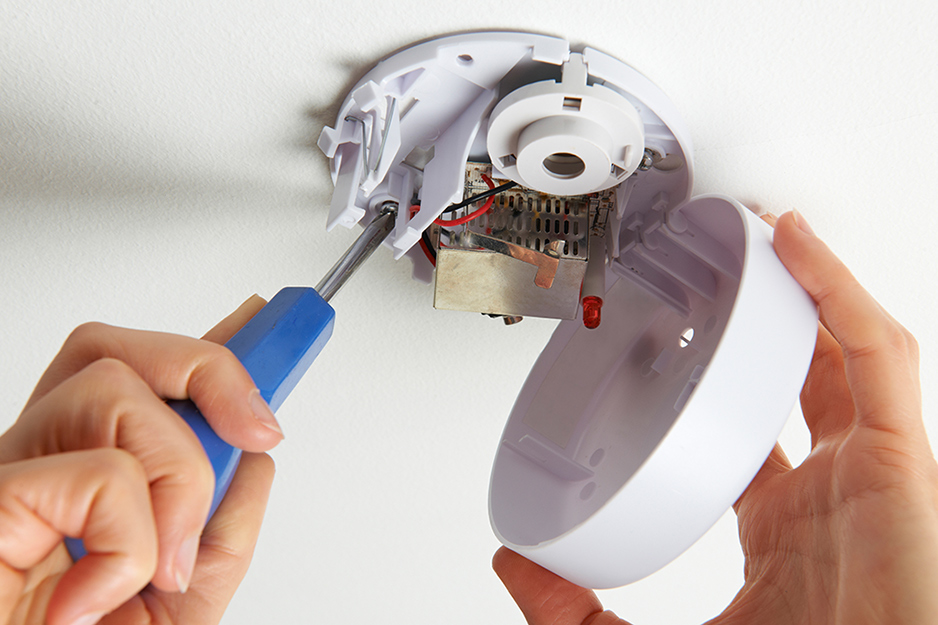
A Phillips head screwdriver is essential. It helps remove screws holding the detector in place. Most smoke detectors use this type of screw. Choose a screwdriver that fits the screws well to avoid damage.
Ladder Or Step Stool
A ladder or step stool provides safe access to the smoke detector. Choose one that is stable and tall enough. This tool helps reach detectors on ceilings or high walls safely.
Replacement Batteries
Smoke detectors often need new batteries during replacement. Use the type recommended by the manufacturer. Fresh batteries ensure the detector works properly after installation.
Soft Cloth Or Brush
A soft cloth or brush helps clean the detector’s surface. Dust and dirt can affect its function. Gently wipe the detector before installing the new one for better performance.

Credit: www.youtube.com
Step-by-step Replacement Guide
Replacing a smoke detector is a simple task that anyone can do. Follow this step-by-step guide to change your smoke detector safely and quickly. Each step explains what you need to do clearly. Stay safe and keep your home protected.
Turning Off Power
First, switch off the power to the smoke detector. Find the circuit breaker that controls the detector’s power. Turn it off to avoid electric shock. Use a voltage tester to check if power is off. Safety first.
Removing The Old Detector
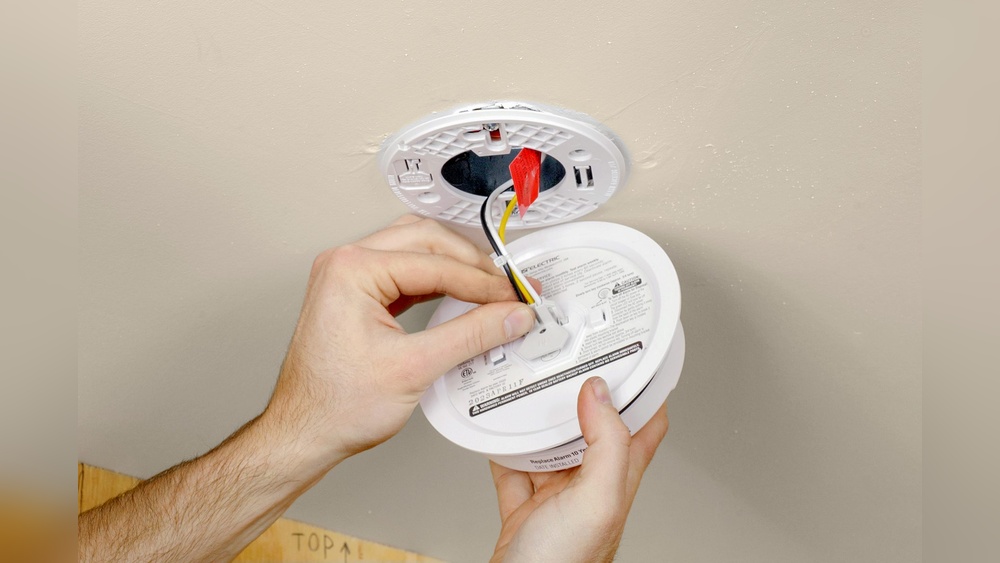
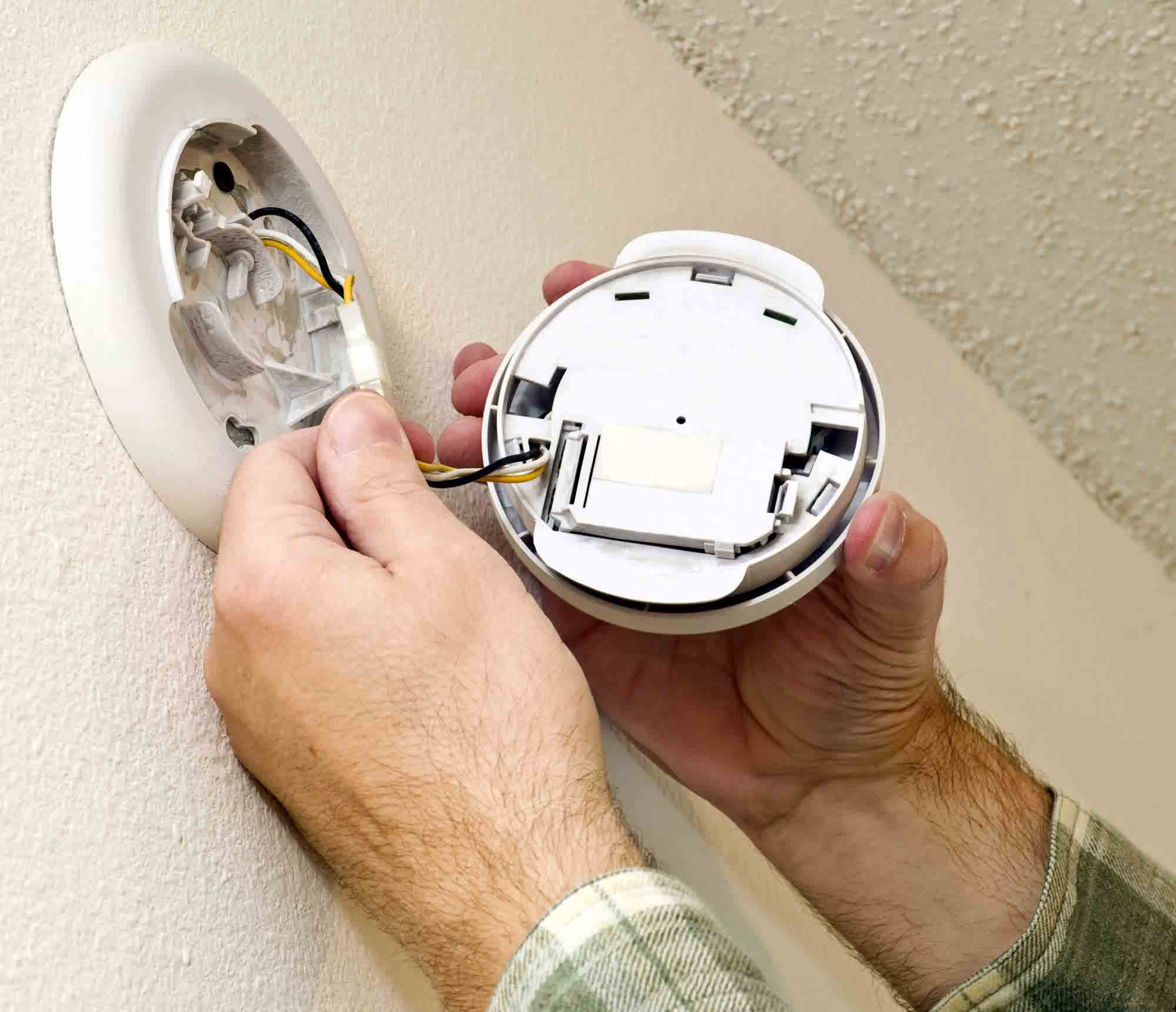
Next, remove the old smoke detector from the ceiling or wall. Twist or slide it gently from its mounting base. Disconnect the wires by pulling the connector apart. Handle the detector carefully to avoid damage.
Installing The New Detector
Now, connect the new smoke detector to the wires. Match the wire colors correctly before connecting. Attach the new unit to the mounting base firmly. Make sure it fits tightly and does not wobble.
Testing The New Unit
Finally, turn the power back on at the circuit breaker. Press the test button on the new detector. Listen for the loud alarm sound. This means the unit works properly. Test regularly to keep your home safe.
Maintaining Your Smoke Detector
Maintaining your smoke detector is essential for home safety. It ensures the device works correctly and alerts you in time. Regular care keeps the detector ready to protect your family.
Simple steps can extend your smoke detector’s life and reliability. Stay consistent with testing, battery changes, and cleaning.
Regular Testing
Test your smoke detector once a month. Press the test button until the alarm sounds. This confirms the device is functioning properly. If there is no sound, replace the batteries or the unit.
Battery Replacement Tips
Change batteries at least once a year. Use fresh, high-quality batteries for best results. Remove old batteries carefully to avoid damage. Some models have a low battery warning beep—don’t ignore it.
Cleaning And Care
Dust and dirt can block smoke sensors. Clean your detector every six months with a soft brush or vacuum. Avoid using water or cleaning sprays. Keep detectors away from vents and kitchens to reduce false alarms.
Common Mistakes To Avoid
Changing a smoke detector seems simple, but many make mistakes. These errors can cause safety risks or damage the device. Avoiding these common mistakes ensures your smoke detector works properly and keeps you safe.
Not Turning Off Power
Always cut power before changing a smoke detector. Forgetting this can cause electric shock or damage. Safety first. Use the breaker to switch off power to the unit.
Using The Wrong Battery
Use the battery type recommended by the manufacturer. The wrong battery may not fit or last long. Check the smoke detector’s manual for the correct battery size.
Failing To Test The Detector
Test the smoke detector after installing a new battery. Press the test button to check the alarm sound. Skipping this step can leave you unsafe.
Ignoring Expiry Dates
Smoke detectors have an expiration date. Old units may not work correctly. Replace detectors every 10 years or as the manufacturer advises.
Not Cleaning The Smoke Detector
Dust and debris can block sensors. Clean the detector gently before installation. Use a soft brush or vacuum to remove dirt.
Frequently Asked Questions
How Often Should I Change A Smoke Detector?
Smoke detectors should be replaced every 10 years. Over time, sensors degrade and may fail. Regular replacement ensures reliable fire detection and home safety.
What Tools Do I Need To Change A Smoke Detector?
You typically need a screwdriver and a new smoke detector. Some models may require a ladder for access. Always turn off the power before starting.
How Do I Safely Remove An Old Smoke Detector?
Turn off the power supply. Twist or unscrew the detector from its base. Disconnect the battery and wiring carefully to avoid damage.
Can I Install A Smoke Detector Myself?
Yes, most smoke detectors are DIY-friendly. Follow manufacturer instructions carefully. Ensure proper placement and secure mounting for effective operation.
Conclusion
Changing a smoke detector is simple and important for safety. Test your new detector to ensure it works well. Replace batteries regularly to keep it active. Clean the unit to avoid false alarms. Stay safe by checking detectors in every room.
Small steps protect your home and loved ones. Don’t wait—keep your smoke detectors up to date. Safety starts with you.