
Imagine never fumbling for your keys again or worrying if you locked the door behind you. Smart door locks offer this convenience and so much more.
But how exactly do these modern locks work to keep your home safe while making your life easier? If you’re curious about what makes a smart lock smart, this article will break it down for you. By the end, you’ll understand how these devices protect your home and why they might be the perfect upgrade for your security.
Ready to unlock the secrets? Let’s dive in.
Types Of Smart Door Locks
Smart door locks come in different types. Each type offers unique features. Understanding these types helps you choose the best lock for your home. These locks improve security and add convenience.
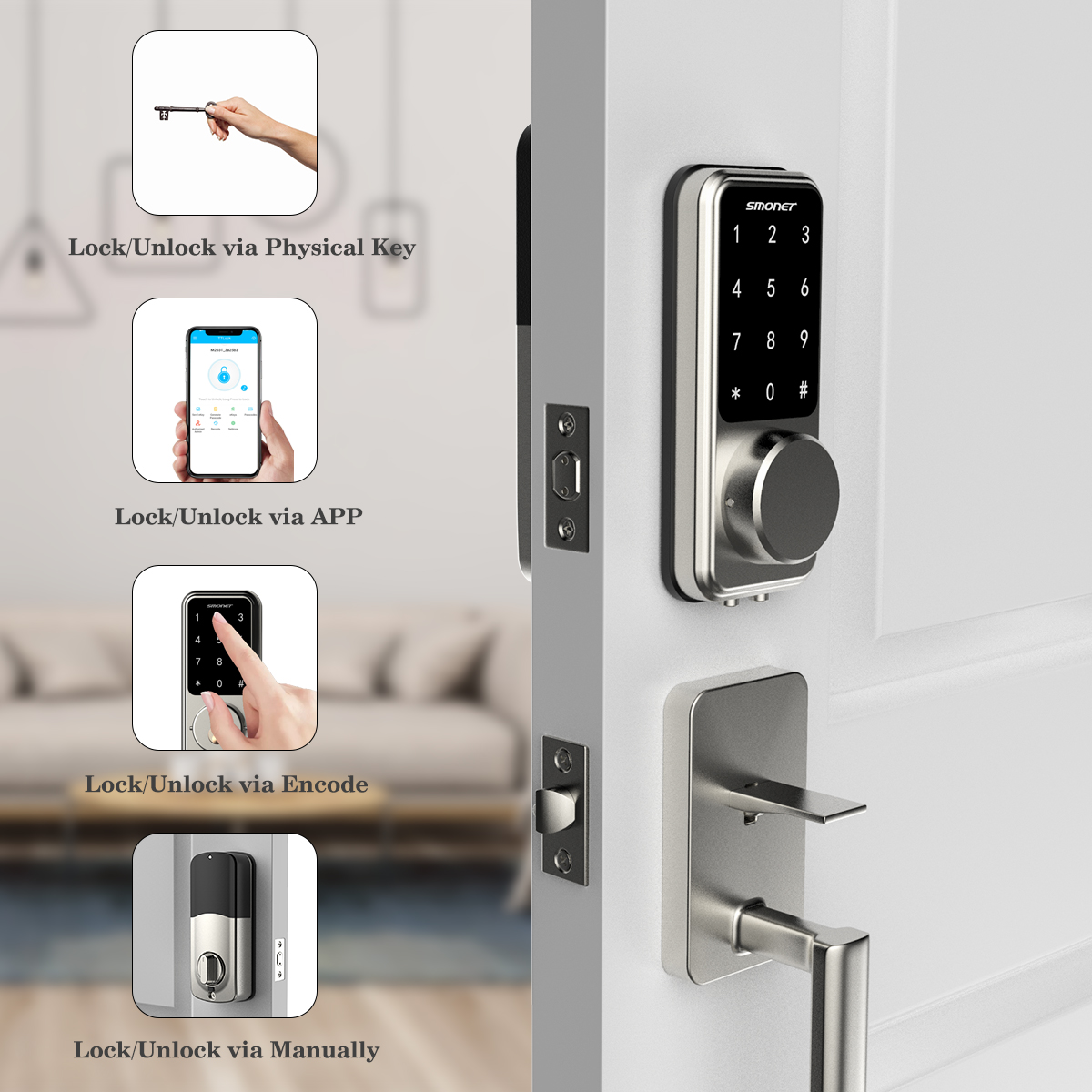
Some locks use codes, while others use your fingerprint. Some connect to your phone or internet. Here are the main types of smart door locks.
Keypad Locks
Keypad locks use a numeric code to open the door. You press numbers on a small keypad. This type does not need a key. It is easy to use and install. You can change codes anytime for extra safety.
Biometric Locks
Biometric locks read your fingerprint or face. They offer a high level of security. Only registered users can open the door. These locks work fast and do not need a key or code. They are ideal for homes and offices.
Bluetooth And Wi-fi Locks
These locks connect to your smartphone. Bluetooth locks work when you are close to the door. Wi-Fi locks allow control from anywhere. You can lock or unlock your door remotely. They often include apps for easy management.
Remote Access Locks
Remote access locks let you control the door from a distance. They use the internet or special remotes. You can let guests in without being home. These locks are useful for rentals or deliveries. They increase flexibility and security.
Credit: store.smonet.com
Core Components
The core components of a smart door lock work together to keep your home safe and easy to access. Each part has a special job. They help the lock respond quickly and securely to your commands.
Understanding these parts shows how smart locks function. It also helps you choose the right lock for your needs. Here are the main components that make smart door locks work.
Locking Mechanism
The locking mechanism is the part that actually locks and unlocks the door. It can be a motor or an electronic bolt. This part moves when it receives a signal. It controls the physical security of your door.
Power Source
Smart locks need power to work. Most use batteries, often AA or lithium types. Some connect to your home’s electricity. The power source keeps the lock running and ready to respond.
Communication Modules
These modules let the lock talk to your phone or other devices. Common types include Bluetooth, Wi-Fi, and Zigbee. They send and receive signals to control the lock remotely.
User Interface
The user interface lets you interact with the lock. It can be a keypad, fingerprint scanner, or an app on your phone. This part allows easy and secure access to your home.
Authentication Methods
Smart door locks use different methods to check who is allowed to enter. These methods keep your home safe and make it easy to use the lock. Each way has its own benefits and works well in different situations. Let’s explore the common ways smart locks check your identity.
Pin Codes
PIN codes are a simple way to open smart locks. You type a secret number on a keypad. The lock opens only if the code is correct. You can change the code anytime for security. Many people like PIN codes because they do not need keys.
Fingerprint Scanning
Fingerprint scanning uses your unique finger patterns to open the door. The lock reads your fingerprint and matches it with stored data. This method is fast and very secure. Only registered fingerprints can open the lock. It is hard to copy or fake fingerprints.
Mobile App Verification
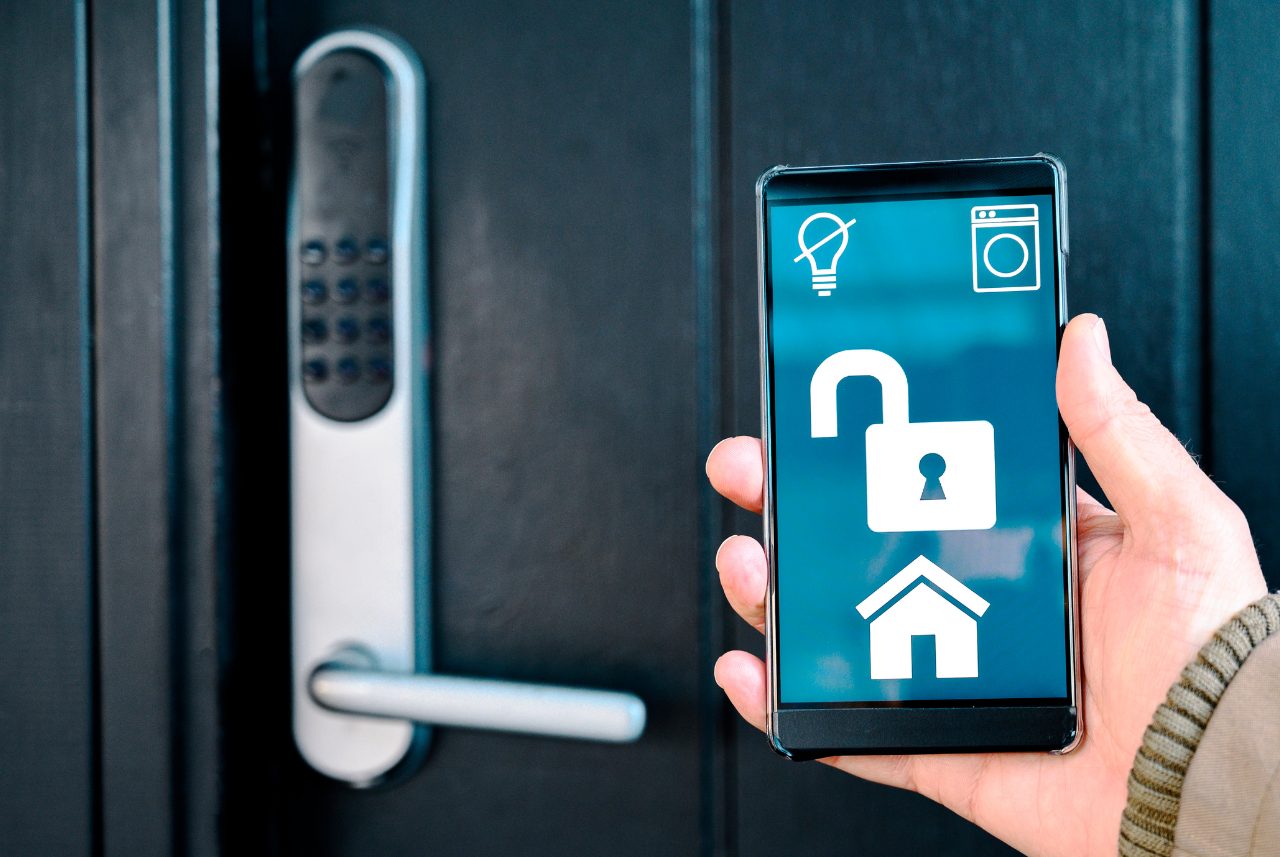
Mobile apps connect your phone to the smart lock. The app sends a signal to the lock to open it. Some apps use Bluetooth or Wi-Fi for this. You can also receive alerts and control the lock remotely. This method is very convenient and modern.
Voice Recognition
Voice recognition listens to your voice commands. The lock checks if your voice matches the saved voiceprint. This method lets you open the door hands-free. It works well in many conditions but needs clear speech. Voice recognition adds a futuristic touch to home security.
Credit: www.vesternet.com
Connectivity And Integration
Smart door locks connect with other devices to work better. They use different ways to link up and share data. This connection helps users control locks easily. Integration with other systems adds extra convenience and security. Let’s explore how these locks connect and fit into smart home setups.
Smart Home Systems
Smart door locks often join home automation systems. These systems manage lights, cameras, and alarms together. Locks respond to commands from central apps or voice assistants. This allows control from phones or smart speakers. Users can check lock status and lock doors remotely.
Cloud Services
Many smart locks rely on cloud servers to store data. Cloud services handle user credentials and access logs safely. They enable real-time notifications when someone uses the lock. Cloud connection helps update lock software with new features. This keeps the lock secure against new threats.
Third-party Device Compatibility
Smart locks often work with devices from other brands. This includes security cameras, doorbells, and sensors. Compatibility allows these devices to share information. For example, a camera can record when the door unlocks. Such teamwork improves home safety and user experience.
Installation And Setup
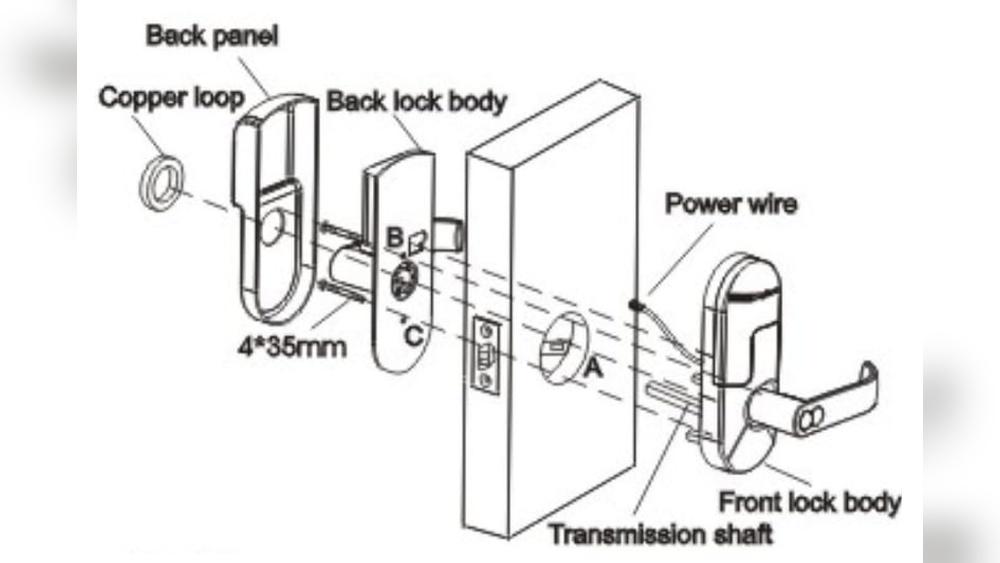
Installing and setting up a smart door lock is a simple process. It lets you control your door easily and safely. This section explains how to replace your old lock, configure the new one, and fix common issues.
Replacing Existing Locks
Start by removing the old lock. Use a screwdriver to take off the screws. Take out the old lock parts carefully.
Match the new smart lock with your door’s size. Follow the instructions in the smart lock box. Put the new lock in place and tighten the screws well.
Configuration Steps
Turn on the smart lock using the power button or batteries. Download the lock’s app on your phone. Open the app and create an account.
Follow the app instructions to connect the lock to your Wi-Fi or Bluetooth. Set your password or PIN code. Test the lock to check it works correctly.
Troubleshooting Tips
If the lock does not respond, check the batteries. Replace weak batteries with new ones. Make sure your phone is close to the lock during setup.
Restart the app or your phone if connection fails. Reset the lock following the manual if needed. Contact support for help if problems continue.
Security Benefits
Smart door locks offer strong security benefits for any home or office. They use technology to control who enters your property. This control helps protect your space from unwanted visitors. These locks give more than just keyless entry. They add layers of security that traditional locks cannot provide.
Enhanced Access Control
Smart locks allow you to decide who can enter your home. You can grant or deny access easily through an app. No need to hide spare keys outside. You can also restrict entry during certain times. This control reduces the risk of unauthorized access.
Activity Monitoring
These locks record every time someone enters or leaves. You can check the history on your phone. This feature helps track who comes and goes. It adds peace of mind by keeping you informed. You will know if someone tries to enter without permission.
Temporary Access Codes
You can create temporary codes for guests or workers. These codes work only for a set time or number of uses. After that, they stop working automatically. This prevents old codes from being misused. It is perfect for visitors who need short-term access.
Alert Notifications
Smart locks send instant alerts to your phone. You get notified if someone tries to tamper with the lock. Alerts also come when the door is left open. These notifications let you act quickly to protect your home. They help you stay aware even when away.
Potential Risks And Precautions
Smart door locks offer convenience and security but carry some risks. Understanding these risks helps you protect your home effectively. Taking simple precautions keeps your smart lock safe and reliable.
Hacking Vulnerabilities
Smart locks connect to the internet or Bluetooth. Hackers may try to access your lock remotely. Weak passwords or outdated software increase this risk. Always use strong passwords and update the lock’s firmware regularly. Avoid using default settings or easy codes.
Power Failures
Most smart locks run on batteries. Power outages or dead batteries can stop them from working. Always check battery levels and replace batteries on time. Some locks have low battery alerts to warn you early. Keep spare batteries handy for emergencies.
Physical Tampering
Smart locks can face physical attacks like picking or smashing. Quality locks have strong metal bodies and anti-tamper features. Install your lock in a secure place. Use additional security measures like cameras or alarms for extra protection.
Backup Access Options
Smart locks often include backup methods to avoid lockouts. These can be physical keys or backup codes. Store backup keys safely but accessibly. Write down backup codes and keep them in a secure place. Test these options regularly to ensure they work.
Future Trends
Smart door locks are evolving fast. New technology will make them smarter and safer. These changes will make daily life easier and homes more secure. Let’s explore the future trends shaping smart door locks.
Ai Integration
Artificial intelligence will help smart locks learn user habits. Locks will recognize who is at the door and act accordingly. AI can spot unusual activity and alert owners quickly. This adds an extra layer of safety and convenience.
Biometric Advances
Biometric technology will become more common in smart locks. Fingerprint and facial recognition will improve in speed and accuracy. This means faster access without needing keys or codes. Biometric locks reduce the chance of unauthorized entry.
Improved Connectivity
Smart locks will connect better with other devices in the home. Faster and more reliable connections will allow seamless control. Owners can manage locks through apps or voice assistants easily. This helps integrate security with smart home systems.
Sustainability Features
Future smart locks will focus on energy efficiency and eco-friendly materials. Solar-powered locks and longer battery life will reduce waste. Sustainable designs will support green living without losing performance. This makes smart locks better for the planet.
Credit: www.gokeyless.com
Frequently Asked Questions
How Does A Smart Door Lock Work?
A smart door lock connects to your phone or smart home system. It uses Bluetooth, Wi-Fi, or keypad codes to unlock. This allows keyless entry, remote access, and enhanced security features.
What Are The Main Types Of Smart Locks?
Smart locks include keypad, Bluetooth, Wi-Fi, and fingerprint models. Each type offers different access methods and security levels. Choose based on your convenience and home setup.
Can Smart Door Locks Be Hacked Easily?
Smart locks use encryption and security protocols to protect access. However, weak passwords or outdated software can increase hacking risks. Regular updates and strong passwords reduce these vulnerabilities.
Do Smart Locks Work During Power Outages?
Most smart locks have battery backup systems to function during outages. Some models also allow manual key entry as a backup option. This ensures continuous access and security.
Conclusion
Smart door locks offer a simple way to keep homes safe. They use codes, apps, or keys to control access. You can lock or unlock your door from anywhere. These locks also record who enters and when. Many models work with your smartphone for easy use.
Installing one adds extra security and convenience. They help protect your home without hassle. Smart locks are a smart choice for modern living. Consider your needs and pick the right model. Safety and ease go hand in hand with smart locks.