
Is your smoke detector’s constant chirping keeping you awake at night? That annoying beep can be more than just a minor nuisance—it can disrupt your sleep and leave you feeling frustrated.
You want to feel safe without the noise stealing your peace. Luckily, there are simple steps you can take right now to stop that irritating sound. Keep reading, and you’ll learn exactly how to silence your smoke detector for good, so you can finally enjoy a quiet, restful night.
Credit: expresselectricalservices.com
Common Causes Of Chirping
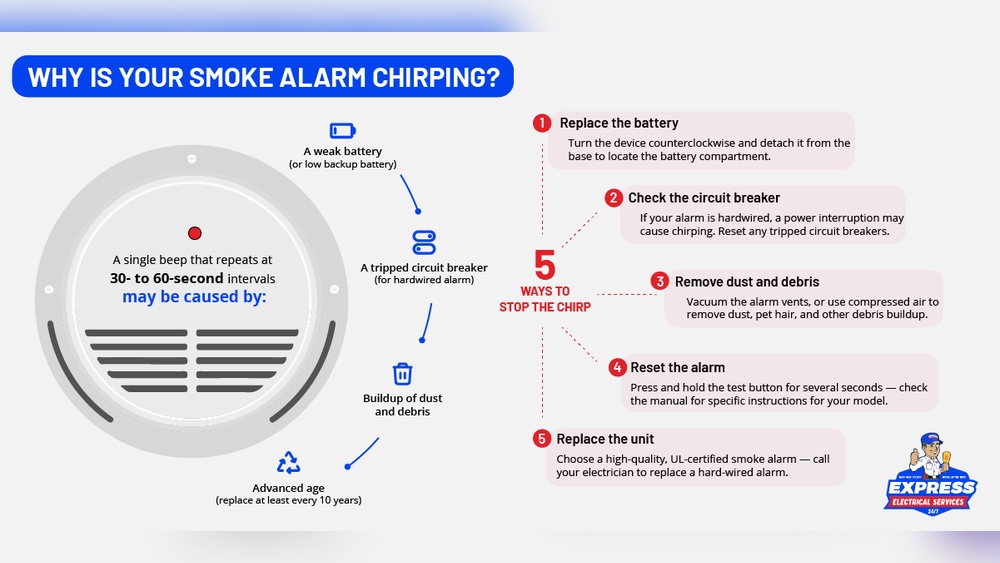
Smoke detectors chirp to alert you of a problem. These sounds can be annoying, especially at night. Knowing the common causes helps you fix the issue fast. Below are the main reasons why smoke detectors start chirping.
Low Battery Issues
Most chirping sounds come from low batteries. Smoke detectors need power to work well. When the battery runs low, the device sends a warning beep. Replacing the battery usually stops the chirping.
Dust And Debris
Dust can build up inside the smoke detector. This dirt blocks sensors, causing false alarms or chirps. Cleaning the detector gently with a vacuum or cloth can help. Keep detectors free from dust to avoid problems.
End Of Life Signals
Smoke detectors have a lifespan of about 8 to 10 years. After this time, they may chirp to signal they need replacement. Check the date on the detector. Replace old units to keep your home safe.
Electrical Problems
Hardwired smoke detectors can chirp due to electrical issues. Loose wires or power surges might cause this sound. Inspect connections or call an electrician if needed. Proper wiring keeps detectors working correctly.
Credit: www.theatlantic.com
Quick Battery Fixes
Smoke detectors often chirp at night due to low battery power. Quick battery fixes can stop the annoying noise fast. Changing the battery is usually the best solution. Follow safe steps to fix the problem without damage or risk.
This section covers how to replace batteries safely, choose the right battery type, and install batteries properly. These tips will keep your smoke detector working well and quiet at night.
Replacing Batteries Safely
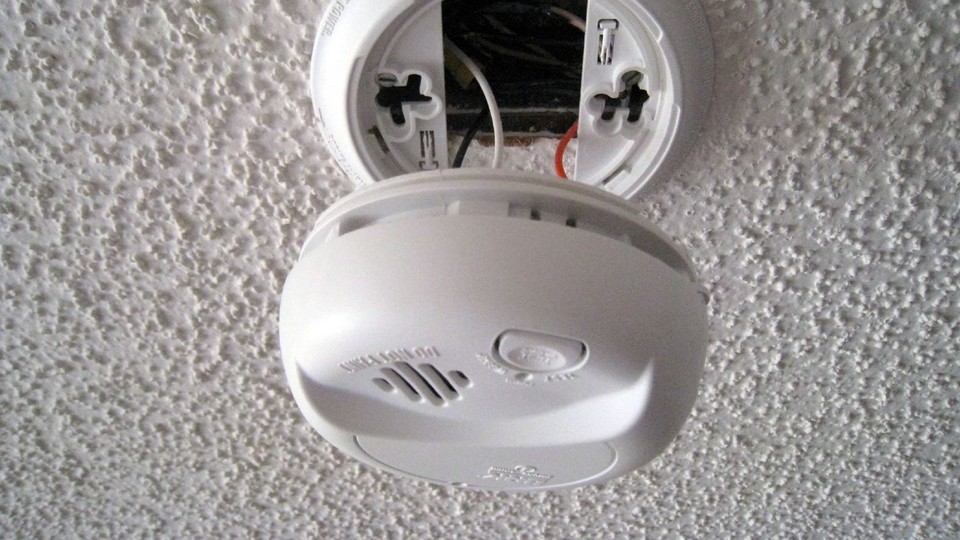
Turn off the power to the smoke detector before removing the battery. Use a sturdy ladder to reach the device safely. Handle the battery carefully to avoid leaks or damage. Dispose of old batteries properly in a recycling bin. Clean the battery contacts gently with a dry cloth before inserting a new battery.
Choosing The Right Battery Type
Check your smoke detector’s manual for the correct battery type. Most detectors use 9-volt or AA batteries. Use high-quality batteries for longer life and better performance. Avoid mixing old and new batteries or different brands. Using the wrong battery can cause chirping or failure.
Proper Battery Installation
Match the battery terminals to the smoke detector’s connectors. Insert the battery firmly but do not force it. Close the battery compartment securely to prevent loose connections. Test the smoke detector by pressing the test button. The device should beep once to confirm proper installation.
Cleaning And Maintenance Tips
Smoke detectors may chirp at night due to dust or dirt buildup. Cleaning and maintaining them helps stop these annoying sounds. Proper care keeps your detectors working well and your home safe.
Using Compressed Air
Compressed air removes dust inside the smoke detector. Use a can with a nozzle to blow air gently. Avoid shaking the detector or using too much force. This clears tiny particles that cause false alarms or chirping.
Wiping Sensors Gently
Use a soft cloth to wipe the sensors carefully. Do not press hard or use liquids. Dirt on sensors can make the detector beep or fail to work. A gentle wipe keeps sensors clean and responsive.
Regular Cleaning Schedule
Clean smoke detectors every three to six months. Set a reminder to check and clean them often. Regular care prevents dust buildup and extends detector life. Consistent cleaning reduces the chance of nighttime chirping.

Credit: www.youtube.com
Resetting Your Smoke Detector
Resetting your smoke detector can stop the annoying chirping sound at night. This simple step often fixes issues without replacing batteries or the device. It clears errors and resets the sensor. Knowing how to reset your smoke detector helps keep your home safe and quiet.
Manual Reset Steps
First, locate the reset button on the smoke detector. Press and hold the button for 15 to 20 seconds. You may hear a beep or the light may flash. This means the detector is resetting. Release the button and wait a few seconds. The chirping should stop if the reset worked. If not, try replacing the battery and reset again.
When To Perform A Reset
Reset your smoke detector after changing the battery. Also reset if the alarm chirps without reason. Resetting helps clear false alarms or sensor errors. Perform a reset if the detector has been triggered by steam or dust. Do not ignore repeated chirping. Resetting can solve the problem quickly and keep your home safe.
Upgrading Or Replacing Detectors
Smoke detectors play a vital role in home safety. Over time, they may start to chirp at night due to low batteries or old age. Sometimes, simply changing batteries is not enough. Upgrading or replacing detectors can stop the annoying noise and ensure your home stays protected.
New detectors offer better technology, longer battery life, and improved reliability. Choosing the right model and disposing of old units properly keeps your home safe and sound.
Signs You Need A New Detector
Chirping that does not stop after battery change shows a problem. Smoke detectors older than 10 years may fail to work correctly. Frequent false alarms or no alarms during tests are warning signs. Damage or corrosion on the unit also means it needs replacing.
Choosing Modern Models
Look for detectors with long-life batteries or hardwired power. Models with silence or hush buttons reduce noise during cooking or steam. Consider detectors with digital displays for easy status checks. Opt for units that meet current safety standards and certifications.
Proper Disposal Of Old Units
Smoke detectors contain small amounts of radioactive material. Do not throw old units in regular trash. Check local regulations for safe disposal or recycling centers. Many stores offer take-back programs for smoke detectors. Proper disposal protects the environment and your community.
Preventing Future Chirps
Stopping smoke detectors from chirping at night is important for a good sleep. Preventing future chirps means taking steps to keep the detectors working well. Regular care helps avoid annoying sounds and keeps your home safe.
Routine Checks
Check your smoke detectors every month. Replace batteries at least once a year. Clean dust and dirt from the detector gently with a soft brush. Test the alarm by pressing the test button. This keeps the device ready to alert you.
Environmental Factors
Keep smoke detectors away from kitchens and bathrooms. Steam and smoke can cause false chirps. Avoid placing detectors near windows or vents. Changes in temperature and humidity can trigger noises. Proper placement reduces false alarms and chirping.
Professional Inspections
Have a professional check your smoke detectors yearly. They can find problems you might miss. Professionals can test the wiring and replace old parts. This helps keep your alarms in good condition. Safety experts ensure reliable performance.
Frequently Asked Questions
Why Do Smoke Detectors Chirp At Night?
Smoke detectors chirp at night due to low battery or sensor issues. The chirping alerts you to replace the battery or check the device. Nighttime chirps are more noticeable in quiet environments, making it important to address the cause promptly for safety.
How Can I Stop Smoke Detector Chirping Temporarily?
To stop chirping temporarily, press the hush or silence button on the detector. Replace the battery if the chirp continues. Ensure the device is clean and free of dust. This quick fix helps silence alerts until a permanent solution is applied.
What Type Of Battery Prevents Smoke Detector Chirping?
Use high-quality lithium or alkaline batteries to prevent chirping. These batteries last longer and provide steady power to the detector. Avoid cheap or old batteries as they cause frequent low-battery chirps and reduce device reliability.
Can Humidity Cause Smoke Detectors To Chirp?
Yes, high humidity or steam can cause false chirping. Moisture affects the sensor’s accuracy and triggers alerts. Place detectors away from bathrooms or kitchens and use ventilation to reduce humidity near devices.
Conclusion
Stopping smoke detectors from chirping at night is simple with the right steps. Check the battery first and replace it if needed. Clean the detector to remove dust and debris. Make sure it is installed correctly and not too close to humidity or heat sources.
Regular maintenance keeps your home safe and quiet. A quiet night helps everyone rest better. Keep your detectors working well for peace of mind. Small actions prevent annoying sounds and protect your family. Safety and calm go hand in hand.