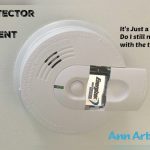
You rely on your smoke detector to keep you and your loved ones safe every day. But how can you be sure it’s actually working when you need it most?
A smoke detector that doesn’t function properly is like having no protection at all. You’ll discover simple and effective ways to check if your smoke detector is doing its job. By the end, you’ll feel confident that your home is safer and that your peace of mind is well protected.
Keep reading—your safety depends on it.

Credit: redsmokealarms.com.au
Signs Of A Working Smoke Detector
Knowing the signs of a working smoke detector helps keep your home safe. A reliable smoke detector alerts you early to danger. It gives signals you can easily notice and understand.
Regular Beeping And Chirping
A smoke detector usually beeps regularly to show it works. Short chirps often mean the battery is low. A steady beep means it senses smoke or fire. Listen for these sounds often to stay safe.
Visual Indicator Lights
Most smoke detectors have small lights to show they work. A green or red light blinking means the device is active. If the light is off, the detector might need attention. Watch the light to check its status.
Response To Test Button
Pressing the test button is a quick way to check the detector. It should make a loud sound right away. No sound means the battery or device may fail. Test your smoke detector monthly for best safety.
Testing Your Smoke Detector
Testing your smoke detector is a simple way to ensure it works when needed. Regular testing helps keep your home safe from fire risks. It only takes a few minutes but can save lives.
Using The Built-in Test Button
Most smoke detectors have a test button on the device. Press and hold this button for a few seconds. The alarm should sound loudly. If the sound is weak or silent, replace the batteries or the unit. This test checks the battery and electronics, but not the sensor itself.
Smoke Simulation Methods
To test the sensor, use smoke simulation. Light a match and blow it out near the detector. The smoke should trigger the alarm within seconds. Avoid using too much smoke or fire. Use a smoke detector test spray as a safer alternative. This method confirms the sensor detects smoke correctly.
Frequency Of Testing
Test your smoke detector once a month. Check the batteries every six months. Replace batteries at least once a year. Replace the entire smoke detector every 10 years. Regular tests keep your device reliable and ready to warn you of danger.
Maintaining Your Smoke Detector
Keeping your smoke detector in good condition is key to home safety. Regular care ensures it works when you need it most. Simple steps can extend its life and keep it ready to alert you.
Battery Replacement Tips
Check your smoke detector battery every six months. Replace batteries at least once a year. Use fresh, high-quality batteries for best performance. Avoid mixing old and new batteries in the device. Test the alarm after changing the battery to confirm it works.
Cleaning And Dust Removal
Dust can block the sensor and stop your alarm from working. Clean your smoke detector every few months. Use a soft brush or vacuum with a soft nozzle. Do not use water or cleaning sprays. Keep the area around the alarm free from dust and debris.
Sensor Lifespan And Replacement
Smoke detectors do not last forever. Most sensors work well for 8 to 10 years. Write the installation date on the device for tracking. Replace the smoke detector after 10 years to ensure safety. Old sensors may fail and give false alarms.
Common Smoke Detector Issues
Smoke detectors are crucial for home safety. They alert you to smoke and fire early. Yet, these devices can face common issues. Knowing these helps keep your detector working well.
Some problems cause false alarms. Others stop the detector from responding. Battery issues are also frequent. Understanding these problems helps you act fast.
False Alarms Causes
False alarms happen often. Dust or insects inside the detector can trigger it. Cooking smoke or steam from bathrooms may also cause false alerts. Poor placement near kitchens or vents increases false alarms. Regular cleaning and moving the detector can reduce false alarms.
Detector Not Responding
Sometimes the detector does not respond at all. This can happen if the device is old or damaged. A dirty sensor may fail to detect smoke. Improper installation or loose wiring can stop the alarm. Test your detector monthly to ensure it works properly.
Battery Drain Problems
Battery issues are common. Low or dead batteries cause weak or no alarms. Using the wrong battery type drains power faster. Some detectors beep to warn about low batteries. Replace batteries yearly or as soon as you hear the warning beep.
Upgrading And Installing Smoke Detectors
Upgrading and installing smoke detectors is key to home safety. Old devices might not work well or miss early smoke signs. New models offer better features and longer life. Correct installation ensures detectors catch smoke quickly. This keeps your family safer and more secure.
Choosing The Right Type
Pick smoke detectors that fit your home needs. Ionization detectors sense fast flames well. Photoelectric types detect slow, smoldering fires better. Combination alarms give broad protection. Battery-powered models are easy to install anywhere. Hardwired ones connect to home power for constant operation.
Proper Placement In Your Home
Place detectors in key areas. Install one inside each bedroom and outside sleeping spaces. Put detectors on every floor, including the basement. Avoid kitchens or bathrooms to reduce false alarms. Mount them on ceilings or high on walls for best results.
Interconnected Systems Benefits
Interconnected alarms link all detectors together. When one sounds, all alarms ring loudly. This alerts everyone quickly, even far from the fire. Wireless systems are simple to set up. They offer peace of mind with full home coverage.

Credit: www.wikihow.com
Safety Practices Beyond Detection
Smoke detectors save lives by alerting us to fires early. Yet, safety requires more than just a working alarm. Knowing what to do during a fire is just as important. Safety practices beyond detection help protect your family and home.
These steps prepare everyone for quick, calm action. They reduce panic and keep escape routes clear. Safety is a team effort, and practice is key.
Regular Fire Drills
Practice makes perfect. Hold fire drills at least twice a year. Teach everyone how to respond when the alarm sounds. Move quickly to your meeting spot outside the home. Use the drill to find problems in your escape plan. Make changes and practice again. Regular drills build confidence and save lives.
Emergency Exit Plans
Create a clear escape plan for every room. Mark two ways out if possible. Check windows and doors to ensure they open easily. Share the plan with everyone in your home. Post it where all can see. Practice using different exits. This plan guides safe, fast escapes during emergencies.
Additional Fire Safety Devices
Smoke detectors are essential, but extra tools help too. Install fire extinguishers on each floor. Learn how to use them safely. Consider heat detectors in kitchens or garages. Use carbon monoxide alarms for extra protection. These devices add layers of safety for your home.
Credit: www.townofdavidson.org
Frequently Asked Questions
How Often Should I Test My Smoke Detector?
You should test your smoke detector once a month. Regular testing ensures it functions correctly and alerts you promptly. Press the test button until the alarm sounds. Replace batteries annually or when the alarm chirps for low power.
What Are Signs My Smoke Detector Is Faulty?
Frequent false alarms, no sound during tests, or a chirping noise indicate a faulty detector. Dust buildup can cause false alarms. Clean the unit regularly and replace batteries. If problems persist, replace the smoke detector immediately.
Can I Check Smoke Detector Batteries Without Removal?
Yes, most smoke detectors have a test button to check batteries. Pressing it activates the alarm sound if batteries work. This method avoids removing the detector and ensures quick battery verification.
What Is The Lifespan Of A Smoke Detector?
Smoke detectors typically last 8 to 10 years. After this, sensors may fail to detect smoke accurately. Replace your smoke detector after this period to maintain optimal safety and compliance with safety standards.
Conclusion
Checking your smoke detector regularly keeps your home safe. Press the test button once a month to hear the alarm. Replace batteries at least once a year or when it beeps. Clean the detector gently to avoid dust build-up. Remember, a working smoke detector can save lives.
Stay alert and take simple steps to protect your family. Safety starts with small actions you can do today. Don’t wait until it’s too late. Keep your smoke detector ready and reliable.