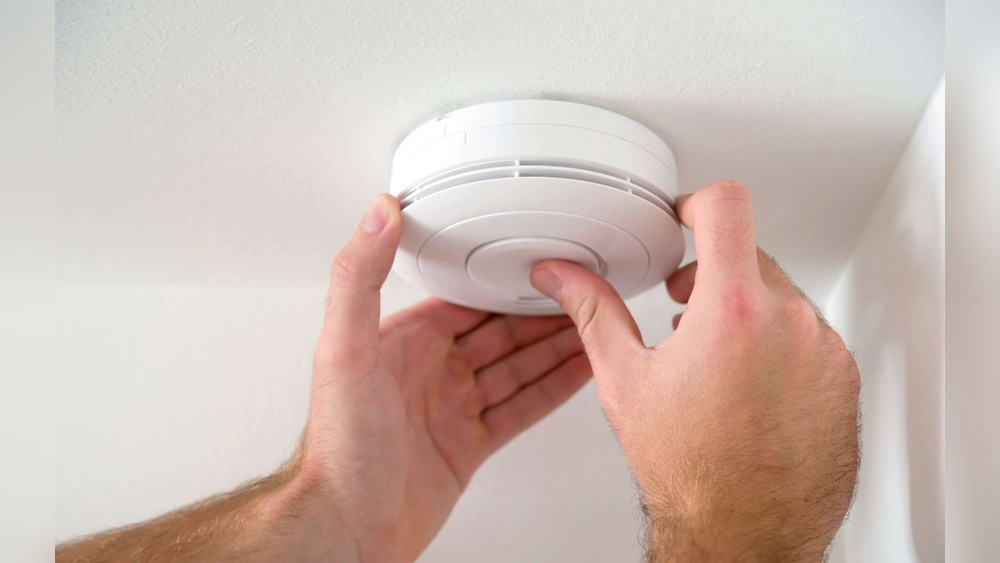

Your smoke detector is beeping nonstop, and it’s driving you crazy. You want to know how to turn it off quickly and safely without risking your home’s safety.
If you’ve ever been in this frustrating situation, you’re not alone. This guide will show you exactly what to do when your smoke detector won’t stop sounding. Keep reading to learn simple steps you can take right now to silence that noise and get peace back in your home.

Credit: www.wikihow.com
Types Of Smoke Detectors
Smoke detectors come in several types, each serving specific needs. Choosing the right one depends on your home setup and safety goals. Knowing the types helps in managing them properly, including how to turn them off safely.
Battery-powered Models
Battery-powered smoke detectors run on replaceable batteries. They are easy to install anywhere in the house. These models beep when the battery is low or when they detect smoke. Turning them off usually means pressing a button or removing the battery.
Hardwired Systems
Hardwired smoke detectors connect directly to your home’s electrical system. They often have a battery backup for power outages. These alarms are linked, so when one sounds, all alarms ring. Turning them off may require using a switch or disconnecting power safely.
Combination Alarms
Combination smoke detectors include smoke and carbon monoxide sensors. They protect against smoke and dangerous gas leaks. These alarms often have both battery and hardwired power options. Turning off combination alarms can involve pressing a reset button or following specific safety steps.
Credit: www.netatmo.com
Common Reasons To Turn Off Smoke Detectors
Smoke detectors keep homes safe by alerting people to smoke or fire. Sometimes, turning off a smoke detector is needed. Knowing when to do this helps avoid problems and keeps safety intact.
False Alarms
Smoke detectors may sound without real danger. Cooking smoke, steam, or dust can trigger false alarms. Turning off the alarm briefly stops the noise. It helps prevent panic and disturbance.
Maintenance And Cleaning
Dust and dirt can build up inside smoke detectors. This can cause the alarm to beep or fail. Turning off the detector is necessary before cleaning. This prevents accidental alarms during maintenance.
Battery Replacement
Smoke detectors often beep when batteries run low. Replacing batteries is important to keep the alarm working. Turning off the detector before changing batteries stops loud beeping. It makes the process easier and quieter.
Quick Steps To Disable Smoke Detectors Safely
Knowing how to turn off a smoke detector safely is important. Smoke alarms can be noisy and distracting if they sound without a real fire. Sometimes, you need to stop the alarm quickly. Follow these easy steps to disable your smoke detector safely. Always keep safety in mind.
Locating The Detector
Find the smoke detector in your home. Most are on ceilings or high on walls. Check near kitchens, hallways, and bedrooms. Use a ladder if needed. Be careful when climbing.
Using The Silence Button
Many detectors have a silence or hush button. Press this button to stop the alarm sound temporarily. The alarm will reset after a few minutes. This option works for minor false alarms.
Removing The Battery
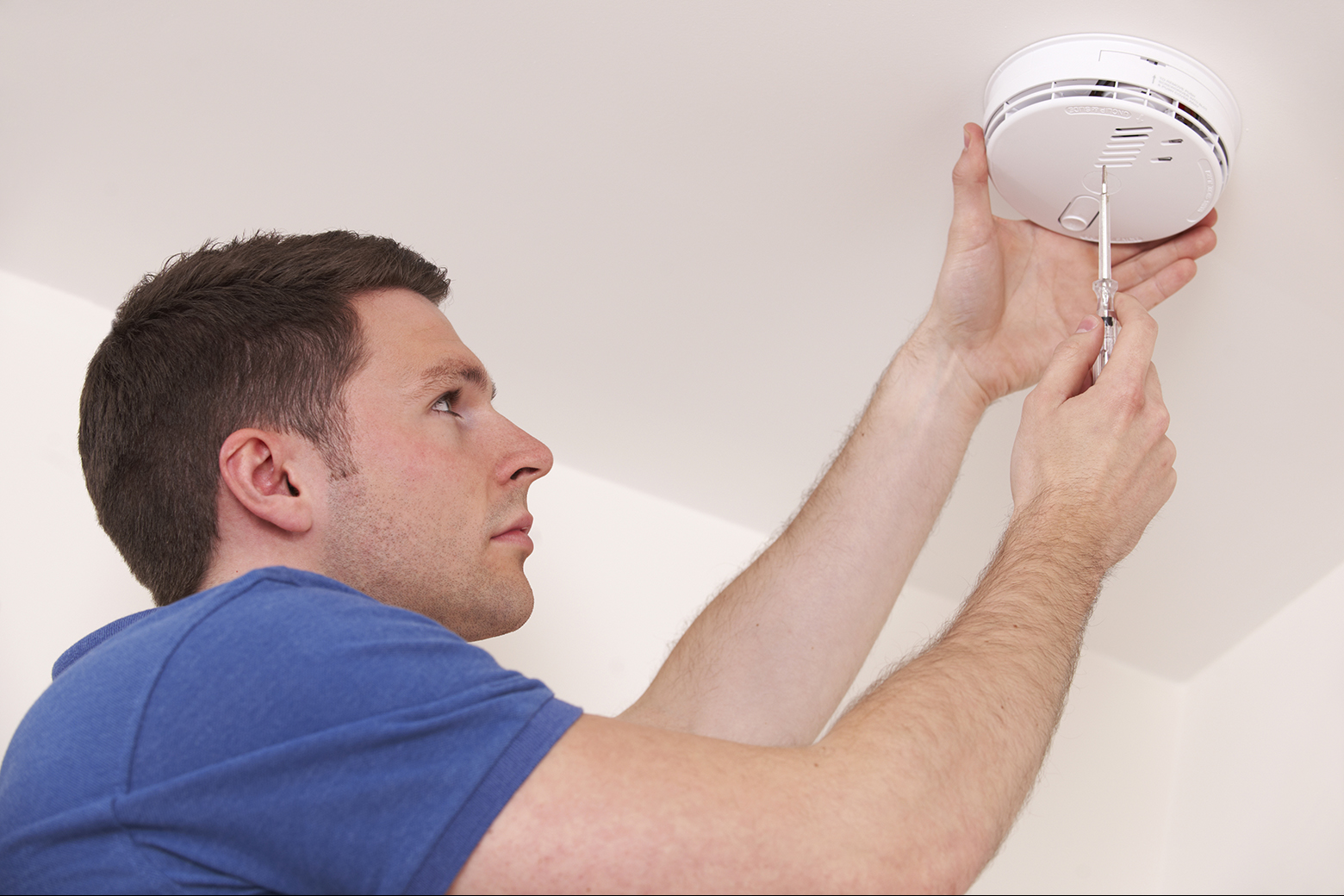
Turn off the detector by opening its cover. Remove the battery carefully. This stops the alarm completely. Replace the battery as soon as possible. Smoke detectors need power to protect you.
Disconnecting Hardwired Units
Hardwired smoke detectors connect to your home’s electricity. Find the main power switch or breaker for the detector. Turn off the power first. Then disconnect the detector’s wiring. Only do this if you know how. Call a professional if unsure.
Precautions Before Turning Off Smoke Detectors
Turning off smoke detectors requires careful thought. These devices protect your home and family from fire dangers. Always take steps to keep safety a top priority. Follow simple rules before you disable your smoke detector. These help prevent accidents and keep everyone informed.
Ensuring Fire Safety
Check your home for any fire risks before turning off the alarm. Remove sources of smoke or steam that might trigger the detector. Keep a fire extinguisher nearby just in case. Avoid leaving the detector off for long periods. Remember, smoke detectors save lives by giving early warnings.
Informing Household Members
Tell everyone in the house about your plan to turn off the alarm. This stops surprise or panic from a silent or inactive detector. Explain why you need to turn it off and how long it will be off. Clear communication helps maintain trust and safety for all family members.
Setting A Reminder To Reactivate
Create a clear reminder to turn the smoke detector back on. Use a phone alarm, sticky note, or calendar alert. Reactivating the alarm quickly restores your home’s fire protection. Forgetting to switch it back on can increase risk. A simple reminder keeps safety first at all times.
Troubleshooting Persistent False Alarms
Persistent false alarms from smoke detectors can be frustrating. They disturb your peace and can cause unnecessary panic. Understanding how to fix these false alarms helps keep your home safe and quiet.
False alarms often mean the detector needs attention. Simple steps can solve the problem quickly. Check the detector carefully to find the cause.
Cleaning The Detector
Dust and dirt can trigger false alarms. Clean the detector regularly using a soft brush or vacuum. Remove any cobwebs or debris near the sensor. Keep the device free from dust buildup.
Checking For Environmental Triggers
Smoke detectors react to smoke and steam. Cooking fumes or steam from bathrooms can cause false alarms. Avoid placing detectors too close to kitchens or bathrooms. Use exhaust fans to reduce smoke and moisture.
Replacing Old Units
Smoke detectors lose sensitivity over time. Replace units older than 10 years to avoid false alarms. New detectors work better and keep your home safe. Check the manufacture date on your device.
When To Call A Professional
Knowing when to call a professional for your smoke detector saves time and keeps you safe. Some problems need expert care. Trying to fix these issues alone can cause damage or risk your safety.
Read on to learn about situations that require a professional’s help. This way, you avoid bigger problems and keep your home protected.
Complex Hardwired Systems
Hardwired smoke detectors connect to your home’s electrical system. These systems can be tricky to manage. Professionals have the right tools and knowledge. They ensure the system works well without causing electrical faults or damage.
Electrical Concerns
Any electrical problem is serious. If your smoke detector causes sparks or trips circuit breakers, call an expert. They can check wiring safely. Avoid touching wires or trying to fix electrical parts yourself.
Repeated Malfunctions
If your smoke detector keeps beeping or turning off on its own, it may have a deeper issue. A professional can find the root cause. This prevents false alarms or failure to alert in emergencies.

Credit: waynealarm.com
Frequently Asked Questions
How Do I Temporarily Turn Off A Smoke Detector?
Press and hold the silence or hush button on the detector. This usually stops the alarm for 8-15 minutes. Check your model’s manual for exact instructions.
Can I Disable A Smoke Detector Permanently?
Disabling a smoke detector permanently is unsafe and illegal in many areas. Always keep smoke detectors active for safety and compliance.
Why Won’t My Smoke Detector Stop Beeping?
A smoke detector beeps due to low battery or dust inside. Replace the battery or clean the unit to stop the beeping.
How To Turn Off A Smoke Detector During Cooking?
Use the silence button to temporarily stop false alarms when cooking. Ensure the detector reactivates automatically afterward for safety.
Conclusion
Turning off a smoke detector is simple but must be done carefully. Always check the instructions for your specific model. Remember, smoke detectors save lives by warning of fire. Only turn them off when necessary and for a short time.
Replace batteries regularly to keep them working well. Stay safe and keep your home protected at all times.