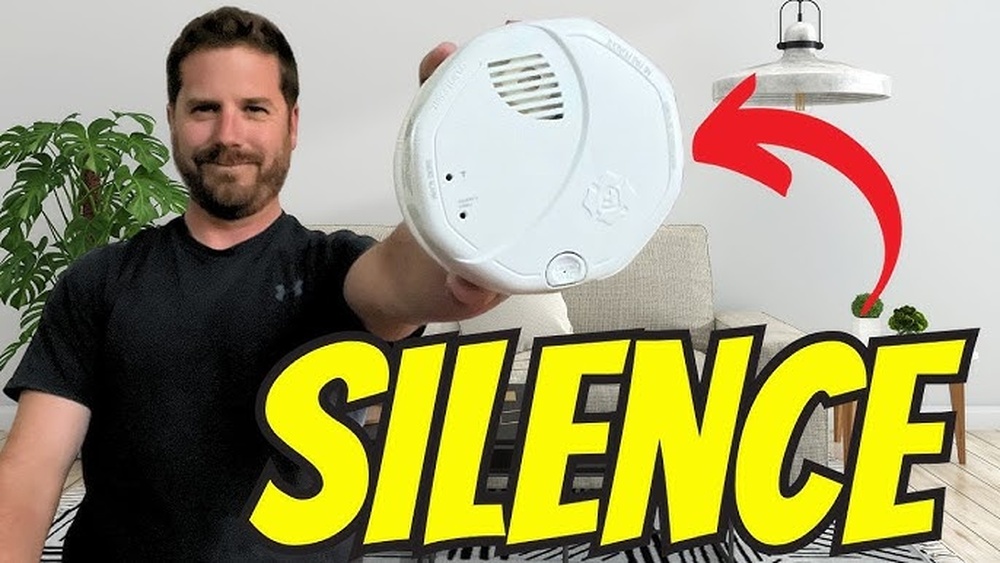

Is your First Alert smoke detector beeping nonstop and driving you crazy? You’re not alone.
That constant alarm is meant to keep you safe, but when it goes off without a real emergency, it can feel overwhelming. What if you could stop the noise quickly and safely? In this guide, you’ll discover simple steps to silence your First Alert smoke detector and get peace back in your home—without risking your safety.
Keep reading to learn exactly what to do the next time your alarm won’t quit.
Common Reasons For Smoke Detector Alarms
Smoke detectors are vital for home safety. They alert you to dangers like fire or smoke. Sometimes, these alarms sound without real danger. Understanding why they go off helps you respond correctly. Many false alarms happen due to common, easy-to-fix causes.
Low Battery Warnings
One frequent cause of alarms is a low battery. Smoke detectors beep or chirp to signal battery replacement. This warning sound can be annoying but is crucial for safety. Changing batteries regularly keeps the alarm working well. Always use the recommended battery type for your model.
Dust And Debris Build-up
Dust and dirt inside the smoke detector can trigger false alarms. Tiny particles block the sensor and cause it to beep. Cleaning the device gently with a soft brush or vacuum helps. Keep detectors free from dust to avoid unnecessary alarms.
Steam And Cooking Smoke
Steam from showers or smoke from cooking often sets off alarms. These particles mimic smoke and confuse the detector. Placing detectors away from kitchens and bathrooms reduces false alerts. Using kitchen fans and opening windows also helps clear the air.
Electrical Issues
Faulty wiring or power surges can cause alarms to sound unexpectedly. Hardwired smoke detectors may beep if connections are loose. Check wiring carefully or call a professional for repairs. Proper installation and maintenance prevent these problems.
Immediate Steps To Silence The Alarm
Knowing how to silence your First Alert smoke detector quickly helps stop loud alarms. This stops noise while you check for any real danger. Follow these steps carefully to silence the alarm safely and fast.
Pressing The Silence Button
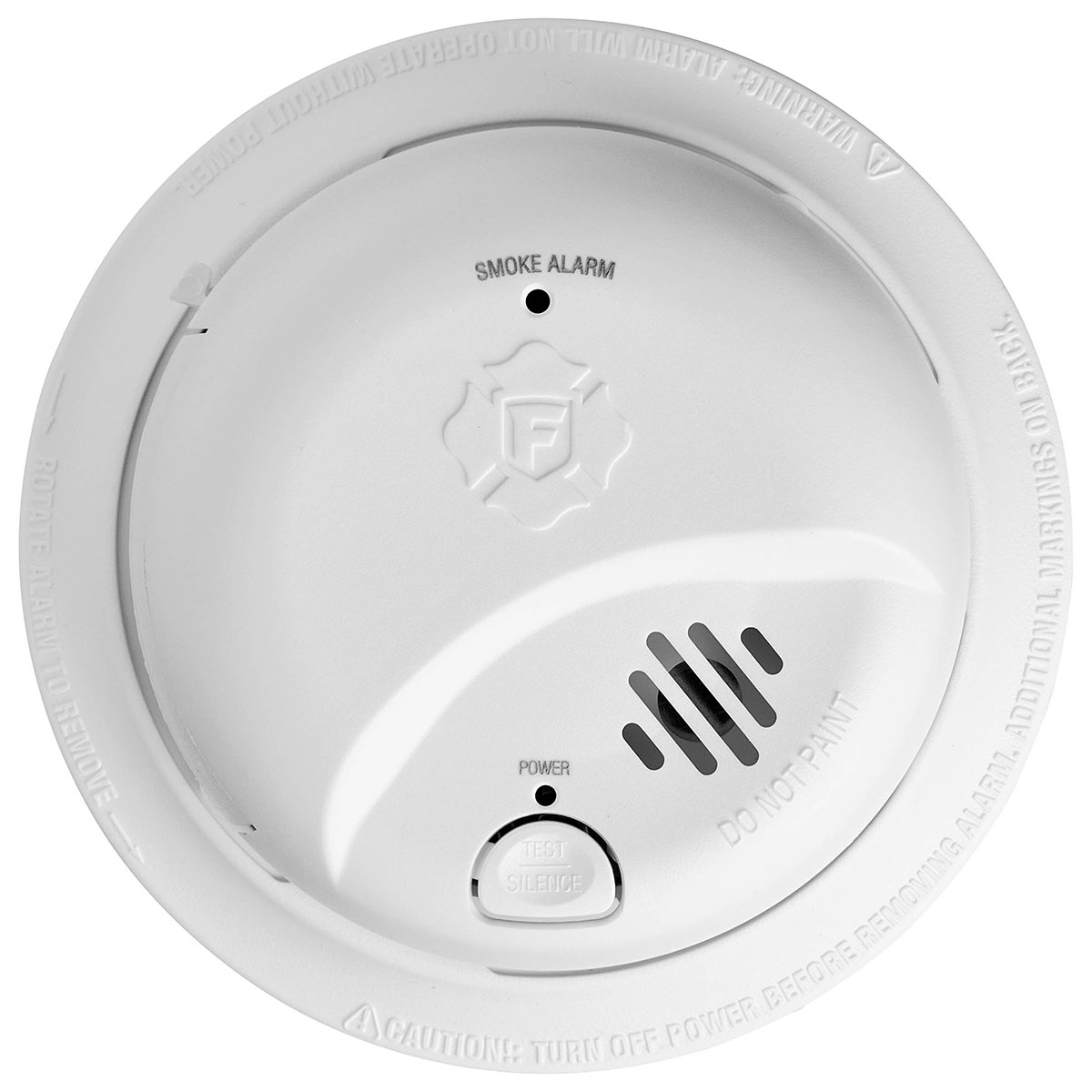
The easiest way to stop the alarm sound is by pressing the silence button. This button is usually on the front of the detector. Press it firmly once. The alarm should stop ringing immediately. This silence lasts for about 8 to 10 minutes. During this time, check the area for smoke or fire. If the alarm goes off again, press the button once more.
Removing The Battery Temporarily
If the silence button does not work, remove the battery to stop the alarm. Open the detector’s cover carefully. Take out the battery and wait for a few seconds. This will stop the alarm sound. Remember, removing the battery makes the detector inactive. Put the battery back after a short time to keep your home safe.
Resetting The Detector
Resetting your smoke detector can clear false alarms. Hold down the reset button for 15 to 20 seconds. This button is near the silence button or inside the detector. The alarm will stop and the detector will refresh its settings. Resetting helps if the detector senses smoke from cooking or steam. Always test the detector after resetting to ensure it works properly.
Cleaning And Maintenance Tips
Keeping your First Alert smoke detector clean and well-maintained helps prevent false alarms. It also ensures the alarm works when needed. Dust and dirt can block sensors and cause problems. Regular care keeps your home safer and your detector quieter.
Proper Dust Removal Techniques
Use a soft brush or a vacuum with a brush attachment. Gently clean around the detector’s vents and surface. Avoid using water or spray cleaners. Dust buildup can cause false alarms or silence the detector.
Regular Battery Replacement
Change the batteries at least once a year. Some models have a low battery warning sound. Do not wait for the beep. Always use fresh, quality batteries to keep the detector working well.
Avoiding False Alarms
Place the detector away from kitchens and bathrooms. Steam and cooking smoke can trigger false alarms. Keep the area around the detector clear. Avoid spraying air fresheners or paint near the device.
Credit: www.firstalertstore.com
When To Replace The Smoke Detector
Knowing when to replace your First Alert smoke detector is very important. A working smoke detector keeps your home safe by alerting you early to fire. Over time, smoke detectors can lose their ability to sense smoke accurately. Replacing them at the right time ensures your safety and peace of mind.
Signs Of Malfunction
Watch for strange beeping sounds that happen often. These can mean the detector is failing. If the alarm sounds randomly without smoke, it might be broken. Check if the test button does not work. A detector that does not respond to testing needs replacing. Also, if the detector is physically damaged, replace it immediately.
Manufacturer’s Lifespan Recommendations
Most First Alert smoke detectors last about 10 years. The manufacturer advises replacing the unit after this time. This is because sensors inside wear out and stop working well. Check the date printed on the back of the detector. If it is older than 10 years, it is time to get a new one. Following these guidelines helps keep your home safe.
Safety Precautions While Handling Detectors
Handling smoke detectors requires care and attention. Safety is important to avoid damage and keep the device working well. Proper handling ensures the detector can protect your home effectively. Follow these safety tips to handle your First Alert smoke detector correctly.
Avoiding Damage
Turn off the power before touching the detector. Avoid dropping or shaking it to prevent internal damage. Use gentle pressure when pressing buttons or removing the detector. Do not pull on wires or force parts apart. Keep the detector away from water and dust during handling.
Ensuring Proper Reinstallation
Check the mounting bracket before reinstalling the detector. Align the detector carefully and twist it into place securely. Reconnect the battery or power source firmly. Test the detector after installation to confirm it works. Ensure the detector sits flush against the ceiling or wall.
Credit: www.reddit.com
Credit: support.firstalert.com
Frequently Asked Questions
How Do I Silence A First Alert Smoke Detector Alarm?
Press and hold the “HUSH” button on the detector for 5-10 seconds. This temporarily silences the alarm for about 8 minutes, allowing you to clear any smoke or steam causing the alert.
Why Is My First Alert Smoke Detector Beeping Continuously?
Continuous beeping often means the battery is low or needs replacement. Replace the battery promptly to ensure proper function and stop the beeping.
Can I Silence A First Alert Smoke Detector Without Removing The Battery?
Yes, use the “HUSH” button to temporarily silence the alarm. Removing the battery is not necessary and may disable important safety features.
How Long Does The First Alert Smoke Detector Silence Mode Last?
The silence mode typically lasts about 8 minutes. After this, the detector will reset and sound again if smoke is still detected.
Conclusion
Silencing a First Alert smoke detector can be quick and easy. Follow the steps carefully to avoid mistakes. Always check the battery and sensor before resetting the alarm. Keep your home safe by testing the detector regularly. Remember, silence only the false alarms, not real dangers.
Stay calm and act fast when the alarm sounds. This way, you protect your family without stress or confusion. Simple actions make a big difference in home safety.