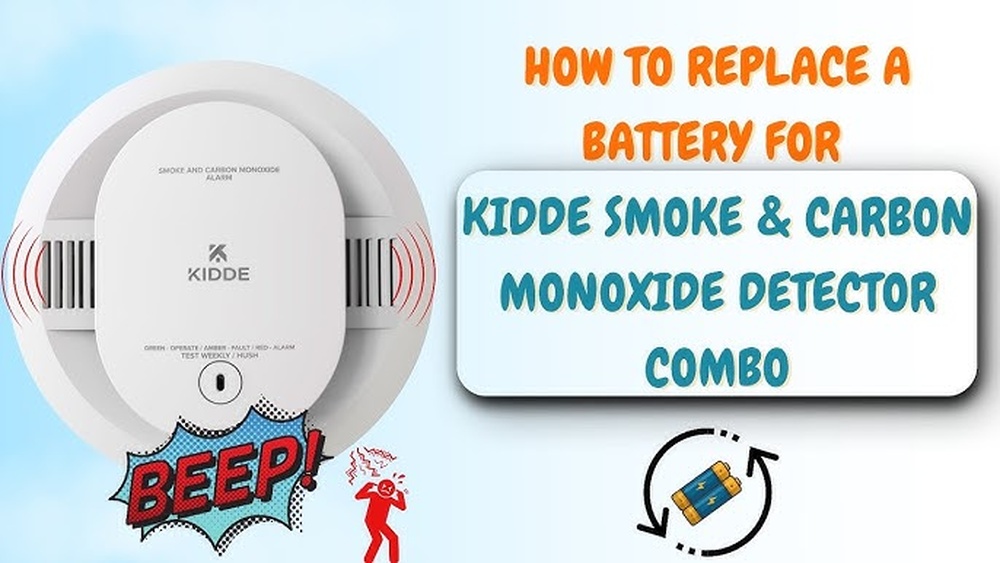

Your safety at home depends on having a working smoke detector, and the battery is its lifeline. If your Kidde smoke detector starts beeping or showing signs of a weak battery, it’s time to replace it.
But don’t worry—changing the battery is easier than you might think. In this guide, you’ll learn exactly how to replace the battery in your Kidde smoke detector quickly and safely. Keep reading to make sure your home stays protected without any hassle.
Signs To Replace The Battery
Knowing when to replace the battery in your Kidde smoke detector is crucial. A working smoke detector keeps your home safe. Watch for clear signs that the battery needs changing. Acting quickly prevents the detector from failing during an emergency.
Low Battery Alerts
Your Kidde smoke detector will alert you when the battery runs low. It often makes a chirping sound. This sound repeats every minute or so. The alert continues until you replace the battery. Don’t ignore these beeps. They mean the detector may stop working soon.
Detector Beeping Patterns
Different beeping patterns tell you what is wrong. A single beep every minute usually means low battery. Rapid beeping might mean a sensor error or a different problem. Check the user manual to understand your detector’s signals. Recognizing these patterns helps you act fast.
Check Expiry Date
Smoke detectors have an expiry date, usually on the back. After this date, the whole unit may fail. Batteries can also expire even if not used. Always check the battery’s expiration date before installing. Replace batteries regularly to keep your detector reliable.
Credit: www.youtube.com
Tools And Materials Needed
Replacing the battery in your Kidde smoke detector is easy with the right tools. Having the correct materials ready will save time and avoid frustration. This guide covers everything needed to complete the task smoothly.
Battery Types Compatible
Kidde smoke detectors usually use 9-volt batteries. Some models may also work with AA or lithium batteries. Check your smoke detector’s manual or label to find the exact battery type. Using the right battery ensures the device works properly and keeps your home safe.
Additional Tools
You may need a small flathead screwdriver to open the battery compartment. A ladder or step stool helps reach ceiling-mounted detectors safely. Keep a soft cloth nearby to hold the smoke detector without dropping it. Having these tools ready makes the replacement faster and safer.
Prepare For Battery Replacement
Start by turning off the smoke detector and removing it from the wall or ceiling. Have a new battery ready and check the model for the correct type. Clean the detector before installing the fresh battery to ensure proper function.
Turn Off Power If Needed
Before starting, check if your smoke detector is hardwired. Some Kidde models connect to home electricity. Turning off power prevents shocks and accidents. Locate the circuit breaker for the smoke detector. Switch it off to cut electricity safely. This step protects you during battery replacement.
Ensure Safety Precautions
Safety matters most when handling smoke detectors. Use a sturdy ladder to reach the device. Make sure the area below is clear. Wear gloves to protect your hands from dust and debris. Avoid touching the sensor inside the detector. Keep children and pets away while working. Follow these steps to stay safe and confident.
Remove The Smoke Detector
Removing the Kidde smoke detector is the first step to replace its battery. Handle the detector gently to avoid damage. Prepare a ladder or sturdy chair to reach the device safely. Ensure the power is off if your model is wired to electricity. Follow simple steps to release and disconnect the smoke detector properly.
Release Detector From Mounting
Locate the base of the smoke detector on the ceiling or wall. Hold the detector firmly and turn it counterclockwise. The device should twist away from the mounting plate. If it feels stuck, try a gentle wiggle while turning. Carefully lower the detector to avoid dropping it.
Disconnect Battery
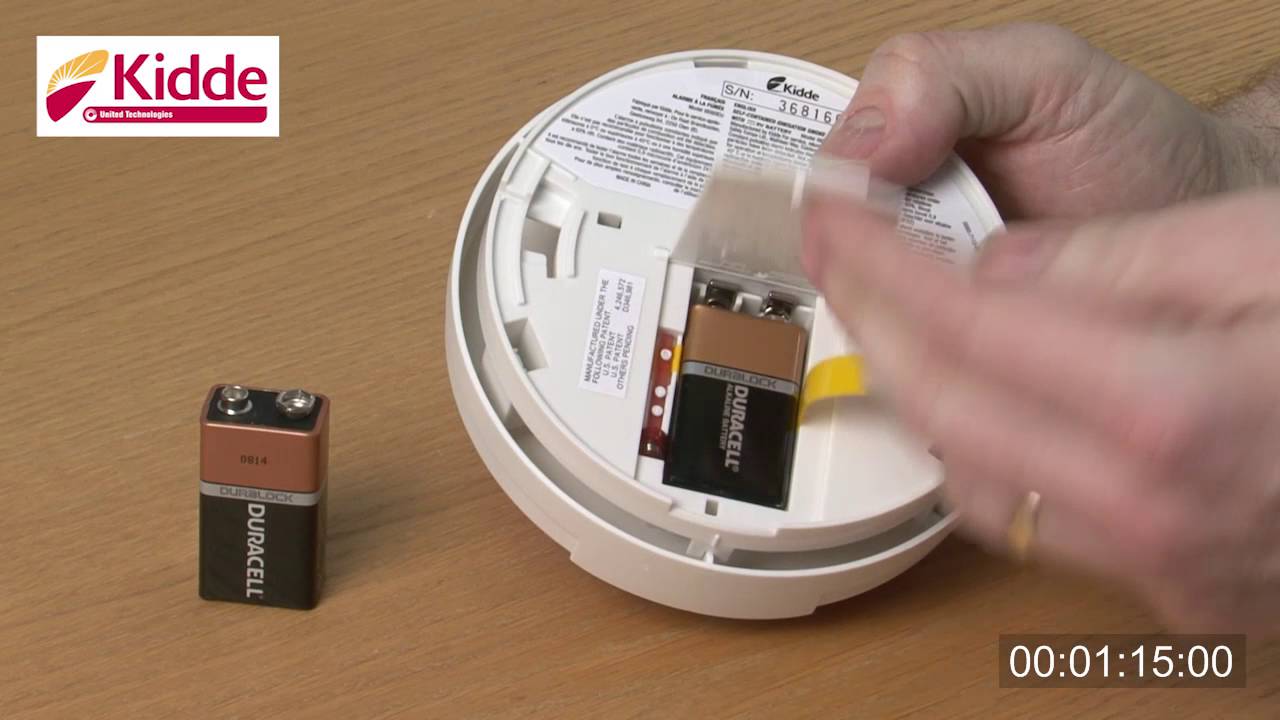
Find the battery compartment on the back of the smoke detector. Open the compartment by sliding or pressing the latch. Remove the old battery with care to prevent damage. Check the battery type before removing it. Disconnect any battery connector plugs if present. Set the old battery aside for proper disposal.
Replace The Battery
Replacing the battery in your Kidde smoke detector is crucial for safety. A fresh battery ensures the device works properly. This step keeps your home protected from fire hazards. Follow these clear instructions to replace the battery quickly and safely.
Insert New Battery Correctly
Open the smoke detector’s battery compartment gently. Take out the old battery carefully. Check the type of battery needed for your model. Align the new battery with the correct positive (+) and negative (–) ends. Push the battery in firmly until it fits snugly. Avoid forcing the battery in the wrong way.
Secure Battery Connections
Confirm the battery is properly seated in the compartment. Look for loose wires or corrosion on the contacts. Clean any dirt with a dry cloth if needed. Ensure the battery connectors touch the battery terminals well. Close the compartment cover tightly to keep the battery secure. Test the detector by pressing the test button to hear a beep.
Reinstall The Smoke Detector
Reinstalling your Kidde smoke detector is the final step after battery replacement. It ensures your device works correctly and keeps your home safe. Follow clear steps to mount and test the unit properly. Safety depends on a secure fit and a working alarm.
Attach Detector To Mounting
First, align the smoke detector with its mounting bracket. Turn it clockwise until it clicks or feels secure. Make sure it fits snugly without wobbling. A loose detector can cause false alarms or fail to detect smoke.
Check that the detector is flush against the ceiling or wall. Avoid forcing it, which can damage the unit. Proper attachment keeps the sensor in the right position for best performance.
Test The Detector
Press and hold the test button on the smoke detector. The alarm should sound loudly within a few seconds. This confirms the battery and sensor work well. If no sound or weak beeps occur, recheck the battery or mounting.
Test your detector monthly for safety. Replace batteries at least once a year. A working smoke alarm saves lives by alerting you early to danger.
Troubleshooting Common Issues
Troubleshooting common issues with your Kidde smoke detector helps keep your home safe. Simple problems can cause false alarms or device failure. Fixing these issues saves time and avoids unnecessary worry. Below are solutions for two frequent problems.
Detector Won’t Stop Beeping
Continuous beeping often means low battery power. Replace the battery with a fresh one. Use only the recommended battery type for your model. Dirt or dust inside the detector can also cause beeping. Clean the detector gently using a soft brush or vacuum.
Check for any loose connections. Press the test button after cleaning and battery replacement. This confirms if the problem is fixed. Persistent beeping might mean the detector is old. Consider replacing the entire unit if it’s over 10 years old.
Detector Not Powering On
Start by checking the battery installation. Ensure the battery is inserted correctly with the right polarity. Use a new battery if the current one is dead. Inspect the battery compartment for corrosion or dirt.
Clean any corrosion gently with a dry cloth. Make sure the detector is firmly attached to its mounting bracket. Loose connections may prevent power flow. If the detector still doesn’t turn on, test another new battery. Faulty smoke detectors need replacement for safety.

Credit: www.reddit.com
Maintenance Tips For Longer Battery Life
Maintaining your Kidde smoke detector battery properly helps it last longer. Simple care steps keep the device working well. Save time and money by extending battery life. Follow these tips to ensure your smoke detector stays reliable.
Regular Testing
Test your smoke detector once a month. Press the test button until the alarm sounds. This confirms the battery and device work correctly. Replace the battery if the alarm sounds weak or doesn’t ring. Regular testing keeps your home safe and your detector ready.
Cleaning The Detector
Dust and dirt can affect your smoke detector’s sensor. Clean the outside with a soft cloth every few months. Use a vacuum cleaner with a soft brush to remove dust inside. Avoid spraying cleaners or water on the device. Clean detectors help batteries last longer and work better.

Credit: www.homedepot.com
Frequently Asked Questions
How Do I Safely Replace Kidde Smoke Detector Battery?
Turn off the alarm before replacing the battery. Open the detector’s cover, remove the old battery, and insert a new one. Ensure the battery fits correctly. Close the cover and test the alarm to confirm it works properly.
What Type Of Battery Does Kidde Smoke Detector Need?
Kidde smoke detectors commonly use 9-volt or AA alkaline batteries. Check your specific model’s manual for exact battery type. Using the recommended battery ensures optimal performance and longevity of your smoke detector.
How Often Should I Change Kidde Smoke Detector Battery?
Replace your Kidde smoke detector battery at least once a year. Also, replace it immediately if the alarm chirps, indicating low battery. Regular battery changes keep your home safe and ensure the detector functions correctly.
Can I Use Rechargeable Batteries In Kidde Smoke Detectors?
Rechargeable batteries are not recommended for Kidde smoke detectors. They may not provide consistent power, causing false alarms or failure. Always use fresh, high-quality alkaline batteries for reliable operation.
Conclusion
Replacing the battery in your Kidde smoke detector is simple and quick. Keep the detector clean and test it often to stay safe. Using fresh batteries helps the alarm work properly every time. Never ignore the low battery warning sound.
A working smoke detector can save lives in an emergency. Taking a few minutes now prevents bigger problems later. Stay alert and protect your home with a reliable smoke alarm. Safety starts with small actions like this.