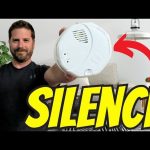
Your hardwired smoke detector is your silent guardian, always ready to alert you in case of fire. But when was the last time you cleaned it?
Dust and dirt can build up, making your detector less effective or causing false alarms. Knowing how to clean your hardwired smoke detector properly can keep it working perfectly and protect your home and loved ones. You’ll discover simple, step-by-step tips to clean your smoke detector safely and efficiently.
Keep reading to ensure your safety device stays in top shape—you won’t want to miss these essential tips!
Why Clean Hardwired Smoke Detectors
Keeping hardwired smoke detectors clean is very important for safety. Dirt and dust can block sensors, making detectors less effective. Clean detectors work better and help protect your home and family. Understanding why cleaning is necessary helps maintain their performance.
Importance Of Regular Cleaning
Regular cleaning keeps smoke detectors working well. Dust and dirt can reduce their ability to sense smoke. Clean detectors respond faster to smoke, giving more time to react. Cleaning also prevents false alarms caused by dust buildup. It helps extend the life of the device.
Risks Of Dust And Debris Build-up
Dust and debris can block smoke from reaching sensors. This delay can cause detectors to fail during a fire. Small insects or cobwebs can also interfere with detector function. Build-up increases the chance of false alarms, causing unnecessary stress. Regular cleaning removes these risks and keeps detectors reliable.

Credit: www.firstalert.com
Tools Needed For Cleaning
Cleaning a hardwired smoke detector requires specific tools. These tools help you clean safely and effectively. Having the right equipment makes the job faster and better. Prepare your tools before starting the cleaning process.
Essential Cleaning Supplies
- Soft brush or microfiber cloth to remove dust
- Vacuum cleaner with a soft brush attachment
- Compressed air can to blow out debris
- Mild detergent for stubborn dirt
- Small screwdriver to open the detector cover
Safety Equipment
- Insulated gloves to protect from electric shock
- Safety goggles to keep dust out of your eyes
- Step ladder for reaching ceiling-mounted detectors
- Dust mask to avoid inhaling dust particles
- Non-contact voltage tester to ensure power is off
Preparing For Cleaning
Preparing to clean a hardwired smoke detector is essential for safety and effectiveness. Before starting, you must take careful steps to avoid accidents and damage. Proper preparation ensures a smooth cleaning process and keeps your home safe.
Turning Off Power Safely
First, turn off the power to the smoke detector. Locate your home’s circuit breaker panel. Find the switch that controls the smoke detector’s power. Flip the switch to the off position. This stops electricity flow and prevents shocks. Test the smoke detector to ensure it is off. Press the test button; no sound means the power is off. Never clean the detector without cutting the power.
Gathering Materials
Collect all materials before you begin cleaning. You will need a soft cloth or a microfiber cloth. A vacuum cleaner with a brush attachment helps remove dust. Use a small, soft brush for tight spaces. Avoid water or strong cleaners that can damage the detector. Having materials ready saves time and keeps the cleaning process safe.
Step-by-step Cleaning Process
Cleaning a hardwired smoke detector is important for safety. Dust and dirt can stop it from working well. Follow these clear steps to clean your detector carefully. Take your time and be gentle.
Removing The Detector Cover
Turn off the power to the smoke detector first. This stops any electrical accidents. Use a ladder to reach the detector safely. Twist or unclip the cover carefully. Put the cover and screws in a safe place.
Cleaning The Sensor And Interior
Use a soft brush or a vacuum cleaner with a brush attachment. Gently remove dust and dirt inside the detector. Avoid using water or cleaning sprays. Clean the sensor area with care. Dust can block the sensor and cause false alarms.
Reassembling The Detector
Put the cover back on the detector. Make sure it fits tightly and correctly. Turn the power back on at the circuit breaker. Test the detector by pressing the test button. This checks if it works after cleaning.
Testing The Smoke Detector
Testing your hardwired smoke detector is a key step to ensure it works properly. Regular tests help keep your home safe from fire risks. This part of cleaning involves checking the power and running simple tests.
Powering On
First, check the power supply to the smoke detector. Make sure the unit is connected to your home’s electrical system. Look for a green light or other indicator showing it has power. If there is no light, check your circuit breaker or fuse box. Without power, the smoke detector cannot function.
Running Functionality Tests
Press the test button on the smoke detector. Hold it for a few seconds. You should hear a loud alarm sound. This confirms the detector is working correctly. If you hear no sound, try replacing the backup battery. Test the alarm again. If it still fails, consider calling a professional for help.

Credit: www.firstalert.com
Maintenance Tips For Longevity
Proper maintenance is key to keeping your hardwired smoke detector working well. Clean detectors respond faster and protect your home better. Simple care steps extend their life and save you money.
Dust and dirt can block sensors. Regular cleaning avoids false alarms and failures. Check your detectors often to catch problems early. A little effort goes a long way in safety.
Recommended Cleaning Frequency
Clean your smoke detector every six months. Use a soft brush or vacuum to remove dust. Avoid spraying water or cleaners directly on it. More frequent checks help in dusty or smoky areas.
Test the alarm monthly to ensure it works. Replace batteries if the detector has a backup power source. Keep vents and nearby areas free of clutter and dust.
Signs Of Replacement
Smoke detectors do not last forever. Replace them every 10 years or as the manual says. Look for yellowing plastic or frequent false alarms. These signs mean the sensor is weak or damaged.
Failure to sound during tests also means replacement is needed. A fresh smoke detector is crucial for your family’s safety. Don’t wait until it stops working completely.
Common Mistakes To Avoid
Cleaning a hardwired smoke detector is important for safety. Many people make mistakes that can damage the device or cause it to fail. Avoiding these errors keeps your home safe and your detector working well.
Using Harsh Chemicals
Harsh chemicals can harm the smoke detector’s sensors. Avoid sprays, bleach, or strong cleaners. Use a soft cloth or a vacuum cleaner with a brush attachment instead. Gentle cleaning keeps the device safe and functional.
Ignoring Power Safety
Hardwired smoke detectors connect to your home’s power. Always turn off the power before cleaning. Failing to do this can cause electric shock or damage. Use a ladder carefully and handle the detector gently.

Credit: www.youtube.com
Frequently Asked Questions
How Often Should I Clean A Hardwired Smoke Detector?
Clean your hardwired smoke detector every six months. Regular cleaning prevents dust buildup, ensuring the device works effectively and alerts you in emergencies.
What Tools Are Needed To Clean Smoke Detectors Safely?
Use a soft brush, vacuum with a brush attachment, and a dry cloth. Avoid water or harsh chemicals to prevent damage to the smoke detector.
Can I Clean A Smoke Detector Without Disconnecting Power?
It’s safest to turn off the power before cleaning. This prevents accidental alarms and electrical hazards while you clean the device carefully.
How Do I Remove Dust From Hardwired Smoke Detectors?
Gently vacuum the detector’s exterior and use a soft brush to clear dust inside. Avoid pressing buttons or using water during cleaning.
Conclusion
Cleaning your hardwired smoke detector keeps your home safe and sound. Dust and dirt can block sensors and cause false alarms. Regularly wipe the detector with a soft cloth and use a vacuum for hard-to-reach spots. Test the alarm after cleaning to ensure it works well.
Simple steps like these help your smoke detector stay reliable. Take a few minutes each month to protect your family. Safety starts with small, easy actions anyone can do. Keep your smoke detector clean and ready to alert you when needed.