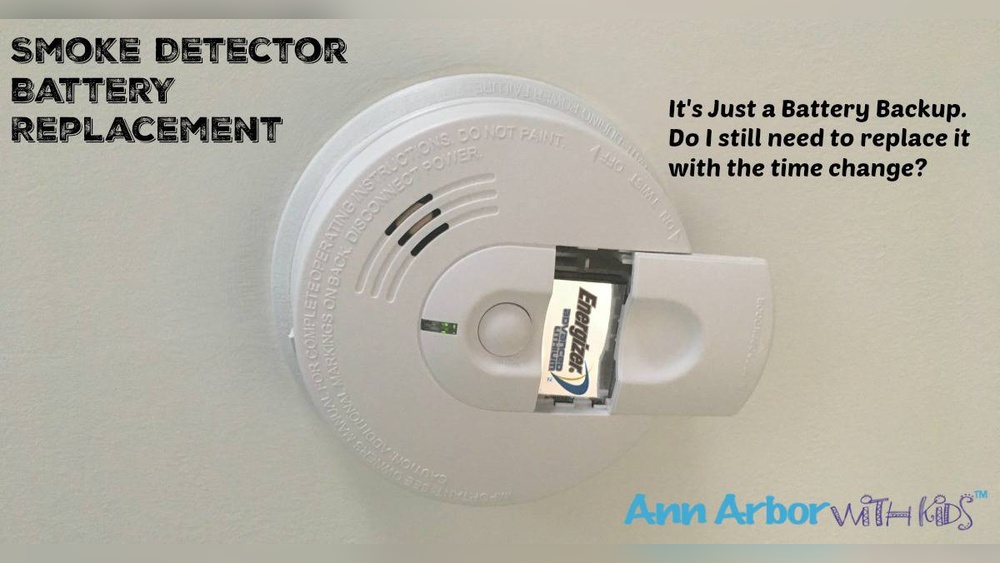

Your smoke detector is one of the most important devices in your home. It keeps you and your loved ones safe by warning you early in case of fire.
But how often should you change your smoke detector batteries to make sure it works when you need it most? If you’re unsure, you’re not alone. Many people forget this simple step, putting their safety at risk without even realizing it.
Keep reading to find out the best routine for changing your smoke detector batteries—and why it’s crucial for your peace of mind.

Credit: www.youtube.com
Importance Of Smoke Detector Batteries
Smoke detector batteries are a small but vital part of home safety. Without power, smoke detectors cannot alert you to danger. Changing batteries regularly keeps these devices working properly. This simple step can save lives and protect property.
Role In Fire Safety
Smoke detectors sense smoke and warn you early. Early warning gives time to escape or act fast. Batteries power the detector’s alarm and sensors. Dead batteries mean no alarm sound during a fire. Regular battery changes ensure the detector works every day and night.
Common Battery Types
Most smoke detectors use 9-volt or AA batteries. Some newer models have lithium or sealed batteries. Lithium batteries last longer but cost more. Always check the battery type in your detector. Use the recommended battery for best performance and safety.
Recommended Battery Replacement Frequency
Knowing how often to change smoke detector batteries is vital for home safety. Batteries power the detector to alert you in an emergency. Old or weak batteries may fail to work. Replacing batteries on time keeps your family safe.
Battery life varies by type and usage. Following recommended schedules helps avoid surprises. Let’s explore the standard guidelines and factors that affect battery life.
Standard Guidelines
Most experts say to change batteries once every year. Many smoke detectors have a built-in low battery warning. This beeps when it is time to replace the battery. Some newer models have sealed lithium batteries that last up to 10 years. For these, replace the entire unit after 10 years.
Change batteries during a specific day each year. For example, when you change clocks for daylight saving time. This creates a simple habit to keep detectors working well.
Factors Affecting Battery Life
Battery life depends on the type of battery used. Alkaline batteries usually last about one year. Lithium batteries can last longer but cost more. Frequent testing or alarms also drain batteries faster. Smoke detectors in humid or dusty areas may use batteries quicker. Extreme temperatures can reduce battery performance too.
Regular checks ensure the battery remains strong. Replace batteries sooner if the alarm sounds low battery chirps. Never ignore these warnings to keep your home protected.
Signs Your Batteries Need Changing
Smoke detectors save lives by warning you of fire. Their batteries need regular checks. Signs your batteries need changing are clear and easy to spot. Recognizing these signs helps keep your home safe. Pay close attention to any unusual sounds or issues.
Low Battery Chirps
A common sign is a soft chirping sound. This beep happens at regular intervals. It means the battery power is low. The sound is often annoying but important. Don’t ignore these chirps. They warn you to replace batteries soon.
Detector Performance Issues
Sometimes the detector may not work well. It might fail to sound during tests. The alarm could be weak or slow. These problems can mean low battery power. Check batteries if your detector acts strangely. Replace them to ensure proper function.
Best Practices For Battery Maintenance
Keeping your smoke detector batteries in good shape is very important. Proper battery care helps your alarm work correctly. It also keeps your home safe from fire risks. Follow these best practices to maintain your smoke detector batteries well.
Regular Testing
Test your smoke detector once a month. Press the test button until the alarm sounds. If the sound is weak or missing, replace the batteries. Regular testing ensures the detector is ready to warn you.
Using Quality Batteries
Choose high-quality batteries for your smoke detector. Cheap batteries may fail quickly or leak. Use batteries recommended by the smoke detector’s manufacturer. Quality batteries last longer and keep your home safe.
Upgrading To Long-life Batteries
Upgrading to long-life batteries in your smoke detectors can reduce how often you need to change them. These batteries last much longer than standard ones. This means fewer reminders and less hassle. It is a smart choice for better safety and convenience.
Benefits Of Lithium Batteries
Lithium batteries can last up to 10 years in smoke detectors. They work well in extreme temperatures, so they stay reliable. These batteries provide a steady power supply. This reduces false alarms caused by weak batteries. They also weigh less than regular batteries, making installation easier.
Cost Vs. Convenience
Lithium batteries cost more than alkaline batteries at first. The higher price can seem like a drawback. But, their long life means fewer replacements. This saves money over time on buying batteries. It also saves time and effort changing them often. For busy homes, the convenience often outweighs the cost.

Credit: www.youtube.com
Smoke Detector Replacement Timeline
Smoke detectors play a crucial role in home safety. They alert you to smoke and fire early. Knowing the replacement timeline is essential to keep them working well.
Smoke detectors do not last forever. Over time, their sensors and batteries lose effectiveness. Replacing them on time keeps your home safe.
When To Replace The Unit
Most smoke detectors last about 10 years. After that, they may not detect smoke properly. Check the manufacture date on your unit. Replace it if it is older than 10 years. Some models beep or flash to signal it’s time to replace.
Replace the whole unit, not just the battery. New detectors have better technology. This ensures early warning in case of fire.
Signs Of Wear And Tear
Listen for unusual sounds like constant chirping. This can mean a faulty battery or device. Dust and dirt buildup can block sensors. Clean your detector regularly to avoid this.
Physical damage such as cracks or discoloration is a warning. These signs mean the detector may fail soon. Replace damaged units immediately for safety.
Safety Tips For Battery Handling
Handling smoke detector batteries with care keeps your home safe. Poor battery care can cause damage or reduce your detector’s lifespan. Follow these safety tips to protect yourself and your smoke detector.
Proper Disposal
Dispose of old batteries in designated recycling bins. Do not throw batteries in the trash. Batteries contain harmful chemicals that can pollute the environment. Many stores and community centers offer battery recycling services. Check local rules for battery disposal to stay safe.
Avoiding Battery Corrosion
Corrosion can damage your smoke detector and stop it from working. Always install fresh, clean batteries. Avoid mixing old and new batteries together. Remove batteries if you will not use the detector for a long time. Clean battery contacts with a dry cloth before inserting new batteries.

Credit: mammothsecurity.com
Frequently Asked Questions
How Often Should Smoke Detector Batteries Be Replaced?
Smoke detector batteries should be replaced at least once a year. Regular replacement ensures reliable operation and safety. Some recommend changing batteries every six months for extra caution. Always test detectors monthly to confirm they work properly.
What Are Signs My Smoke Detector Battery Is Low?
A low battery often causes a periodic chirping sound. This warning beep alerts you to replace the battery soon. Ignoring it can lead to detector failure. Replace batteries immediately when you hear these beeps to maintain safety.
Can I Use Rechargeable Batteries In Smoke Detectors?
Rechargeable batteries can be used but may not last as long. They require frequent charging and might fail during power outages. Alkaline batteries are preferred for reliability and longevity. Always check manufacturer recommendations before using rechargeable batteries.
Is It Safe To Leave Smoke Detector Batteries In Year-round?
It’s safe if the batteries are fresh and working well. However, replacing batteries yearly prevents unexpected power loss. Old batteries can corrode and damage the detector. Regular replacement guarantees consistent fire detection and safety.
Conclusion
Changing smoke detector batteries every six months keeps your home safe. Test your alarms monthly to ensure they work well. Replace batteries immediately if you hear a low battery beep. Don’t wait until the battery dies completely. Proper maintenance helps protect your family from fire hazards.
Regular checks give peace of mind day and night. Simple steps can save lives. Stay alert, stay safe.