
When was the last time you changed the batteries in your smoke detectors? You might think it’s not a big deal, but this small task can be the difference between safety and danger in your home.
Knowing how often to replace those batteries can give you peace of mind and protect your loved ones from unexpected fire hazards. You’ll discover the simple, effective routine to keep your smoke detectors working perfectly—so you never have to worry about a silent alarm when it matters most.
Keep reading to learn exactly when and how to change those batteries the right way.
Importance Of Regular Battery Replacement
Smoke detectors save lives by alerting you to fire dangers early. Their batteries power this critical safety tool. Regular battery replacement keeps smoke detectors working well. Old batteries can fail without warning. This puts your home and family at risk.
Changing batteries often ensures the alarm sounds at the right time. It helps avoid silent failures when smoke is present. Regular checks and replacements build a safer home environment.
Preventing False Alarms
Weak batteries cause false alarms. These alarms waste energy and cause stress. Frequent battery changes reduce these annoying alerts. Your detector stays reliable and ready.
Ensuring Continuous Protection
Smoke detectors need constant power to work. Dead batteries stop the alarm from functioning. Regular replacement guarantees continuous protection. Your home stays guarded day and night.
Extending Smoke Detector Lifespan
Old batteries can damage the detector’s internal parts. This shortens the device’s life. Changing batteries regularly helps maintain its condition. It saves money by avoiding early replacements.

Credit: mammothsecurity.com
Signs Your Smoke Detector Needs New Batteries
Smoke detectors keep homes safe by warning about fire. Batteries power these devices. Knowing when to change batteries is key. Some signs show the batteries are low.
Recognizing these signs helps avoid silent alarms. It ensures smoke detectors work when needed most.
Low Battery Chirping Sound
A sharp chirp every minute or so means batteries are weak. This sound is the detector’s way to alert you. Do not ignore this noise. It signals time to replace the batteries quickly.
Faded Or No Indicator Light
Smoke detectors have a small light that blinks often. This light shows the detector is working. If the light stops blinking or dims, batteries might be dying. Check and change batteries to keep the detector active.
Detector Fails Regular Test
Press the test button on your smoke detector monthly. If the alarm sounds weak or does not sound, batteries may be dead. Replace batteries immediately to maintain safety.
Detector Is Older Than 10 Years
Smoke detectors last about ten years. Old detectors may need new batteries more often. Consider replacing the whole detector if it is very old. New detectors work better and keep your home safer.
Recommended Battery Replacement Frequency
Knowing the right time to change smoke detector batteries is vital for safety. Regular battery replacement keeps your home protected from fire risks. Follow clear guidelines to avoid battery failure during emergencies.
Standard Guidelines
Replace smoke detector batteries at least once every year. Many experts suggest changing batteries during daylight saving time. Some newer models have long-life batteries that last up to 10 years. Always check your smoke detector’s manual for specific advice. Do not wait for the low battery beep to change batteries.
Factors Affecting Battery Life
Battery life can vary by brand and usage. Frequent testing or alarms can drain batteries faster. Extreme temperatures, like very hot or cold places, reduce battery life. The type of battery also matters—alkaline batteries usually last longer. Regular cleaning of detectors helps maintain battery efficiency.
Types Of Batteries For Smoke Detectors
Choosing the right battery for your smoke detector matters. Different types of batteries offer varied performance and lifespan. Understanding these options helps keep your home safe. Here is a look at common battery types for smoke detectors.
Alkaline Vs. Lithium
Alkaline batteries are the most common choice. They are affordable and easy to find. These batteries usually last about one year in smoke detectors. Lithium batteries cost more but last longer. They can work for up to ten years in some models. Lithium batteries handle temperature changes better. This makes them a good option for places with varying climates.
Rechargeable Options
Rechargeable batteries reduce waste and save money over time. They need a special charger to recharge after use. These batteries may not last as long as lithium in smoke detectors. You must check if your smoke detector supports rechargeable batteries. Some models are designed only for single-use batteries. Rechargeables work well in homes where you can recharge often.
How To Replace Batteries Safely
Replacing smoke detector batteries keeps your home safe. Doing this task carefully prevents damage and ensures the alarm works well. Follow these simple steps and precautions to replace batteries safely and avoid problems.
Step-by-step Process
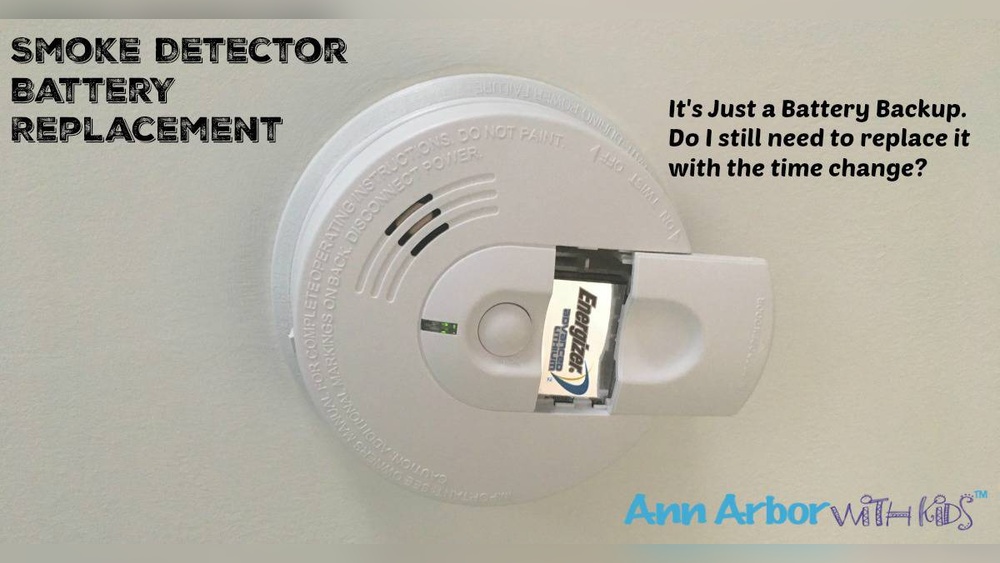
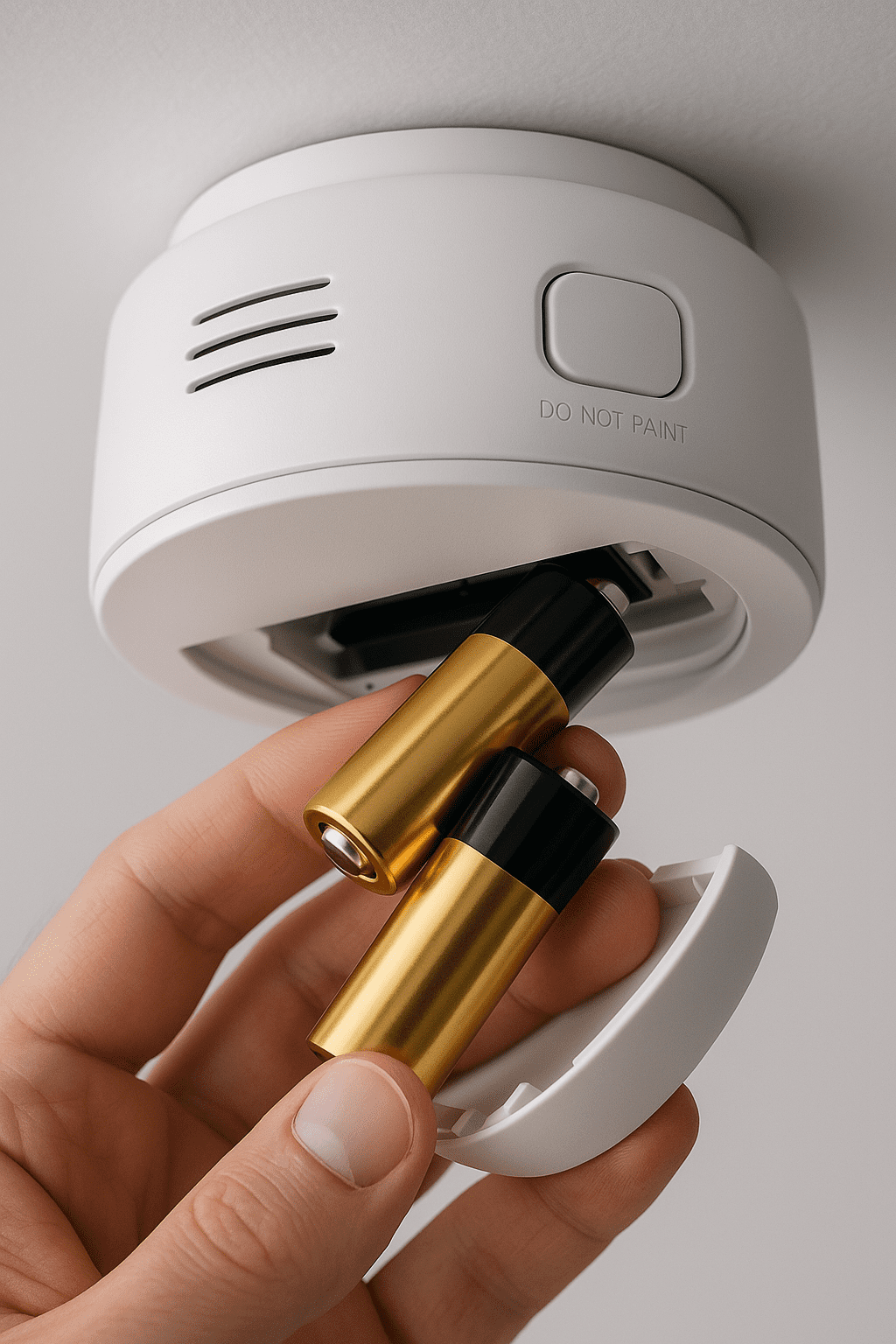
First, find the smoke detector and open its cover. Usually, you can twist or slide it open.
Next, remove the old batteries and put them aside. Use the correct type of new batteries as stated on the detector.
Insert the new batteries, matching the plus and minus signs correctly. This step is important for the device to work.
Close the cover tightly to secure the batteries inside. Test the alarm by pressing the test button. It should beep loudly.
Precautions To Take
Always turn off the smoke detector if possible before replacing batteries. Avoid touching the battery terminals with wet or dirty hands.
Do not mix old and new batteries or different battery brands. Dispose of old batteries properly to protect the environment.
Check the smoke detector’s condition for dust or damage while replacing batteries. Clean the device gently with a soft cloth if needed.
Credit: support.firstalert.com
Maintaining Your Smoke Detectors
Maintaining your smoke detectors is key to keeping your home safe. Proper care ensures they work well when you need them most. Simple habits can extend the life of your smoke detectors. This reduces the risk of failure during an emergency.
Regular attention helps you spot problems early. It also keeps the sensors clean and responsive. Follow easy steps to keep your smoke alarms in top shape.
Regular Testing
Test your smoke detectors every month. Press the test button until you hear the alarm sound. This confirms the battery and sensor work properly. If the alarm is weak or silent, replace the battery right away. Never ignore a failing test. It could cost lives.
Cleaning Tips
Dust and dirt can block smoke detectors. Clean them every six months with a soft brush or vacuum. Avoid using water or sprays. These can damage the device. Keep vents clear and free from obstacles. A clean detector responds faster to smoke.
Troubleshooting Common Battery Issues
Battery issues in smoke detectors often cause frustration and confusion. Knowing how to fix common problems helps keep your home safe. Simple checks can solve many battery-related troubles quickly.
False Alarms
Dead or weak batteries sometimes cause false alarms. The detector may beep or sound without smoke present. Try replacing the battery with a new, fresh one. Check that the battery fits tightly in the compartment. Dust or dirt inside the detector can also cause false alarms. Clean the device gently with a soft brush or cloth.
No Power Alerts
Smoke detectors use a low battery warning sound to alert you. If the alarm does not beep when the battery dies, test the device regularly. Press the test button once a month to check power. Replace batteries at least once a year or after a warning beep. Use the recommended battery type for your detector model. Ensure the battery contacts inside the detector are clean and not corroded.
Credit: www.cunninghamsecurity.com
When To Replace The Entire Smoke Detector
Smoke detectors save lives by warning about fires early. Changing batteries is important, but replacing the entire smoke detector matters too. Knowing when to do this keeps your home safe.
Smoke detectors do not last forever. Over time, their sensors wear out. Dust and dirt can also block their ability to detect smoke. A detector might still beep, but it may not work well.
Signs Your Smoke Detector Needs Replacement
If your smoke detector beeps even after a new battery, it may be time to replace it. Another sign is if the detector is over 10 years old. This is the usual lifespan for most models.
How To Check The Age Of Your Smoke Detector
Look at the back of the smoke detector. The date of manufacture is often printed there. If you cannot find the date, check your purchase records or manual.
Risks Of Using Old Smoke Detectors
Old smoke detectors may not alert you in time. They can fail silently, giving a false sense of safety. Regular replacement lowers the risk of fire damage and injury.
Best Practices For Replacing Smoke Detectors
Replace all smoke detectors in your home at the same time. Test them monthly after installation. Follow the manufacturer’s instructions for proper disposal of old units.
Frequently Asked Questions
How Often Should Smoke Detector Batteries Be Replaced?
Smoke detector batteries should be replaced at least once a year. Regular replacement ensures reliable detection and safety. Some models recommend changing batteries every six months for added security. Always follow manufacturer guidelines to maintain optimal performance and prevent false alarms or failures.
What Are Signs Of A Dying Smoke Detector Battery?
A dying smoke detector battery often causes chirping sounds or low battery alerts. The detector may also fail to test properly or show dim indicator lights. Promptly replacing the battery ensures continuous protection and avoids potential safety risks in your home.
Can I Use Rechargeable Batteries In Smoke Detectors?
Yes, rechargeable batteries can be used if compatible with your smoke detector. However, ensure they maintain adequate voltage and capacity to avoid false alarms. Always check manufacturer recommendations before using rechargeable batteries to guarantee reliable operation and safety.
Why Is Regular Battery Replacement In Smoke Detectors Important?
Regular battery replacement prevents detector failure during emergencies. It ensures the alarm functions properly, providing early fire warnings. Timely replacement reduces false alarms and extends device lifespan. Maintaining fresh batteries is crucial for your family’s safety and peace of mind.
Conclusion
Regularly changing smoke detector batteries keeps your home safe. Test alarms monthly to ensure they work well. Replace batteries at least once every year. Use fresh batteries even if alarms seem fine. A working smoke detector saves lives in emergencies.
Stay safe by making battery checks a habit. Don’t wait for a low battery beep to act. Simple steps protect your family from fire dangers. Stay alert, stay protected.