
Have you ever wondered how long your smoke detector really lasts? You might think it’s something you only need to worry about when it stops beeping.
But knowing the lifespan of your smoke detector can keep you and your loved ones safe. If your detector is too old, it might not warn you in time during an emergency. You’ll discover exactly how long your smoke detector should last, when to replace it, and simple tips to keep it working perfectly.
Keep reading—your safety depends on it.
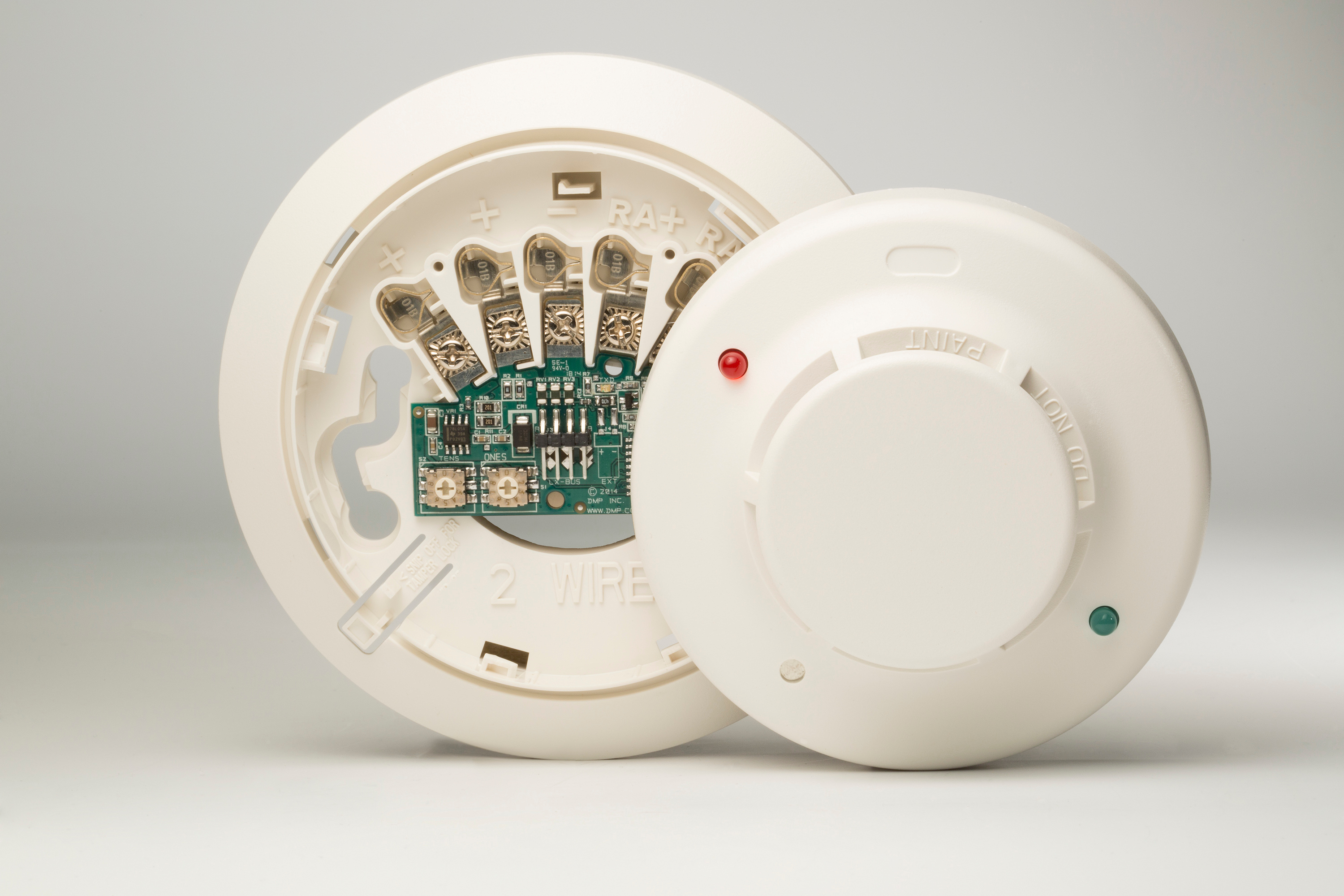
Credit: protechsecurity.com
Smoke Detector Lifespan
Smoke detectors protect homes and save lives. Knowing their lifespan helps keep safety in check. Smoke detectors do not last forever. They need replacement to work properly.
Understanding how long they last helps avoid risks. It ensures your home stays safe from fire hazards.
Average Durability Span
Most smoke detectors last about 8 to 10 years. Some models may last slightly longer or shorter. After this time, sensors wear out and become less effective. Old detectors might not detect smoke quickly. Changing them on time keeps your home safe.
Factors Affecting Longevity
Heat, dust, and humidity reduce smoke detector life. High temperatures can damage sensors faster. Dust buildup blocks sensor functions. High moisture causes corrosion inside the device. Frequent false alarms can also signal sensor issues. Regular cleaning helps extend lifespan. Replace detectors if they show signs of failure.

Credit: forbel.com
Types Of Smoke Detectors
Smoke detectors are essential for home safety. Different types detect smoke in unique ways. Knowing the types helps you choose the right one for your home.
Ionization Smoke Alarms
Ionization alarms detect fast, flaming fires. They use a small amount of radioactive material to sense smoke. These alarms react quickly to tiny smoke particles. They are good for kitchens and living rooms. Ionization alarms can sometimes give false alarms from cooking smoke.
Photoelectric Smoke Alarms
Photoelectric alarms spot slow, smoldering fires. They use a light beam inside the alarm to detect smoke. When smoke blocks the light, the alarm sounds. These alarms work well in bedrooms and near sleeping areas. They cause fewer false alarms from cooking or steam.
Dual-sensor Models
Dual-sensor alarms combine ionization and photoelectric technology. They detect both fast and slow fires. These models offer better protection for your home. Dual-sensor alarms tend to be more expensive. They provide the most complete smoke detection coverage.
Signs Of Wear And Aging
Smoke detectors protect your home and family from fire dangers. Over time, these devices lose their effectiveness. Recognizing signs of wear and aging can help you know when to replace them.
Older smoke detectors may not work as well. They might miss smoke or trigger alarms too often. Physical damage can also reduce their reliability. Paying attention to these signs keeps your home safe.
Decreased Sensitivity
Smoke detectors lose sensitivity as they age. They may not detect smoke quickly. This delay can be dangerous during a fire. Test your alarm regularly to check if it still reacts fast.
False Alarms Frequency
Frequent false alarms suggest a problem. Dust, insects, or old sensors cause these false alerts. Constant false alarms can make you ignore real dangers. Clean your detector and replace it if false alarms continue.
Physical Damage Indicators
Look for cracks, discoloration, or broken parts. These signs show the detector is worn out. Damaged detectors may not function properly. Replace any smoke detector with visible damage immediately.
Maintenance Tips
Maintaining your smoke detector is key to its long life and reliable performance. Regular care ensures it works well when you need it most. Simple actions can keep your home safer every day.
Regular Testing
Test your smoke detector once a month. Press the test button until the alarm sounds. This check confirms the device is working properly. Don’t ignore this small but important step.
Cleaning Procedures
Dust and dirt can block the sensor and stop the alarm. Use a soft brush or vacuum cleaner to remove dust gently. Clean the outside and vents carefully to avoid damage. Keep it free from cobwebs and debris.
Battery Replacement
Change batteries at least once a year. Some models beep to warn low battery. Use fresh batteries to avoid false alarms. Never reuse old batteries or skip this step.
Replacement Guidelines
Knowing when to replace your smoke detector is vital for home safety. Smoke detectors do not last forever. Following clear replacement guidelines keeps your home protected.
Manufacturer Recommendations
Check the user manual for each smoke detector. Most manufacturers advise replacing detectors every 10 years. Some models might have shorter or longer lifespans. Always follow the specific advice for your device.
When To Upgrade
Replace smoke detectors if they beep irregularly or fail tests. Old detectors may not sense smoke well. Upgrade immediately if your detector is damaged or outdated. Newer models offer better technology and reliability.
Disposal Methods
Dispose of old smoke detectors properly. Many contain small amounts of radioactive material. Contact your local waste facility for safe disposal instructions. Avoid throwing detectors in regular trash bins.
Credit: support.firstalert.com
Safety Benefits Of Timely Replacement
Replacing smoke detectors on time brings important safety benefits. Old detectors may not work well. This can put your home and family at risk. Timely replacement ensures your smoke detector stays reliable. It helps keep your home safe from fire hazards.
Improved Fire Detection
New smoke detectors respond faster to smoke and fire. They use updated technology for better detection. This quick response can save lives. Early warning gives more time to escape danger. Timely replacement means your detector is always ready.
Avoiding Malfunctions
Old smoke detectors often fail without warning. Batteries lose power, sensors wear out. This can cause false alarms or no alarms at all. Replacing detectors reduces the chance of failure. Your safety depends on a device that works correctly.
Protecting Your Home
Smoke detectors protect your property from fire damage. Quick alerts help stop fires early. This limits damage to your home and belongings. New detectors work better and last longer. Changing them on time keeps your home safer.
Frequently Asked Questions
How Long Do Smoke Detectors Typically Last?
Smoke detectors usually last between 8 to 10 years. After this period, their sensors may become less reliable. Regular replacement ensures optimal safety and performance.
When Should I Replace My Smoke Detector Battery?
Replace the battery at least once a year or when the low-battery alarm sounds. Some models have sealed batteries lasting up to 10 years. Regular checks keep your detector functional.
Can Smoke Detectors Expire Or Go Bad?
Yes, smoke detectors can expire after 8-10 years due to sensor degradation. Expired detectors may fail to detect smoke effectively. Timely replacement is crucial for fire safety.
How Can I Test If My Smoke Detector Works?
Press the test button on your smoke detector monthly. A loud alarm indicates proper function. If silent or weak, replace the battery or the entire unit.
Conclusion
Smoke detectors usually last about 8 to 10 years. Replace them after this time to stay safe. Test your smoke detector monthly to ensure it works. Change batteries at least once a year or when low. Never ignore the warning signs of an old detector.
A working smoke detector can save lives in emergencies. Keep your home safe by maintaining your detectors well. Small steps like these protect your family every day. Don’t wait until it’s too late—act now. Safety is simple with regular care and attention.