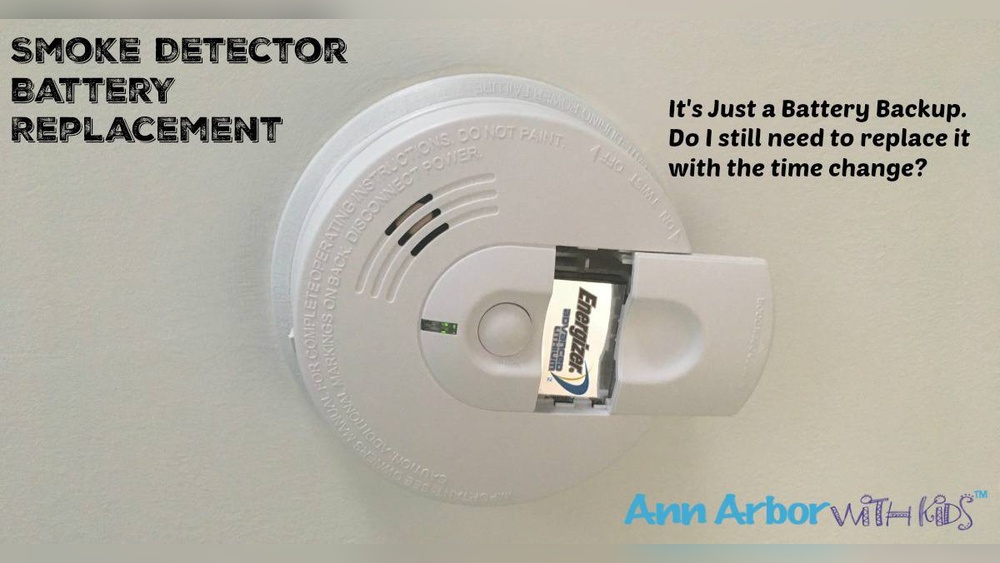

Have you ever wondered how long your smoke detector’s batteries really last? You might assume they last forever or only need changing when the alarm starts beeping.
But knowing the truth about battery life can keep you and your loved ones safer. You’ll discover exactly how long those batteries should last, signs they need replacing, and simple tips to make sure your smoke detector never fails when you need it most.
Keep reading to protect your home and gain peace of mind.
Battery Types In Smoke Detectors
Smoke detectors rely on batteries to keep your home safe. Different types of batteries offer different lifespans and reliability. Knowing the battery type helps you choose the best option for your smoke detector. This section explains the main battery types used in smoke detectors.
Alkaline Batteries
Alkaline batteries are common and easy to find. They usually last about one year in smoke detectors. These batteries are inexpensive but need regular replacement. They work well in most smoke detectors. Keep extra alkaline batteries at home for quick changes.
Lithium Batteries
Lithium batteries last much longer than alkaline ones. They can power smoke detectors for up to 10 years. These batteries are more expensive but save time and effort. Lithium batteries handle temperature changes better. Many newer smoke detectors come with lithium batteries built-in.
Rechargeable Options
Rechargeable batteries can be used in some smoke detectors. They reduce waste and save money over time. These batteries need a charger and regular recharging. Not all smoke detectors support rechargeable batteries. Check the device manual before using them.
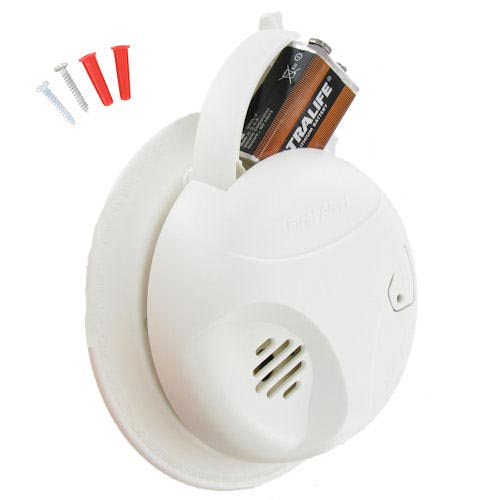
Credit: www.firstalertstore.com
Typical Battery Lifespan
Knowing the typical battery lifespan helps keep your home safe. Smoke detectors need working batteries to alert you in an emergency. Batteries do not last forever. They need replacement to ensure proper function. Lifespan varies by the type of smoke detector. Understanding these differences helps you plan battery changes.
Standard Smoke Detectors
Standard smoke detectors usually use 9-volt batteries. These batteries last about 6 to 12 months. The exact time depends on usage and battery quality. Battery alerts beep when power runs low. Replace batteries right after you hear this sound. Regular testing keeps these devices reliable.
Long-life Models
Long-life smoke detectors use lithium batteries. These batteries last up to 10 years. They offer convenience by reducing battery changes. The whole unit may need replacement after battery life ends. This type is common in newer homes. They are costlier but require less maintenance.
Hardwired Smoke Detectors
Hardwired smoke detectors connect to home electricity. They usually have a backup battery. Backup batteries last about 6 months to 1 year. They power the detector during power outages. Check and replace backup batteries regularly. This ensures your detector works all the time.
Factors Affecting Battery Life
Battery life in smoke detectors depends on several factors. These factors affect how long the battery can power the device. Understanding them helps in maintaining safety and avoiding sudden battery failure.
Usage Frequency
Smoke detectors that beep often use more battery power. Frequent testing and alarms drain batteries faster. Detectors in busy homes may need battery changes more often.
Environmental Conditions
Extreme temperatures reduce battery life. Cold or hot places make batteries lose power quickly. Humidity and dust can also affect battery performance.
Quality Of Batteries
High-quality batteries last longer than cheap ones. Some brands offer more reliable power for smoke detectors. Using the right battery type ensures better performance and safety.
Signs Of Low Battery
Knowing the signs of a low battery in your smoke detector is important. It helps you replace batteries on time. This keeps your home safe. Smoke detectors warn you early about fire risks. If the battery is low, the device may not work properly. Watch for these key signs to stay protected.
Chirping Sounds
A common sign of low battery is a chirping noise. This sound happens at regular intervals. It is often short and sharp. The chirp alerts you that the battery is dying. Ignoring this sound can risk your safety. Replace the battery as soon as you hear it.
Reduced Sensitivity
Low batteries can make the detector less sensitive. It might not sense smoke quickly. This delay can be dangerous during a fire. Test your smoke detector monthly to check its sensitivity. A weak alarm needs a battery change right away.
False Alarms
Batteries running low may cause false alarms. The detector might beep or ring without smoke. These false alarms are annoying and confusing. They happen because the battery cannot power the unit correctly. Replace the battery to stop false alarms and keep the alarm reliable.
Replacing Smoke Detector Batteries
Replacing smoke detector batteries is essential for home safety. Dead batteries can make alarms fail during emergencies. Regular battery changes keep detectors working well. It ensures you and your family stay protected.
Recommended Replacement Schedule
Change smoke detector batteries at least once every year. Some experts suggest doing it twice a year. A good time is during daylight saving time changes. Check the battery status monthly to avoid surprises.
Step-by-step Replacement Guide
First, turn off the alarm to avoid false alerts. Remove the smoke detector from its base carefully. Open the battery compartment and take out old batteries. Insert new batteries, matching the correct polarity. Close the compartment and reattach the detector. Press the test button to ensure it works properly.
Disposal Of Old Batteries
Do not throw old batteries in the trash. They contain harmful chemicals that can pollute the environment. Take old batteries to a recycling center or a hazardous waste facility. Some stores also offer battery recycling services. Proper disposal helps protect the planet and keeps communities safe.
Maintaining Smoke Detector Performance
Smoke detectors save lives by warning of fire early. Their performance depends on proper care and maintenance. Regular checks and cleaning keep them ready to protect your home. Batteries need attention too. Old or weak batteries can fail during emergencies. Follow these tips to keep your smoke detectors working well.
Regular Testing
Test smoke detectors once a month. Press the test button until the alarm sounds. This ensures the battery and alarm work properly. If the sound is weak or missing, replace the battery right away. Never ignore a silent smoke detector.
Cleaning Tips
Dust and dirt block smoke sensors and reduce alarm sensitivity. Use a vacuum with a soft brush to clean smoke detectors gently. Avoid spraying water or cleaners on the device. Clean at least twice a year to remove buildup and keep sensors clear.
Upgrading To New Models
Older smoke detectors may not work as well as new ones. Replace units every 10 years to ensure safety. New models have better technology and longer battery life. Choose detectors with sealed long-life batteries for less maintenance and reliable protection.
Battery Innovations And Trends
Battery technology in smoke detectors is evolving fast. These changes help make homes safer with less hassle. New designs focus on longer life and smarter use. Some detectors now even use clean energy. These trends reduce the need for frequent battery changes.
Smart Smoke Detectors
Smart smoke detectors connect to your phone. They send alerts if they detect smoke or low battery. This feature helps you respond quickly to danger. Many models also test themselves regularly. They warn you before the battery dies. This reduces false alarms and improves safety.
Solar-powered Options
Solar-powered smoke detectors use sunlight to charge. They often have a backup battery for night or cloudy days. This design cuts down on battery waste. It suits homes with good sunlight exposure. Solar options offer a greener choice for safety devices.
Battery Life Enhancements
New batteries last much longer than before. Some can power detectors for up to 10 years. This means fewer replacements and less worry. Improved battery chemistry reduces power loss over time. These enhancements make smoke detectors more reliable and cost-effective.
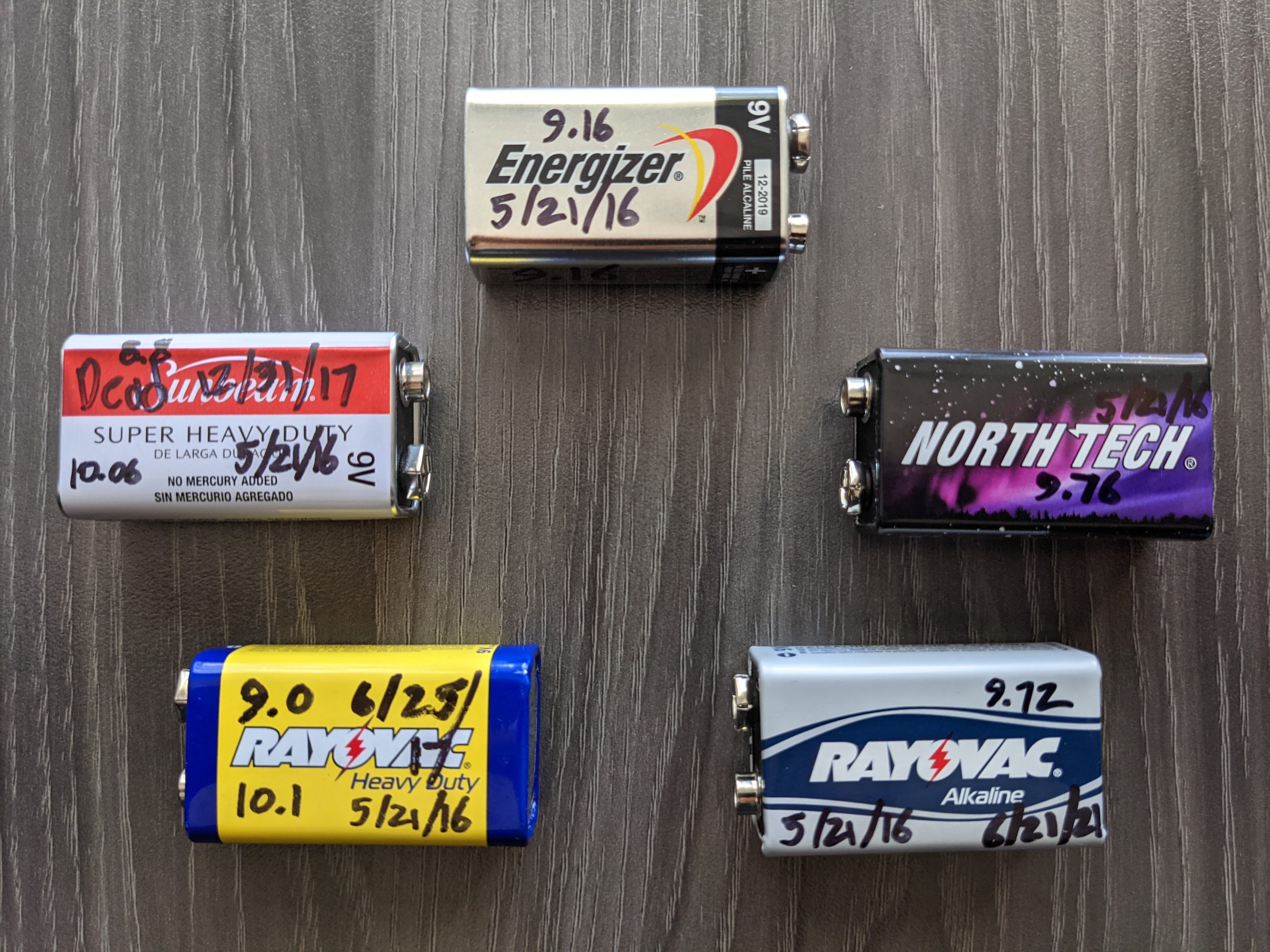
Credit: structuretech.com

Credit: www.x-sense.com
Frequently Asked Questions
How Long Do Smoke Detector Batteries Typically Last?
Smoke detector batteries usually last between 6 months to 1 year. The exact duration depends on battery type and detector usage. Regular testing and replacement ensure optimal safety. Lithium batteries tend to last longer than alkaline ones.
When Should I Replace Smoke Detector Batteries?
Replace smoke detector batteries at least once a year or when the low-battery warning sounds. Frequent testing helps identify battery life issues early. Always use the recommended battery type for your device.
Can Smoke Detector Batteries Last More Than 10 Years?
Standard smoke detector batteries do not last more than 10 years. However, some sealed lithium batteries in newer models can last up to 10 years. Always check manufacturer guidelines for specific battery lifespan details.
What Affects The Battery Life In Smoke Detectors?
Battery life depends on battery quality, detector type, and usage frequency. Frequent alarms and testing drain batteries faster. Environmental factors like humidity and temperature also impact battery longevity.
Conclusion
Smoke detector batteries usually last about one year. Check them every month to stay safe. Replace batteries right away if the alarm beeps. Using fresh batteries keeps your home protected. Don’t wait until the battery dies completely. Staying alert can save lives and property.
Keep your smoke detectors working well always. Simple steps make a big difference in safety. Regular care helps avoid dangerous surprises. Safety at home starts with small actions.