
Your smoke detector starts beeping, and suddenly, you’re stuck wondering how to turn it off quickly and safely. It’s annoying, right?
But ignoring it isn’t an option either—your safety depends on it. You might think it’s complicated, but with the right steps, you can silence that alarm without stress. Keep reading, and you’ll learn exactly what to do the next time your smoke detector won’t stop ringing.
This simple guide will save you time and keep your home safe.
Reasons For Smoke Detector Alarms
Smoke detectors alert you for several important reasons. They protect your home and family by warning you early about danger. Knowing why alarms sound helps you respond correctly and keep safe.
Smoke And Fire Detection
Smoke detectors sense smoke particles in the air. They alert you to fire before it spreads. This early warning can save lives and reduce damage. Smoke and fire alarms are the main reason these devices exist.
Low Battery Alerts
Smoke detectors need power to work well. They send alarms when batteries run low. This warning helps you replace batteries on time. A working battery keeps the detector ready to protect you.
Malfunction Warnings
Sometimes smoke detectors have errors or faults. They beep to show they need fixing. Malfunction warnings tell you the device may not work properly. Prompt attention keeps your smoke detector reliable.
Credit: www.netatmo.com
Tools You Might Need
Turning off a smoke detector often needs a few basic tools. These tools help you reach the detector safely and handle it properly. Having the right tools makes the task easier and quicker.
Ladder Or Step Stool
Smoke detectors usually sit on the ceiling. A ladder or step stool helps you reach them without stretching or jumping. Choose a sturdy ladder or stool to keep safe. Make sure it is tall enough to reach the detector easily.
Screwdriver
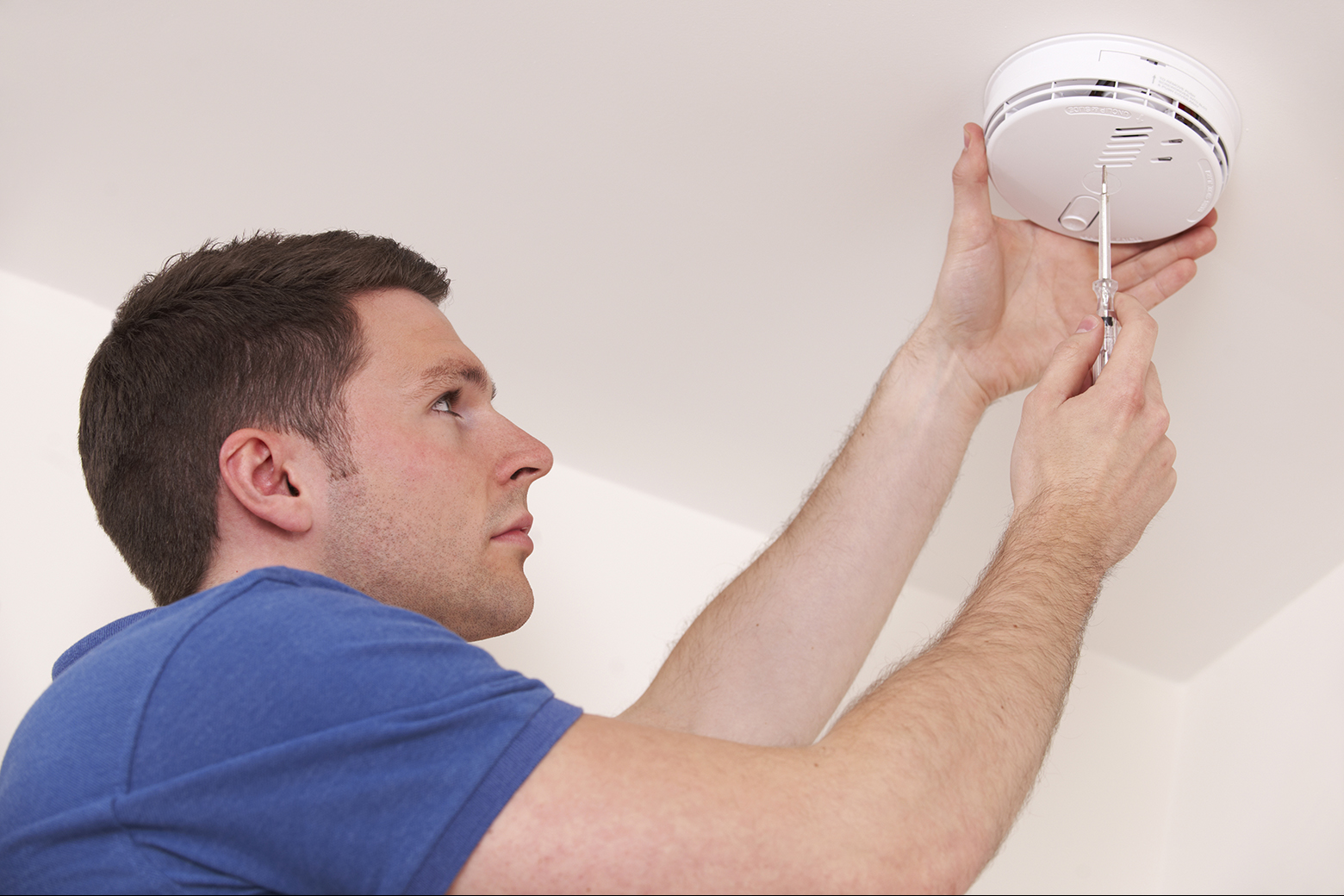
Many smoke detectors are fixed with screws. A screwdriver helps you open the cover or remove the detector. Use the right type of screwdriver, usually a flathead or Phillips. This tool is important for accessing the battery compartment or internal parts.
Replacement Batteries
Smoke detectors often beep when batteries run low. Keep new batteries ready to replace old ones. Use the battery type recommended by the manufacturer. Fresh batteries keep your smoke detector working well and stop annoying sounds.
Step-by-step To Silence Smoke Detector
Knowing how to silence a smoke detector can save you from annoying alarms. Smoke detectors help keep us safe by warning of smoke or fire. Sometimes, they beep for non-dangerous reasons. This guide walks you through steps to stop the alarm safely and quickly.
Locate The Smoke Detector
Find the smoke detector making the noise. Usually, it’s on the ceiling or high on a wall. Look for the device flashing a red light or beeping. In larger homes, check every room with a detector.
Identify The Alarm Cause
Check if there is smoke or fire nearby. Cooking smoke often triggers false alarms. Dust or steam can also set off the alarm. Make sure the area is safe before silencing the detector.
Press The Silence Button
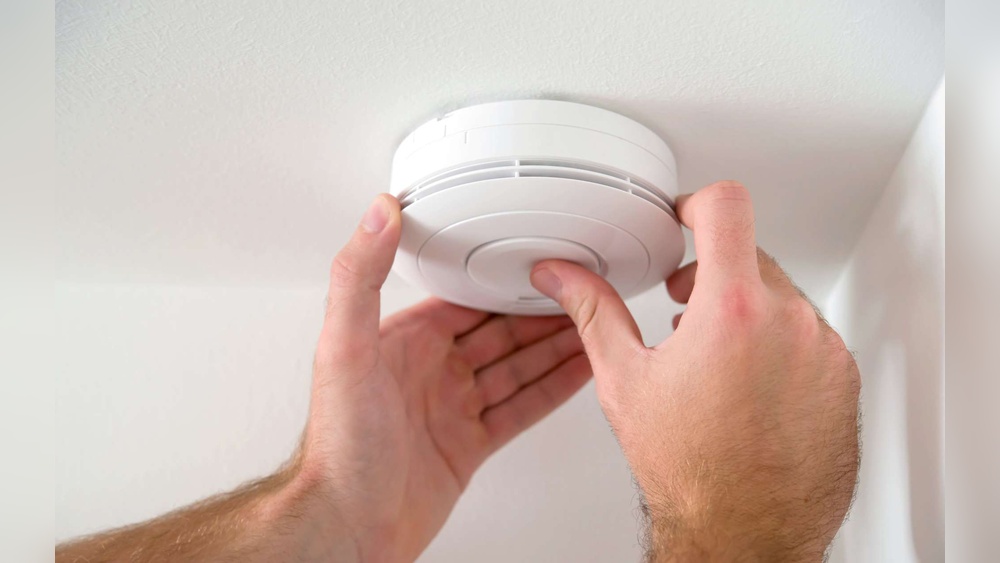
Press the silence or hush button on the detector. Most models have a clear button on the front. Hold it for a few seconds until the alarm stops. This temporarily pauses the sound for about 8 to 15 minutes.
Remove The Battery If Needed
If the alarm keeps beeping, remove the battery. Twist or slide off the detector from its base. Open the battery compartment and take out the battery. Wait a minute, then replace it to reset the device.

Credit: us.fotileglobal.com
Resetting The Smoke Detector
Resetting a smoke detector is often the best way to stop false alarms or clear errors. It helps the device return to normal operation. This process is simple and safe. It ensures your smoke detector works properly and keeps you safe.
Resetting usually involves cutting power and then restoring it. This can clear minor faults and reset the sensor. Follow these easy steps to reset your smoke detector correctly.
Power Cycle Method
First, turn off the power to the smoke detector. You can do this by removing the battery or switching off the circuit breaker. Wait for about 15 to 20 seconds. This pause lets the device fully power down. After the wait, put the battery back or turn on the breaker. The smoke detector will restart. It should stop any false alarms and be ready to detect smoke again.
Test After Reset
After resetting, test the smoke detector. Press the test button on the unit. The alarm should sound loud and clear. This shows the device is working properly. If it does not sound, check the battery or power source again. Testing confirms your safety and gives peace of mind.
Prevent False Alarms
False alarms from smoke detectors can be annoying and disturbing. They cause unnecessary stress and can make people ignore real warnings. Preventing these false alarms helps keep your home safe and peaceful.
Small steps make a big difference. Proper care and placement of your smoke detector reduce false alarms and keep it working well.
Proper Detector Placement
Place smoke detectors away from kitchens and bathrooms. Steam and cooking smoke often trigger false alarms. Avoid installing detectors near windows or vents where drafts can interfere. Position detectors on ceilings or high walls for best results.
Regular Cleaning
Dust and dirt can block sensors and cause false alarms. Clean your smoke detector gently with a vacuum or soft brush every few months. Do not use water or cleaning sprays. Keep the area around the detector free of dust and debris.
Battery Maintenance
Low batteries often cause chirping and false alarms. Change batteries at least once a year or when the detector signals low power. Use fresh, high-quality batteries. Test the detector monthly to ensure it works correctly.
When To Replace Your Smoke Detector
Knowing when to replace your smoke detector is crucial for safety. Smoke detectors do not last forever. Over time, their sensors and batteries lose effectiveness. Replacing them on time ensures your home stays protected. Here are key points to help you decide when to get a new smoke detector.
Signs Of Wear And Tear
Check for physical damage like cracks or missing parts. Dust and dirt buildup can block sensors. Frequent false alarms may signal a failing unit. A detector that beeps irregularly might need replacement. Yellowing plastic often means old age. These signs suggest it’s time to buy a new smoke detector.
Manufacturer Recommendations
Most manufacturers suggest replacing smoke detectors every 10 years. This guideline is based on sensor lifespan. Check the label or manual for exact dates. Some models have a built-in end-of-life warning. Follow these instructions to maintain safety. Ignoring them risks your protection against fire hazards.

Credit: www.wikihow.com
Frequently Asked Questions
How Do You Temporarily Silence A Smoke Detector?
To temporarily silence a smoke detector, press the “hush” or “silence” button on the unit. This stops the alarm for a few minutes, allowing smoke to clear without full battery removal or disconnection.
Can You Turn Off A Smoke Detector Without Removing Batteries?
Yes, many smoke detectors have a hush or silence button for temporary deactivation without battery removal. For permanent off, batteries or power must be removed carefully.
Why Does My Smoke Detector Keep Beeping After Turning Off?
Persistent beeping usually indicates low batteries or a sensor issue. Replace batteries first. If beeping continues, clean the detector or reset it as per the manual.
Is It Safe To Disable A Smoke Detector?
Disabling a smoke detector is unsafe and not recommended. It risks your safety by preventing early fire detection. Only silence briefly during false alarms.
Conclusion
Turning off a smoke detector safely is important for your home. Always check the cause of the alarm first. Press the silence button or remove the battery carefully. Avoid disabling the detector for too long. Keep your smoke detectors clean and working well.
Regular checks help protect you and your family. Stay safe by knowing how to manage alarms correctly. Simple steps keep your home secure and quiet. Remember, safety comes first in every situation.