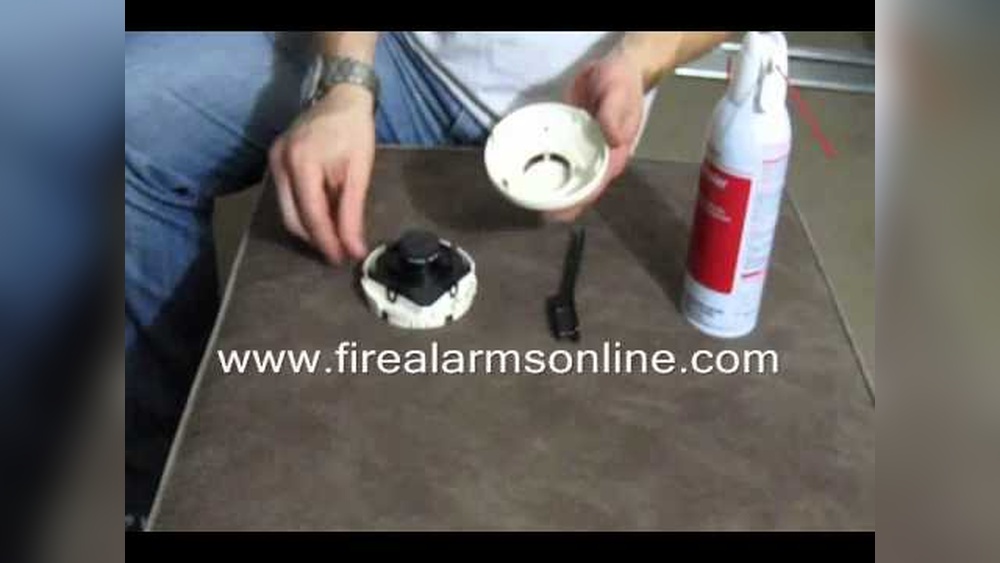

Your smoke detector is one of the most important safety devices in your home. But did you know that dust and dirt can stop it from working properly?
If you don’t clean it regularly, it might not warn you when you really need it. You’ll learn simple and effective ways to clean your smoke detector. Keep reading to make sure your home stays safe and your smoke detector stays ready to protect you.

Credit: www.detectorinspector.com.au
Why Clean Smoke Detectors
Cleaning smoke detectors is a small task with a big impact. These devices protect your home and family by alerting you to fire dangers. Dirt and dust can block sensors, making detectors less effective. Regular cleaning keeps them working properly and extends their life. Understanding why cleaning matters helps you keep your home safe.
Importance Of Maintenance
Smoke detectors need regular care to stay reliable. Dust and debris can build up inside over time. This buildup can stop sensors from detecting smoke quickly. Clean detectors respond faster to fires. Maintenance prevents false alarms and saves money on replacements. Simple cleaning every few months ensures your device works well.
Risks Of Dirty Detectors
Dirty smoke detectors may fail during emergencies. Dust can cause false alarms or silence alerts completely. Without a clear signal, fire can spread unnoticed. This risk endangers lives and property. Keeping detectors clean lowers the chance of failure. It helps your family stay safe in urgent moments.

Credit: www.youtube.com
Tools You’ll Need
Cleaning a smoke detector is simple when you have the right tools. Having the proper supplies makes the job safe and effective. It also helps you avoid damage to the device. Below are the basic tools you need for this task.
Basic Cleaning Supplies
You need a soft brush or a small vacuum cleaner with a brush attachment. These help remove dust and dirt gently. A can of compressed air works well for blowing out hard-to-reach spots. Use a clean cloth or microfiber towel to wipe the outer surface. Avoid using water or any liquid cleaners as they can damage the detector.
Safety Gear
Wear gloves to protect your hands from dust and germs. Safety goggles are a good idea to shield your eyes from dust particles. Use a sturdy step ladder to reach ceiling-mounted detectors safely. Make sure the ladder is stable and placed on a flat surface. Turn off power to the smoke detector before cleaning to avoid any electrical issues.
Preparing For Cleaning
Before cleaning a smoke detector, proper preparation is essential. It keeps the process safe and smooth. Taking a few simple steps helps protect you and the device. These steps prevent accidents and damage during cleaning.
Turning Off Power
Start by turning off the power to the smoke detector. Locate the circuit breaker or fuse box. Switch off the power that controls the detector. This action stops any risk of electric shock. It also avoids false alarms during cleaning. Confirm the power is off by testing the detector’s button. No sound means the power is safely off.
Removing The Detector
Next, carefully remove the smoke detector from its mounting. Most detectors twist or slide off easily. Use gentle force to avoid breaking the device. Hold the detector firmly while detaching it from the ceiling or wall. Remember to check the battery type before removal. Remove the batteries if possible to prevent damage. Place the device on a clean surface for cleaning.
Credit: cultrissecurity.com
Step-by-step Cleaning Process
Cleaning a smoke detector is important for safety and proper function. Dust and dirt can block sensors and stop the alarm from working well. Follow this simple step-by-step cleaning process to keep your smoke detector in good shape. Each step is easy and safe to do at home.
Dust Removal Techniques
Start by turning off the power to the smoke detector. Remove the cover carefully. Use a soft cloth to wipe off loose dust. Avoid shaking the detector. Dust can settle inside and cause problems. Keep the area clean and free of dust.
Cleaning With A Vacuum
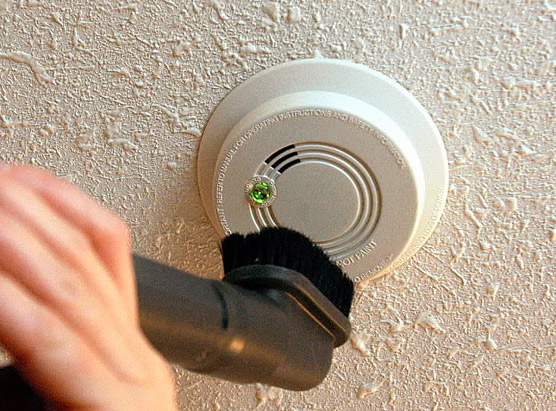
Use a vacuum cleaner with a soft brush attachment. Gently run it over the smoke detector’s surface. This removes dust from small openings. Do not press hard or use high suction. It protects the delicate parts inside the detector.
Using A Soft Brush
A small, soft brush helps clean hard-to-reach spots. Use a paintbrush or a clean makeup brush. Brush gently around the sensor and vents. Avoid using stiff brushes that might damage the device. This method helps remove trapped dust and dirt.
Wiping With A Damp Cloth
Moisten a cloth with water but do not soak it. Wipe the outside of the smoke detector carefully. Avoid getting water inside the device. Dry it well before putting the cover back. This cleans surface grime without harming the alarm.
Reinstalling The Detector
After cleaning a smoke detector, reinstalling it is the next important step. Proper reinstallation ensures the device works well and keeps your home safe. Follow simple steps to secure the detector and test its function.
Securing The Device
Place the smoke detector back on its mounting bracket. Align it carefully to fit the slots or screws. Twist or snap it firmly until it stays in place. Avoid forcing the device, as it can cause damage.
Check that the detector feels stable and does not wobble. A loose smoke detector may not detect smoke properly. Secure the device so it stays attached during normal movements or vibrations.
Testing Functionality
Press the test button on the smoke detector. Hold it for a few seconds until you hear a loud beep. This sound means the alarm works correctly. If no sound occurs, check the battery or connections.
Test the smoke detector regularly to ensure it stays functional. Replace batteries once a year or as needed. A working smoke detector is vital for home safety.
When To Replace Smoke Detectors
Knowing when to replace your smoke detector is important for home safety. Smoke detectors lose sensitivity over time. Regular checks help keep your home protected. Replacing old or faulty detectors ensures they work in an emergency.
Signs Of Wear
Look for yellowing or discoloration on the smoke detector. Cracks or physical damage also signal replacement time. Frequent false alarms or no alarms at all show the unit may fail. A chirping sound that won’t stop means the battery or detector needs changing.
Manufacturer’s Recommendations
Check the smoke detector’s manual for lifespan details. Most detectors last about 10 years. After this, sensors may not detect smoke well. Follow the manufacturer’s guide to replace the unit on time. Proper replacement keeps safety standards high and reliable.
Tips For Ongoing Maintenance
Keeping your smoke detector clean and well-maintained is important for safety. Dirt and dust can stop it from working properly. Follow simple steps to keep it in top condition. Regular care helps your detector respond quickly during emergencies.
Regular Cleaning Schedule
Set a routine to clean your smoke detector every three to six months. Use a soft brush or a vacuum cleaner with a soft brush attachment. Gently remove dust from the outside and inside vents. Avoid using water or harsh chemicals. Regular cleaning keeps sensors clear and working well.
Battery Replacement
Change the smoke detector battery at least once a year. Use the battery type recommended by the manufacturer. Test your smoke detector monthly by pressing the test button. Replace batteries immediately if the alarm beeps or chirps. Fresh batteries ensure your detector always stays active.
Frequently Asked Questions
How Often Should You Clean A Smoke Detector?
You should clean your smoke detector every six months. Regular cleaning removes dust and debris. This ensures proper sensor function. It also helps maintain safety in your home.
What Materials Do You Need To Clean Smoke Detectors?
Use a soft brush, vacuum cleaner, and a damp cloth. Avoid harsh chemicals or water inside the detector. These materials safely remove dust without damaging sensors or electronics.
Can You Clean Smoke Detectors Without Removing Them?
Yes, you can vacuum gently around the detector without removing it. Use a soft brush attachment. This method removes surface dust but deep cleaning requires removal.
How Do You Safely Remove A Smoke Detector For Cleaning?
Turn off power or remove batteries first. Twist or unclip the detector from its mounting base. Handle it carefully to avoid damaging internal components.
Conclusion
Cleaning a smoke detector keeps your home safer every day. Dust and dirt can stop it from working well. Regular cleaning helps the alarm stay loud and quick. Use a soft brush or vacuum to clear away grime. Test your detector after cleaning to make sure it works.
Small steps like this make a big difference in safety. Keep your family protected with simple care. Don’t forget to clean your smoke detector often. Safety starts with a clean, working alarm.